
La Derecha Diario logoLa Derecha Diario logo
ESX logoInstagram logoYouTube logoTikTok logoFacebook
ARGENTINAUNITED STATESECUADORISRAELMEXICODERECHA DIARIO TV
  • ES
    XInstagramYouTubeTikTokFacebook
  • DERECHA DIARIO TV
  • Sections
  • ARGENTINA
  • UNITED STATES
  • ECUADOR
  • ISRAEL
  • MEXICO
  • URUGUAY
  • Countries
  • La Derecha Diario logoLA DERECHA DIARIO
  • La Derecha Diario México logoLA DERECHA DIARIO MÉXICO
  • La Derecha Diario Uruguay logoLA DERECHA DIARIO URUGUAY
  • La Derecha Diario Ecuador logoLA DERECHA DIARIO ECUADOR
  • La Derecha Diario Israel logoLA DERECHA DIARIO ISRAEL
  • La Derecha Diario Estados Unidos logoLA DERECHA DIARIO ESTADOS UNIDOS
  • Topics
  • GUERRA EN IRÁN
  • The Newspaper
  • QUIENES SOMOS
  • AUTORES
  • PUBLICIDAD
  • DONAR

The Trump administration asks the Supreme Court to validate the no-bail detention of illegal immigrants

The Trump administration asks the Supreme Court to validate the no-bail detention of illegal immigrants
Imagen de Editorial Team
porEditorial Team
United States

Trump seeks Supreme Court approval for the mandatory detention of illegal immigrants to strengthen the enforcement of immigration laws

Add La Derecha Diario on
Share:

The Trump administration turned to the Supreme Court to defend its policy of mandatory detention of illegal immigrants who remain in the United States without having been formally admitted, even when they have been in the country for years. The government argues that federal law requires keeping them in custody while their deportation processes advance, without automatically guaranteeing them a hearing to request bail.

The petition, filed by U.S. Attorney General D. John Sauer in the case ''Raycraft v. Lopez-Campos'', was registered with the Supreme Court on June 24. The document did not initially appear on the court's website due to rules applicable to certain sensitive filings, but the public information office provided a copy to the media on June 26.

The Trump administration argues that the section 1225 of the Immigration and Nationality Act (INA) requires the government to detain certain immigrants who entered illegally and who were never formally admitted to the United States. According to the executive's interpretation, this obligation continues while the deportation proceedings are underway.

The argument is based on a provision that states that certain individuals seeking to be admitted to the United States ''shall be detained'' when an immigration official determines that they do not have a clear and unequivocal right to enter.
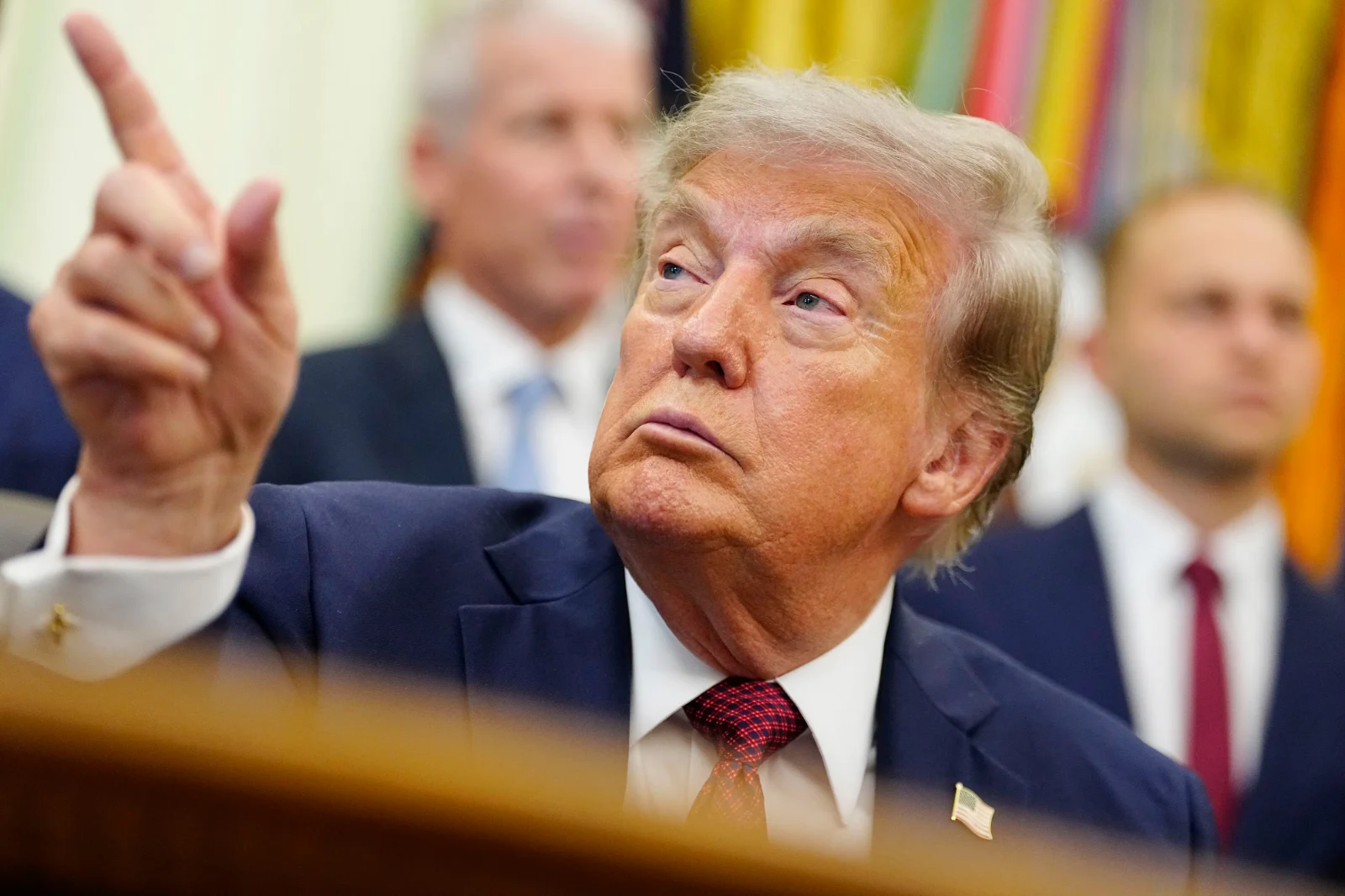
The Trump administration asked the Supreme Court to intervene in the decision to detain illegal immigrants without bail

The administration believes that this rule also applies to immigrants who entered illegally and were subsequently found within U.S. territory without having received formal admission. For the government, allowing these individuals to be released while awaiting their deportation processes would weaken the authorities' ability to enforce immigration laws.

The immigrants involved in the litigation hold a different interpretation. They argue that, once they are already inside the country, section 1225 ceases to apply because they are no longer ''seeking admission''. According to this view, section 1226 of the INA should be used, which allows for bail proceedings and hearings before immigration judges.

However, the White House has presented the measure as part of its strategy to end the policies known as ''catch and release'', under which some immigrants were released while awaiting their immigration hearings. For the administration, tightening detention aims to ensure that deportation orders can be effectively executed and to reduce incentives to remain illegally in the country.

The White House seeks to end the harmful practice of
The White House seeks to end the harmful practice of "Catch and Release"

The case before the Supreme Court involves 11 immigrants who entered the United States illegally and were subsequently detained. Immigration authorities initiated deportation proceedings against them and determined that they should remain detained under section 1225 during the process.
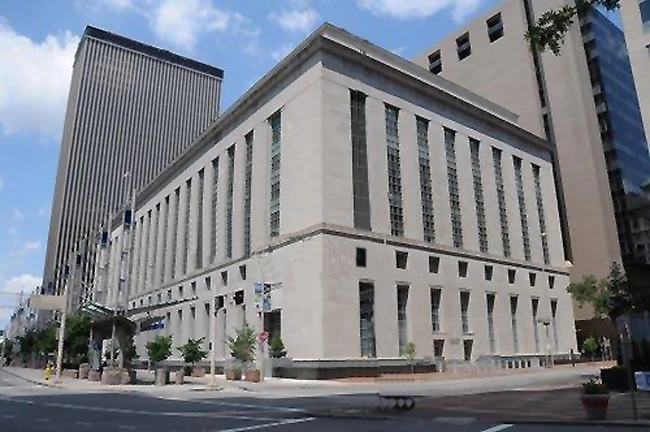

Several requested bail hearings before immigration judges. The judges concluded that section 1225 did not grant them authority to grant those hearings. The immigrants then appealed to federal district courts in Michigan and requested their release.

The courts granted the requests. In three of the four cases, they also determined that keeping them detained without a bail hearing violated their constitutional rights to due process.

The government subsequently released the immigrants without holding bail hearings and appealed the decisions to the Sixth Circuit Court of Appeals, based in Cincinnati, Ohio. In a split decision, the court upheld the rulings of the lower courts.

The Sixth Circuit Court of Appeals has taken a stance contrary to the Trump administration and asserts that section 1225 does not apply to illegal immigrants already present on U.S. soil

The Sixth Circuit concluded that section 1225 does not apply to immigrants who are already present in the United States because, after their entry, they can no longer be considered individuals who continue ''seeking admission''. It also determined that detention without a bail hearing raised due process issues.

Sauer asked the Supreme Court to intervene to definitively resolve the dispute. The government argues that the Sixth Circuit's interpretation is incorrect and warns that there is currently a split among federal appellate courts: three circuits have rejected the administration's policy, while two others have supported it.

According to Sauer, this split has created an unequal immigration system in which the possibility of obtaining a bail hearing depends on where a person is detained. For the Trump administration, this situation is incompatible with a uniform application of federal immigration laws.

''Enforcement of immigration laws should not depend on geographical happenstance,'' the attorney general states in the petition.

According to Attorney General John Sauer, the division in the interpretation of immigration law has created a failed and unequal system


La Derecha Diario logo
TwitterInstagramYouTubeTikTokFacebook
Derecha Diario TV

Nosotros

  • Quienes Somos
  • Autores
  • Donar

Privacidad

  • Protección de datos
  • Canales
  • Sitemap
  • RSS

Contacto

  • info@derechadiario.com.ar
PUBLICIDAD

Related news

The dictator Lula is playing with fire: He froze the arrival of Trump's ambassador and the bilateral crisis deepens

The dictator Lula is playing with fire: He froze the arrival of Trump's ambassador and the bilateral crisis deepens

Trump will keep Todd Blanche as Attorney General and will not yield to the pressure from the treacherous Republican senators

Trump will keep Todd Blanche as Attorney General and will not yield to the pressure from the treacherous Republican senators

Historic: Trump activated a special anti-terrorism court for the first time to deport an ISIS supporter

Historic: Trump activated a special anti-terrorism court for the first time to deport an ISIS supporter

Italy considers closing the Schengen Area with Spain after the Muslim invasion in Ceuta

Italy considers closing the Schengen Area with Spain after the Muslim invasion in Ceuta

LIVE: Javier Milei presents the Central Bank reform via national broadcast

LIVE: Javier Milei presents the Central Bank reform via national broadcast

An Ecuadorian compared Milei's government to Nazism and questioned the new immigration DNU

An Ecuadorian compared Milei's government to Nazism and questioned the new immigration DNU