
Italy is considering reestablishing border controls with Spain following the migration crisis in Ceuta and is questioning Madrid's regularization policies
The Government of Italy is considering temporarily suspending the application of the free movement rules of the Schengen area with Spain, following the massive arrival of Islamic immigrants to Ceuta from Morocco, a situation that Rome considers a threat to security and has heightened diplomatic tension between the two countries.
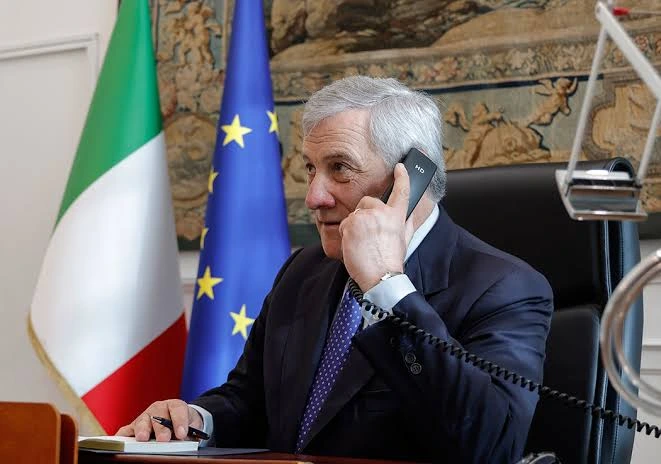
The possibility of adopting this exceptional measure was publicly supported by the Italian Minister of Foreign Affairs, Antonio Tajani, who expressed his support for the work of the Interior Minister, Matteo Piantedosi. Tajani stated that irregular and uncontrolled immigration poses a risk to national security and defended that Italy should be prepared to take measures aimed at protecting its borders.
The Italian reaction came after the serious situation recorded in Ceuta, where thousands of people attempted to enter from Morocco, overwhelming border controls and reception centers. The crisis led the Spanish government to mobilize units of the Armed Forces to support the Civil Guard in security tasks.
The Italian government is considering temporarily closing the Schengen Area with Spain due to the Muslim invasion of Moroccans in Ceuta
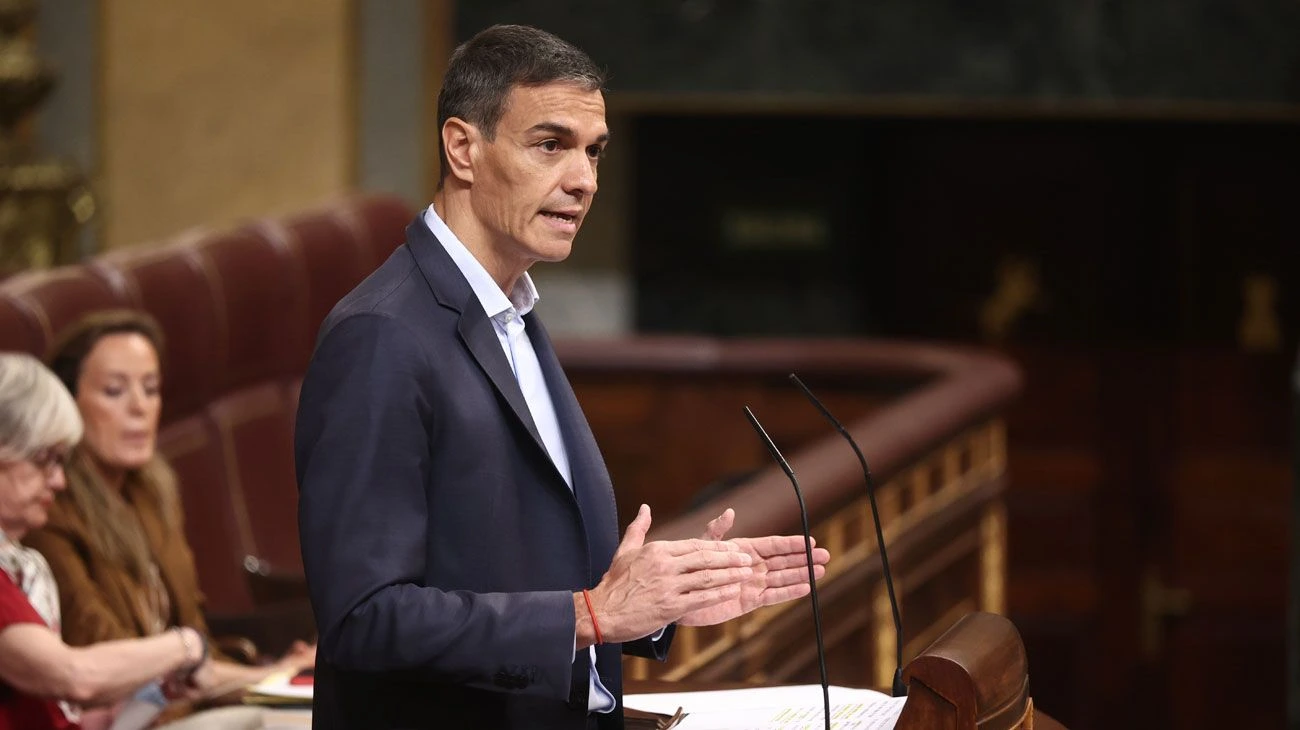
From Rome, they also questioned the immigration policies recently adopted by the government of the communist Pedro Sánchez. Tajani specifically criticized the regularization process of immigrants promoted by Spain and warned about the possible effect it could have within the European Union due to the free movement among member countries.
The Italian minister had already questioned days earlier the Spanish decision to regularize hundreds of thousands of immigrants. Tajani argued that the beneficiaries could subsequently move to other European countries, including Italy, precisely because of the existence of the Schengen area. In previous statements, he described the Spanish measure as demagogic and called for a coordinated European response to immigration.
However, Tajani linked the images from Ceuta with the granting of Spanish citizenship to more than 500,000 immigrants. The regularization currently being debated in Spain does not automatically equate to the granting of European citizenship. Spanish and Moroccan sources have also rejected that the current crisis in Ceuta can be directly attributed to that process.
The Italian government has launched strong criticism against Pedro Sánchez's communist management for his measures regarding illegal immigrants
The eventual suspension of the Schengen rules would mean temporarily re-establishing controls at the internal border between Italy and Spain. European regulations allow member states to reintroduce border controls exceptionally when there is a serious threat to public order or internal security, although it requires that the measure be temporary and proportional to the identified threat.
The measure, therefore, would not necessarily imply a definitive break with the Schengen system, but rather an extraordinary restriction of free movement. Italy has recently resorted to similar mechanisms: the European Commission published an opinion in July on the temporary reintroduction of Italian controls at its land border with Slovenia, confirming that this instrument can be used under certain circumstances.
The Ceuta crisis has also generated a political response in Spain. The Spanish Foreign Minister, José Manuel Albares, summoned the Italian ambassador to express his displeasure with Rome's statements, while the Spanish government maintains that it is working with Morocco to strengthen returns and regain control of the situation.
For now, the Italian government has not specified when it might formally submit a request to the European Union institutions nor how long any potential controls would last. However, the debate shows how the migration crisis in Ceuta is acquiring a European dimension and once again brings to the forefront the confrontation between countries calling for stricter immigration policies and those advocating for coordinated management within the community framework.