The U.S. Department of Justice intensified its offensive against public fraud and announced 17 cases in seven southern states involving more than 350 million dollars stolen or intended to be obtained through various fraudulent schemes. The initiative, driven by the administration of President Donald Trump, targets operations related to food stamps, health programs, housing, emergency loans, and tax returns.
The DOJ's National Fraud Enforcement Division reported on July 30 that the cases are taking place in Alabama, Florida, Georgia, Louisiana, Mississippi, North Carolina, and South Carolina. Authorities described the situation as a true ''epidemic of fraud'' that affects public resources and directly harms American taxpayers.
Deputy Attorney General Colin McDonald emphasized that addressing this issue requires broad coordination between federal and state authorities. As part of the offensive, new anti-fraud task forces are being created in three states, and agreements have been established to improve cooperation between state governments and Washington, including the exchange of business information and data related to public benefits.
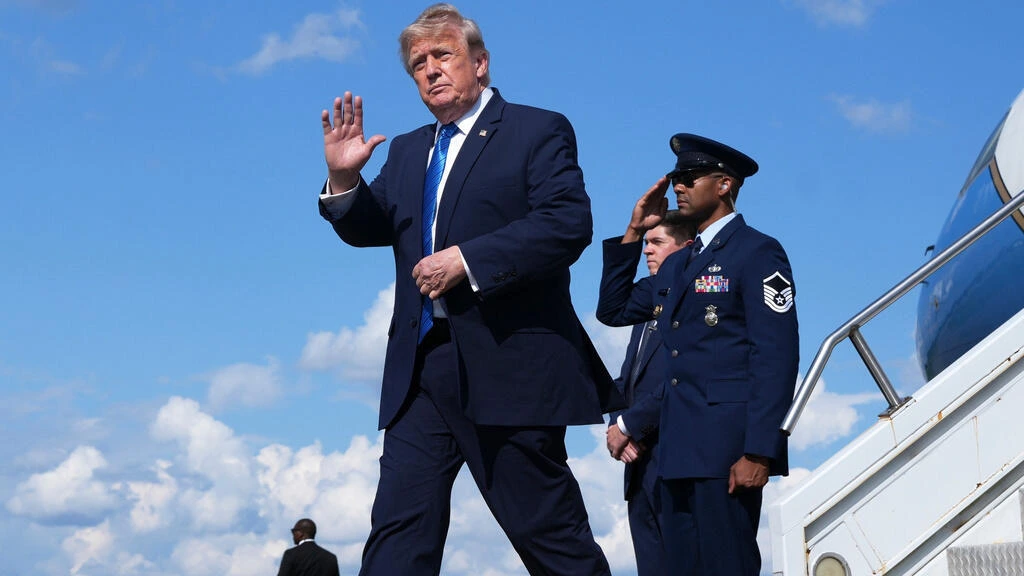
The Trump administration is advancing against public fraud that includes operations related to health programs and emergency funds
According to the Department of Justice, since July 4, federal prosecutors have already filed charges against 12 individuals in cases exceeding 90 million dollars. For the Trump administration, the goal is to identify those who exploit taxpayer-funded programs and recover resources that should be allocated to citizens who truly need assistance.
One of the largest cases occurred in Louisiana and is related to fraudulent claims submitted to Medicare for unnecessary genetic testing related to cancer and heart diseases. According to prosecutors, patients were lured into the scheme and subjected to tests that did not provide them with useful information about their predisposition to potentially fatal diseases. The alleged fraud is said to have caused losses of approximately 174 million dollars for taxpayers.
In Alabama, a tax preparer from the Birmingham area was charged with filing thousands of returns in which he falsely claimed tax credits intended for energy efficiency improvements in homes. Investigators estimate that the harm to the government reached nearly 70 million dollars.
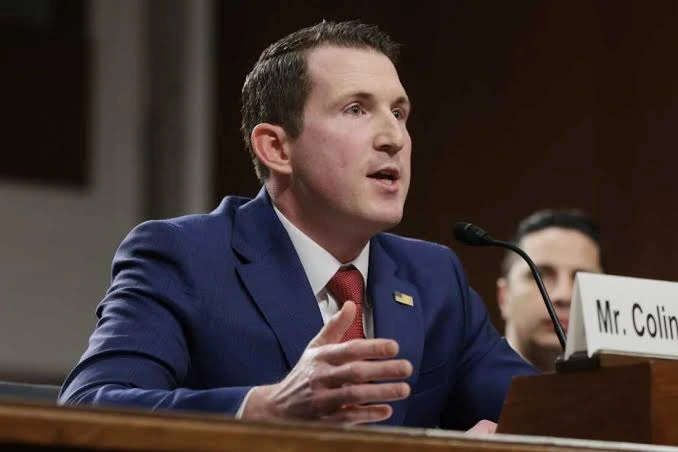
The Justice Department prosecutor, Colin McDonald, announced that coordination between state and federal forces is necessary
Florida also appears among the highlighted cases. A person who pleaded guilty to filing a false tax return agreed to pay nearly 35 million dollars in restitution and surrender properties located in Miami Beach and the U.S. Virgin Islands. Among the seized assets are a Range Rover and two Ferrari vehicles.
Another case involves four defendants in an alleged food stamp fraud scheme in Miami. Authorities claim that the mechanism generated nearly 20 million dollars in fraudulent transactions through a Kwik Stop convenience store.
The offensive is also having repercussions in South Carolina. State Attorney General Alan Wilson reported that his office recently charged six individuals with defrauding taxpayers and harming American workers through falsified labor documents provided to illegal immigrants. Wilson also noted that new partnerships between state and federal authorities allowed for the identification of more than 20 million dollars in alleged fraudulent Medicaid claims during an operation called ''Operation Border Wars''.
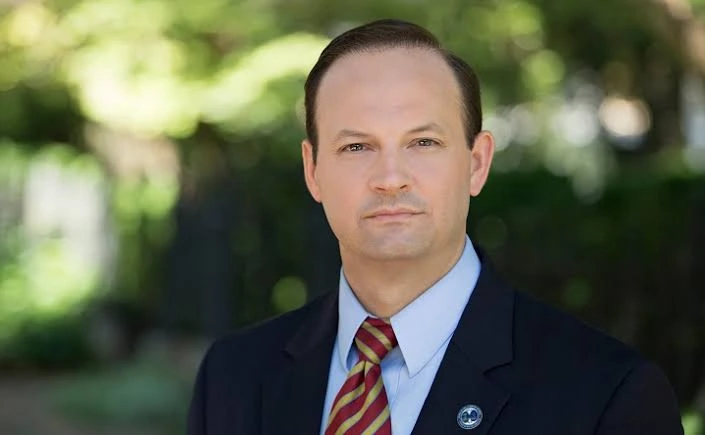
The Attorney General of South Carolina made a harsh accusation against six individuals for committing fraud by providing false documentation to illegal immigrants
Republican officials have highlighted the Trump administration's support for these initiatives. Louisiana Attorney General Liz Murrill stated that states are ''counterattacking'' against fraud in benefit programs with the help of the federal government.
The National Fraud Enforcement Division was created in April as part of Trump's strategy to combat fraud, waste, and abuse of public resources. Mississippi Attorney General Lynn Fitch stated that Trump has demanded that authorities increase their efforts to protect taxpayer money.
The scale of the problem explains the priority given by the administration. The Government Accountability Office estimates that fraud costs the federal government between 233 billion and 521 billion dollars annually.
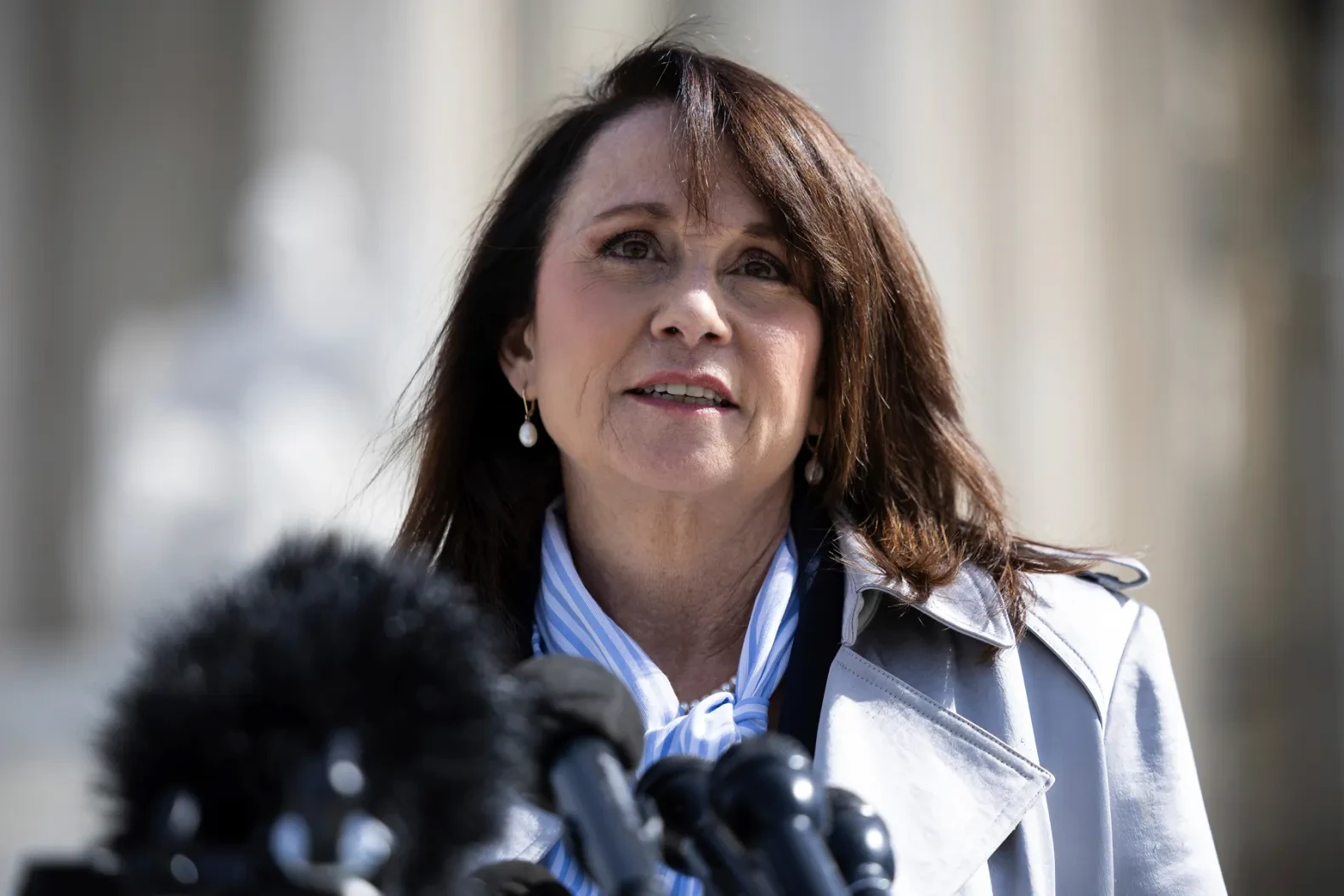
The Attorney General of Louisiana, one of the states most affected by fraud, supported the Trump administration's initiative and assured that the states will fight back against illegality
The offensive is also extending to other areas. In July, the division created a specialized unit for commercial crimes to investigate tariff evasion, smuggling, customs fraud, sanctions violations, and imports related to forced labor.
In this way, the Trump administration seeks to make the fight against fraud a national priority, combining greater coordination between Washington and the states, criminal prosecution, and recovery of public funds. For its officials, attacking these networks means directly protecting taxpayers and ensuring that government programs are not used for illicit enrichment.