They say it is to diplomatically pressure Israel, but it is a clear measure that supports Hamas's position
Nuevo
Agregar La Derecha Diario en
Compartir:
The European Commission has formally presented a proposal to suspend certain preferential trade provisions that benefit Israel, in response to the prolonged offensive in Gaza and the deterioration of the humanitarian situation.
The measure would affect a significant volume of Israeli exports and, if implemented, would mean the reinstatement of tariffs on goods that currently enter under preferential conditions.
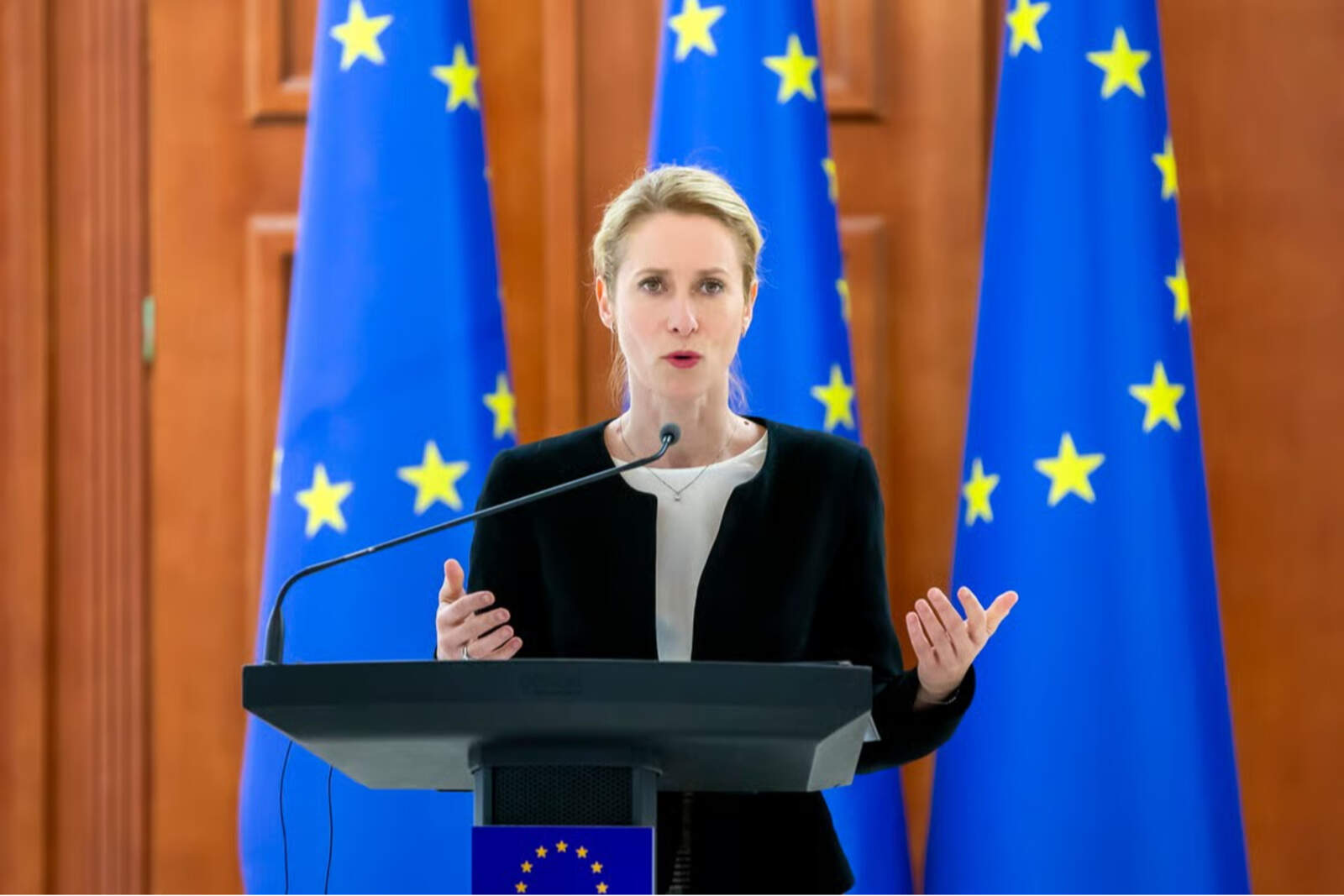
Kaja Kallas, the EU's High Representative for Foreign Policy, ironically said that the goal is not "to punish Israel" but to create diplomatic pressure to improve humanitarian assistance in Gaza, stop the violence, and facilitate the release of hostages. But we all know what the truth is.
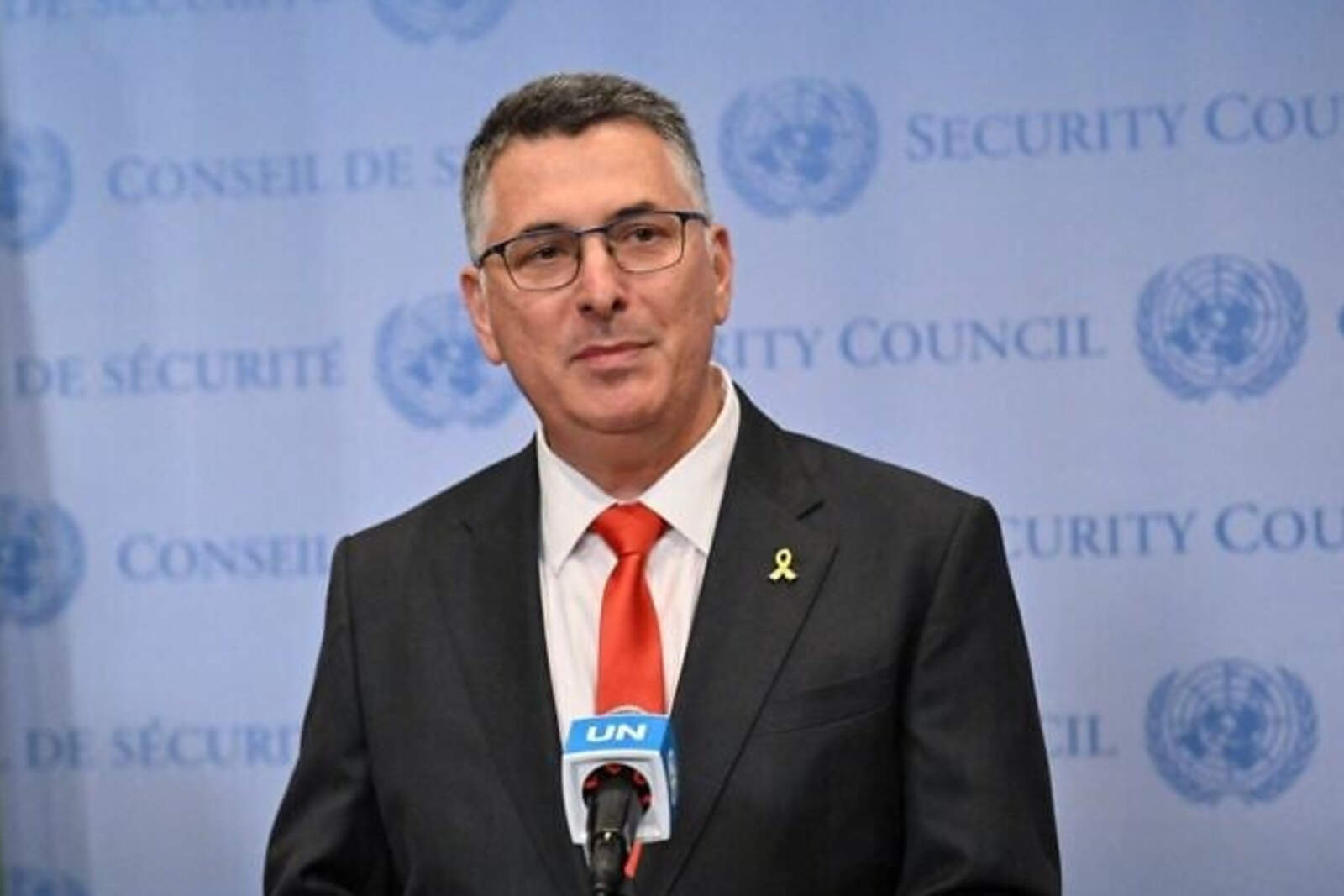
Chancellor Gideon Sa'ar
In addition to the partial suspension of trade advantages, the Commission proposes targeted sanctions against Israeli political figures—specifically ministers Itamar Ben-Gvir and Bezalel Smotrich—as well as restrictions against violent settlers and several Hamas leaders.
These sanctions would include travel bans and asset freezes, but for their formal adoption, they require unanimous support or qualified majorities depending on the type of measure.
Nevertheless, the proposal comes at a time of division among the Twenty-Seven: several member states—including key players—have not yet given their support and there are reservations about the scope and effectiveness of economic measures that could have reciprocal consequences.
The Commission, however, has already announced the immediate freezing of part of bilateral cooperation and certain disbursements as part of its proposal.
From Jerusalem, the reaction was one of strong condemnation. The Israeli Foreign Minister, Gideon Sa’ar, described the measures as "morally and politically distorted" and warned that actions against Israel would also harm European interests.
Sa’ar stated on social media that Israel will continue to defend itself "with the help of its friends in Europe" and warned that any punitive step will be answered in due course.
For Israel, the measure represents a new diplomatic front that adds to the existing international pressure, while for the EU it poses a dilemma: balancing international condemnation for possible violations of international humanitarian law with the desire to maintain channels of cooperation and dialogue.
The final decision now depends on deliberations among member states, where geopolitical, commercial, and regional security factors will continue to shape the discussion.