The rag woke invented that in Israeli prisons, Palestinians are raped by dogs, when in reality they live better there than in their homes.
Nuevo
Agregar La Derecha Diario en
Compartir:
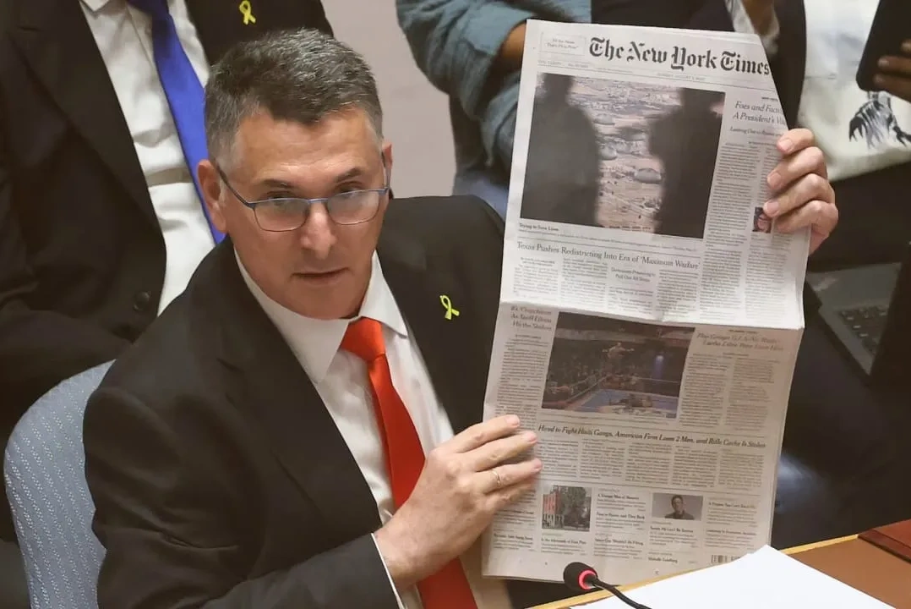
The government of Israel will initiate legal action against The New York Times following the publication of a column by journalist Nicholas Kristof that included allegations of serious sexual abuse against Palestinians in Israeli prisons. From the Prime Minister's Office, the claims were described as “one of the most horrendous and distorted lies ever published against the State of Israel”.
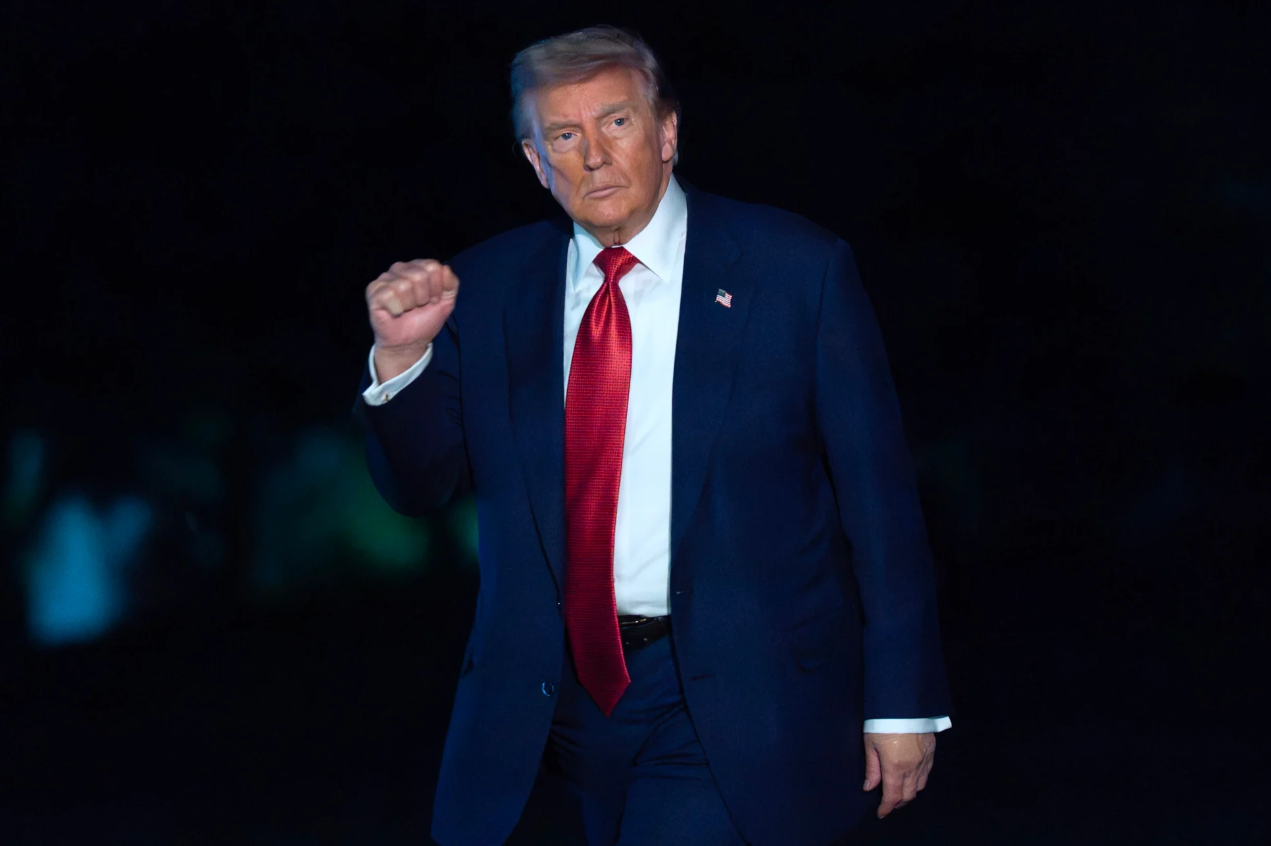
According to the official statement, Prime Minister Benjamin Netanyahu and Foreign Minister Gideon Sa’ar instructed government officials to begin preparations for a defamation lawsuit against the influential American newspaper.
The case arises amid growing tensions between Israel and parts of the international press over the coverage of the war in Gaza. Netanyahu has repeatedly accused foreign media of reproducing unverified information from Hamas and of making serious accusations against Israel without conclusive evidence. As early as last August, the leader had denounced that “Hamas's lies” were being amplified in international media.
The film will arrive in theaters on April 30, 2027.
Official sources indicated that the future lawsuit will seek to determine whether the claims published by Kristof exceed the limits of journalistic opinion or political criticism and constitute legally actionable defamation. For now, it has not been reported in which country the lawsuit will be filed or what type of financial compensation Israel might claim. It is also unclear whether the plaintiffs will be state agencies or individual officials.
In Jerusalem, they believe that the article is part of a broader trend of accusations that, according to the Israeli government, deliberately damage the international image of the country during a period of war and high diplomatic sensitivity. Israeli officials argue that such allegations must be backed by solid and verifiable investigations before being disseminated by global media.
The dispute could open a new front in the debate over the boundaries between press freedom, coverage of armed conflicts, and journalistic responsibility in times of war.