The special envoy and son-in-law of Donald Trump will discuss the implementation of the plan to end the war in Gaza
Nuevo
Agregar La Derecha Diario en
Compartir:
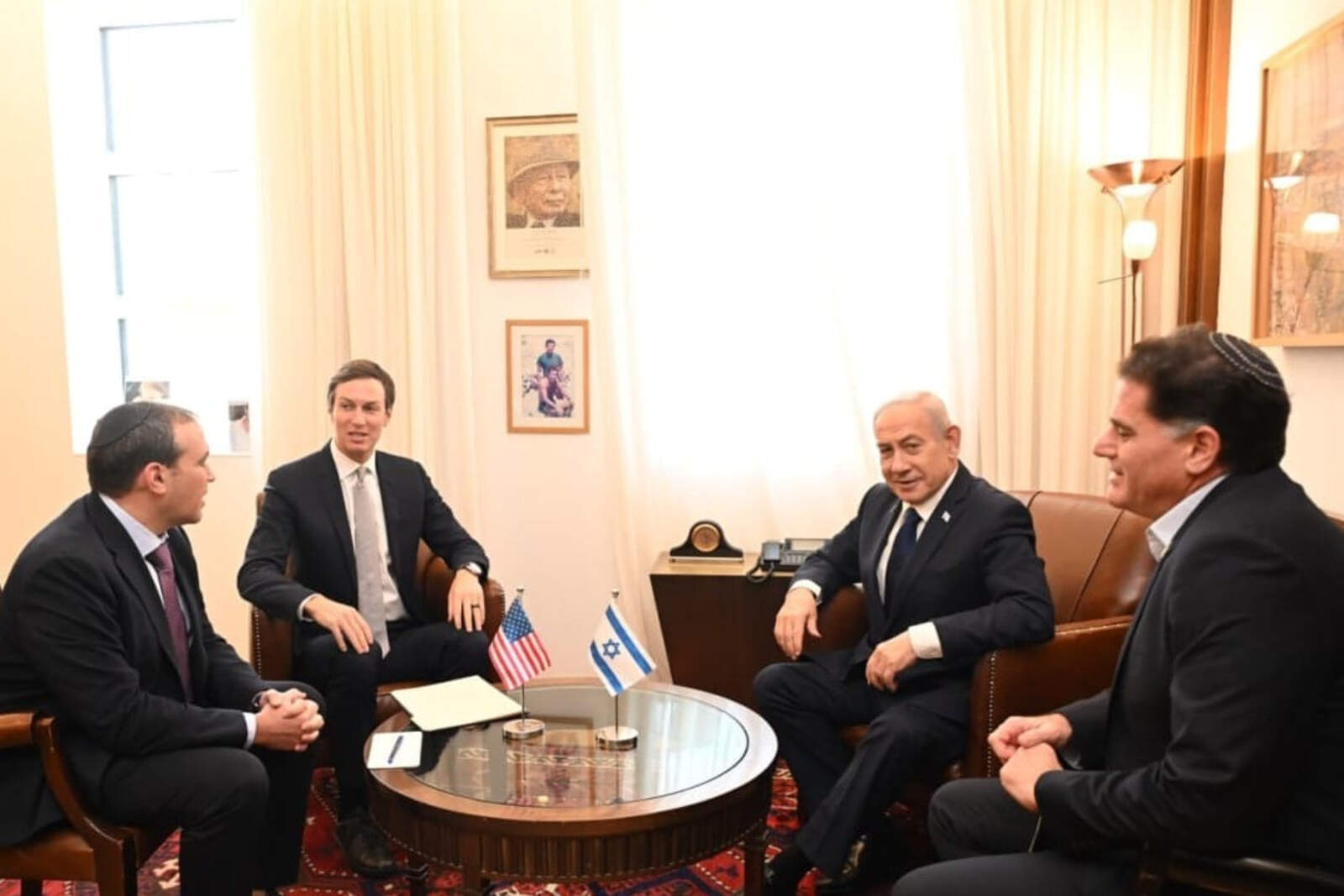
Israeli Prime Minister Benjamin Netanyahu met in Jerusalem with Jared Kushner, special envoy and son-in-law of U.S. President Donald Trump, to discuss the implementation of Washington's plan aimed at ending the war in Gaza.
Kushner, who during Trump's administration was one of the central figures in the development of the Abraham Accords—which normalized relations between Israel and several Arab countries—returned to Israel at a key moment.
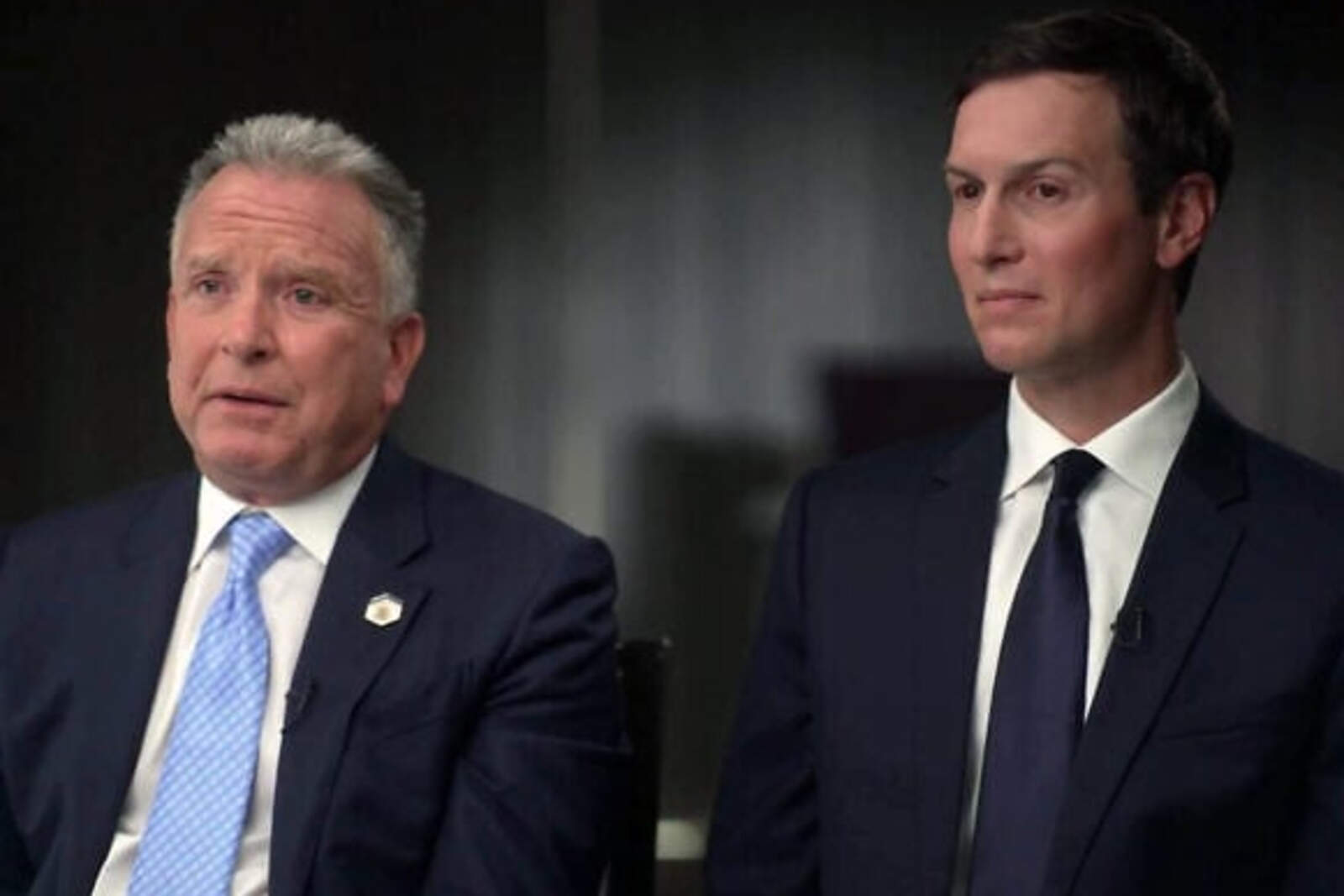
Trump's special envoy to the Middle East, Steve Witkoff, and Jared Kushner
His visit seeks to reactivate the strategic dialogue between both governments, in a context in which the U.S. administration is pushing for a resolution that combines the total defeat of Hamas with the opening of a postwar political framework.
Senior Israeli officials acknowledge that Washington is exerting pressure on Jerusalem to show flexibility in dealing with the last Hamas strongholds, especially the 100 to 200 terrorists entrenched in the Rafah tunnels.
"Officially, everyone repeats that Israel will not allow those terrorists to leave the tunnels, even if they surrender," an Israeli source admitted. "But privately, everyone understands that if U.S. pressure increases, Israel could be forced to accept some kind of compromise."
In Washington, some officials have suggested that Hamas fighters could be granted 'safe passage' out of Rafah, after the return of the remains of soldier Hadar Goldin, who was kidnapped by Hamas in 2014 and returned last week.
Israel, however, keeps its firm position: without the total elimination of the terrorist infrastructure in Gaza—including the tunnels and the Hamas leaders still hiding in them—there will be no lasting peace.
Meanwhile, the talks between Netanyahu, Kushner, and Witkoff seek to outline the steps of a broader agreement that not only ends the current conflict, but also strengthens the strategic alliance between Jerusalem and Washington, and consolidates the regional axis that emerged from the Abraham Accords in the face of the threat of terrorism backed by Iran.