Tension is rising over control of the territory following the fragmentation of local power structures
Nuevo
Agregar La Derecha Diario en
Compartir:
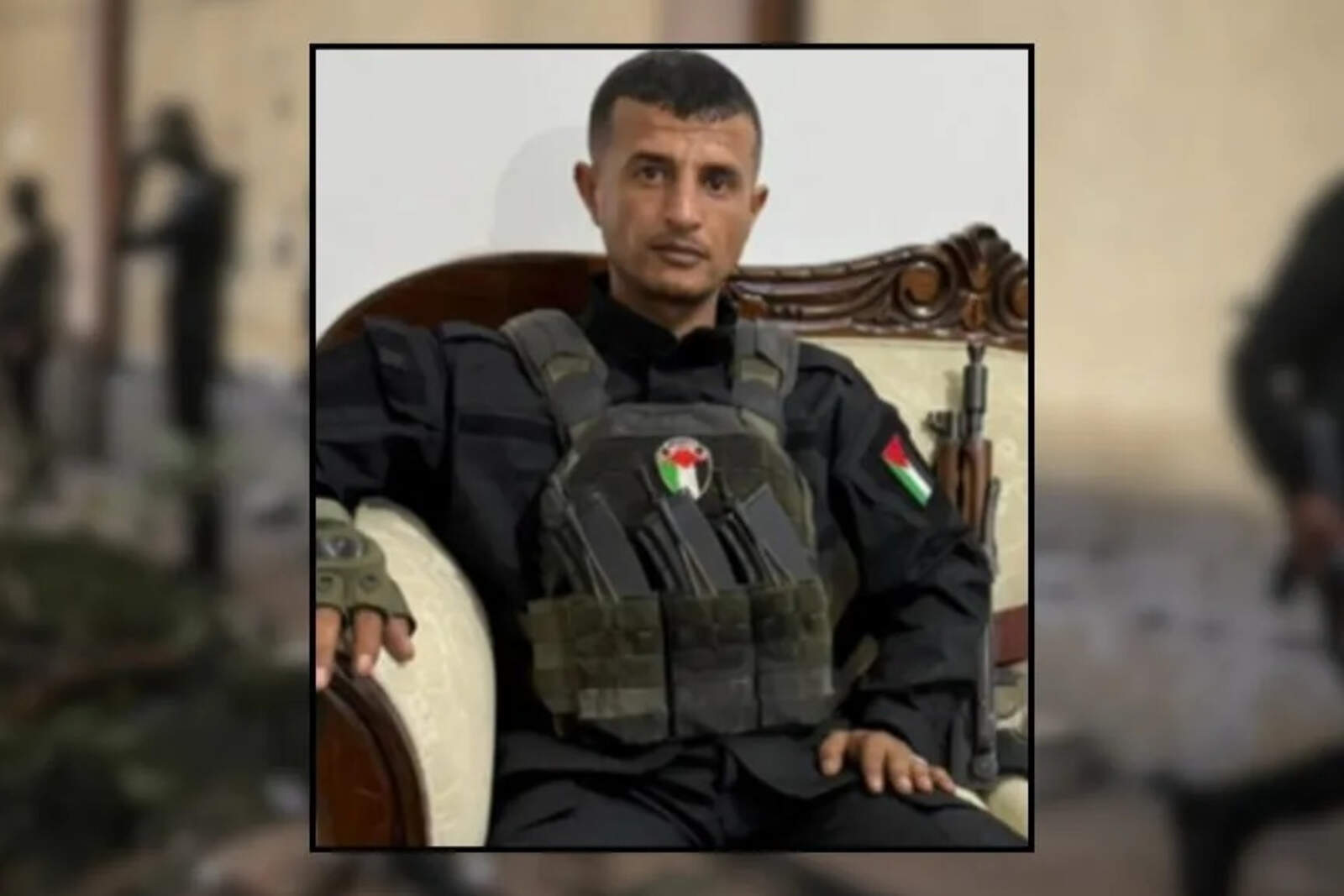
Israeli sources confirmed the death of Yasser Abu Shabab, leader of the Abu Shabab militia, a Gaza-based group self-described as "Popular Forces"that had been collaborating with Israel in local efforts to weaken Hamas in the southern Gaza Strip.
According to the same sources, Abu Shabab was not killed by Hamas, but died as a result of an internal clan dispute, a phenomenon that has intensified in Gaza amid the loss of territorial control and the growing fragmentation of local power structures.
This clarification contrasts with initial reports that attributed his death to a direct attack by the terrorist organization.
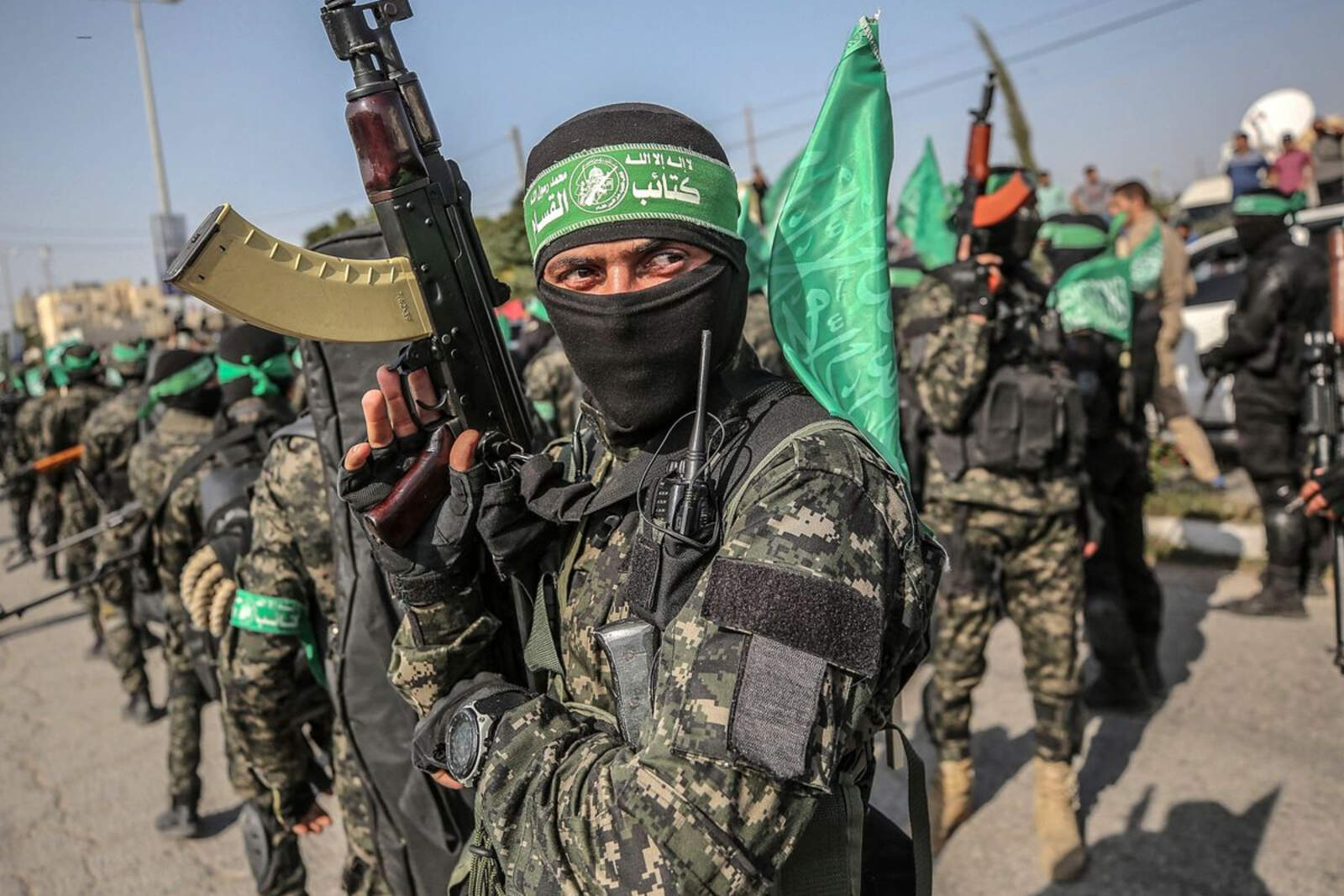
Hamas terrorists
Abu Shabab was seriously injured during the confrontation and was subsequently evacuated to a hospital in southern Israel, where he ultimately died of his wounds.
Israeli media initially reported that the militia leader had been transferred to the Soroka Medical Center in Beersheba, but the hospital itself denied having received him or being the place of his death.
Abu Shabab's profile had gained prominence in recent months due to his militia's collaboration with Israel in operations aimed at eroding Hamas's influence in areas where the local population expressed fatigue and rejection toward the coercive authority of the Islamist group.
Cooperation with local factions, although complex and sensitive, has enabled Israel to obtain critical information about terrorist networks and operative movements, facilitating more precise actions and reducing risks for civilians.
Abu Shabab's death highlights the volatility of the internal situation in Gaza, where Hamas continues to exercise control through violence, but faces growing challenges from local sectors seeking to distance themselves from the authoritarian model imposed since 2007.
Although his death represents a setback for the efforts of these anti-Hamas factions, Israel considers that collaboration with local actors committed to stability and opposition to terrorism remains a relevant component in the attempt to reshape the security dynamic in the Strip.
Abu Shabab's death comes at a time when Israel is working intensively to consolidate new security structures in southern Gaza and encourage the emergence of local leadership willing to challenge Hamas and contribute to a more stable future for the region.