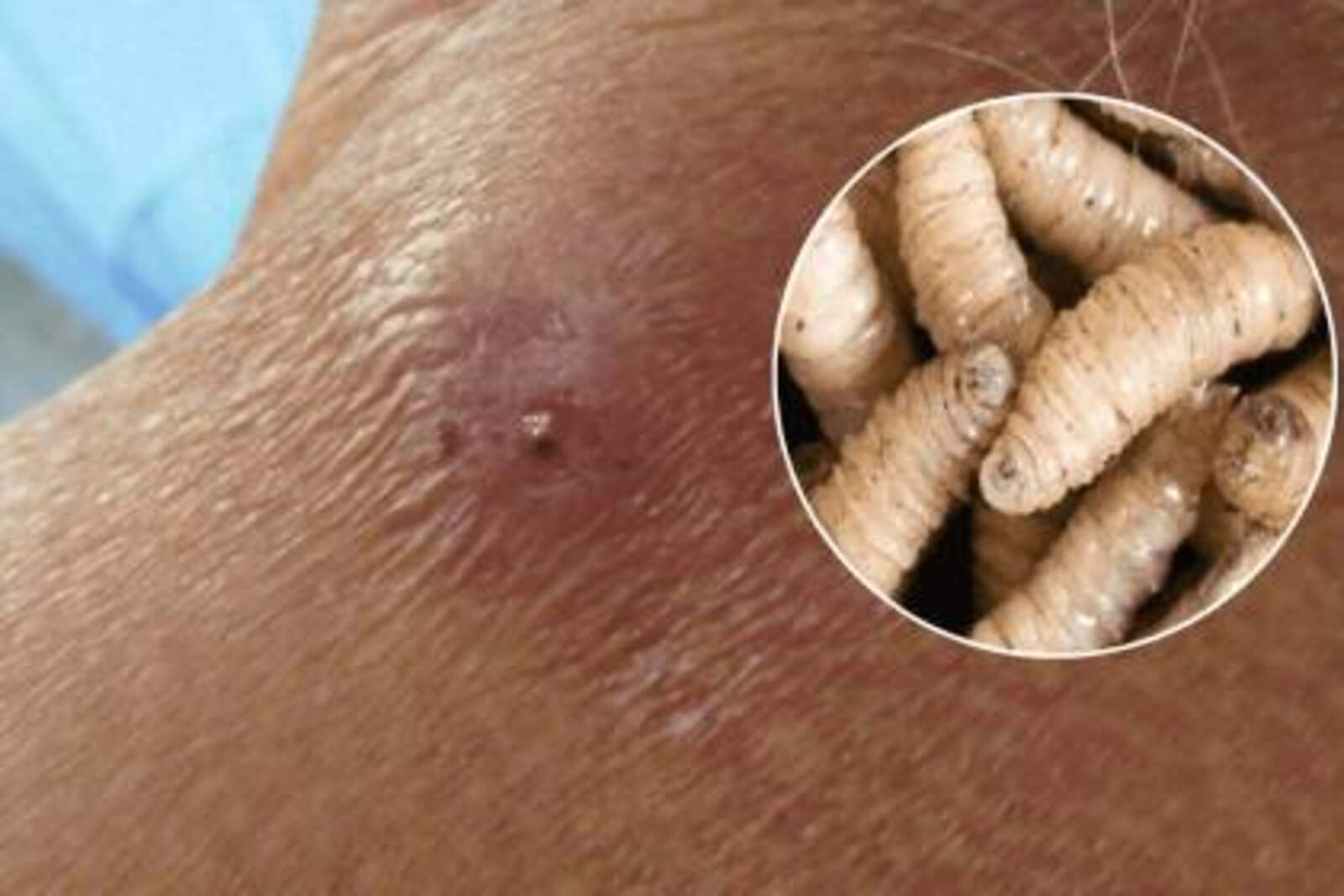

The Ministry of Health confirmed the first human case of screwworm myiasis in Mexico; the affected individual is a 77-year-old woman from the municipality of Acacoyagua, Chiapas, who was urgently transferred to the High Specialty Hospital Ciudad Salud in Tapachula.
The patient received immediate medical attention after the presence of screwworm larvae was detected in her body, which prompted a strong reaction from health authorities.
This case, unprecedented in Mexico, is already being investigated to determine its origin and prevent new infections. Her condition is stable, but the outbreak has already raised alarms throughout southeastern Mexico.
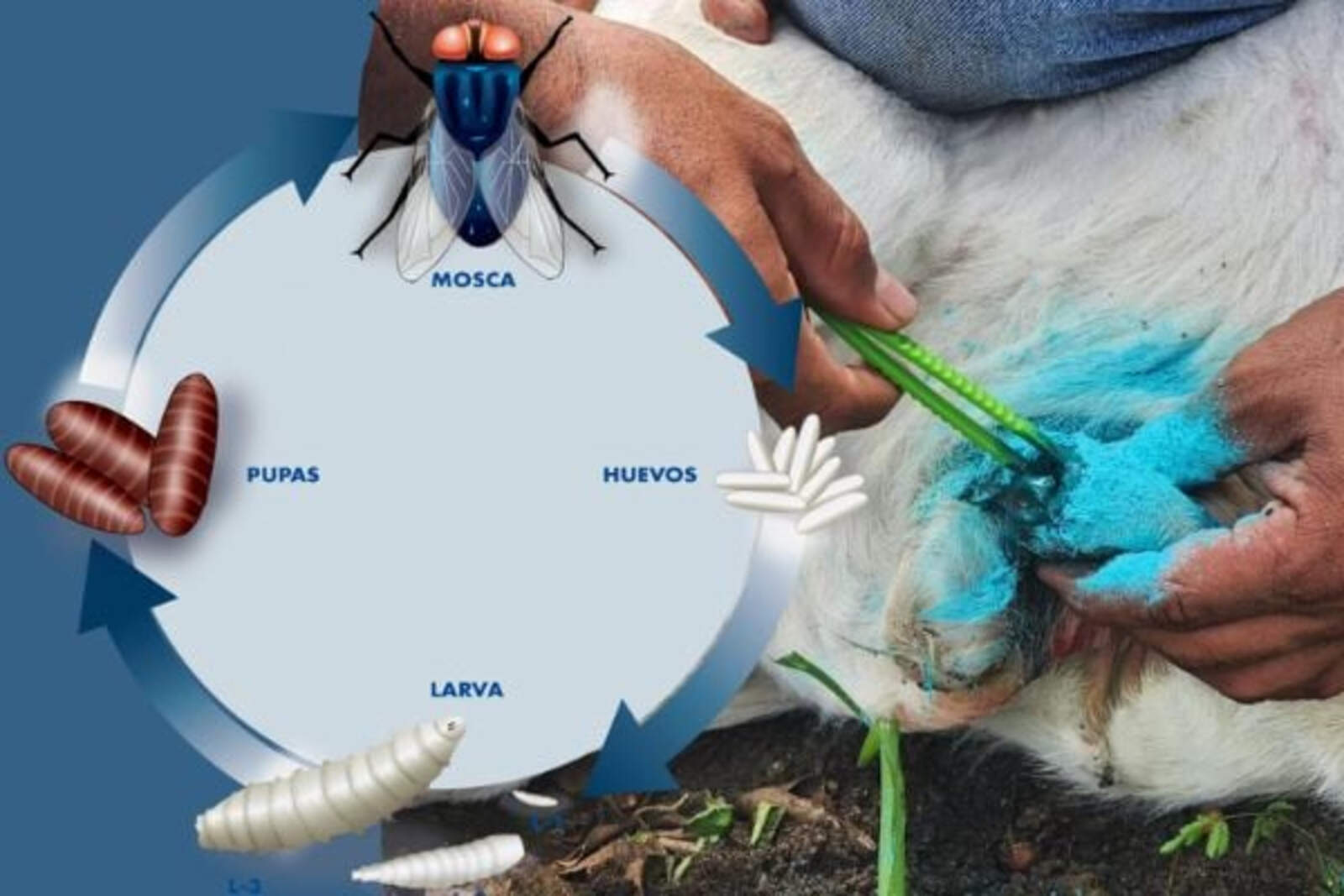
Since 2024, the screwworm had reemerged in the livestock sector, invading living tissues and causing concern among producers, veterinarians, and technicians. Its spread was already visible in states like Oaxaca, Tabasco, and Chiapas, where multiple alerts were issued. However, the government's response was limited to meetings and statements, without taking concrete actions to contain the plague's advance.
An ignored plague now puts human lives at risk
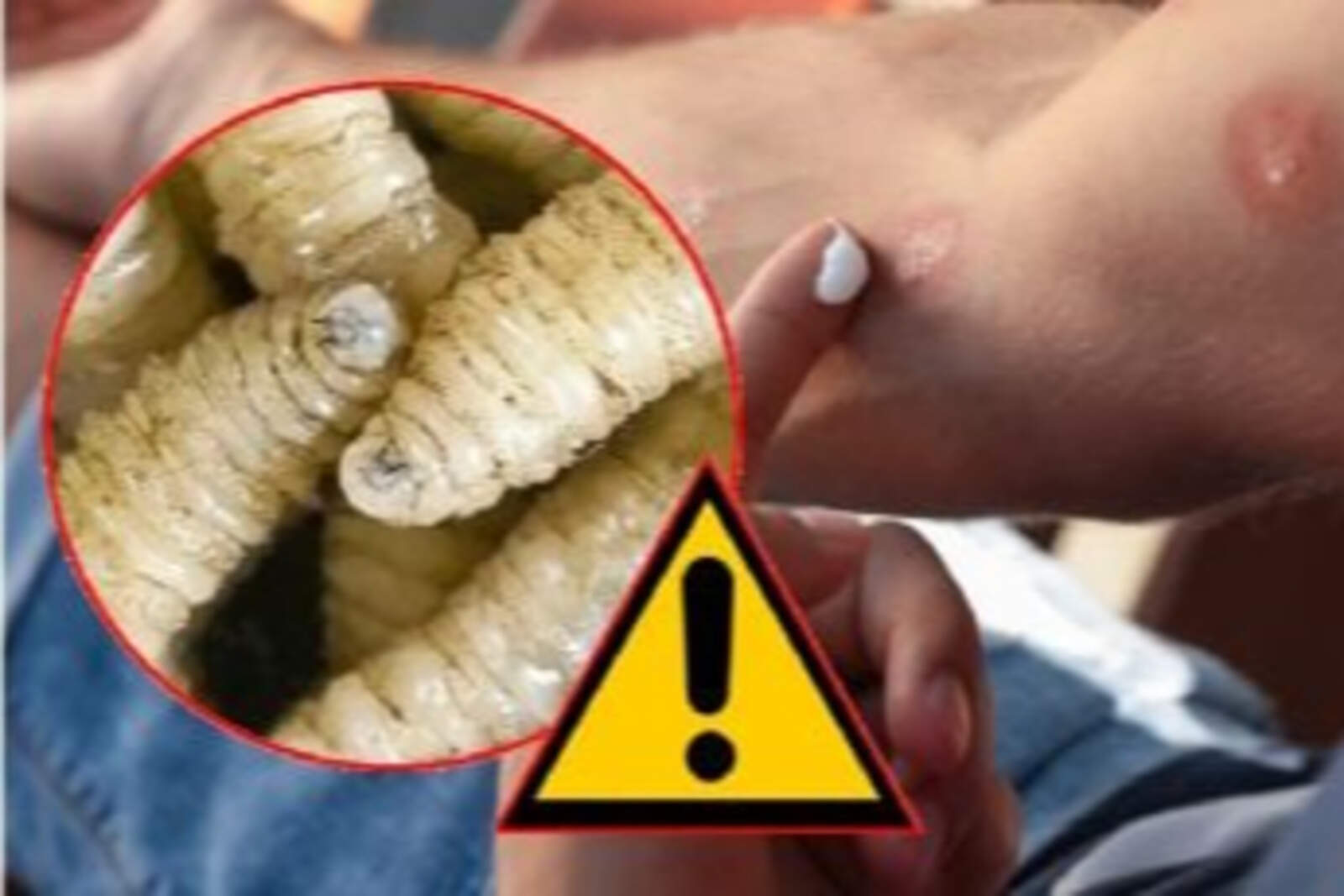
This case marks the leap that authorities ignored: from a livestock problem to a direct threat to public health. Human myiasis, although rare, can be dangerous if not treated, and after more than a year of neglect, it is already affecting people.
The patient is being treated with antibiotics, surgical cleaning, and medical observation.
But instead of activating a strong health barrier, authorities have just begun "epidemiological surveillance" tasks in the area.