
Journalism describes reality in a more or less objective way and lets the reader decide what to think. However, in a recent article that refers to me, they published something that, if one reads it carefully, ends up proving me right. Curiously, it does so by quoting Javier Milei.
Allow me, dear reader, a brief account.
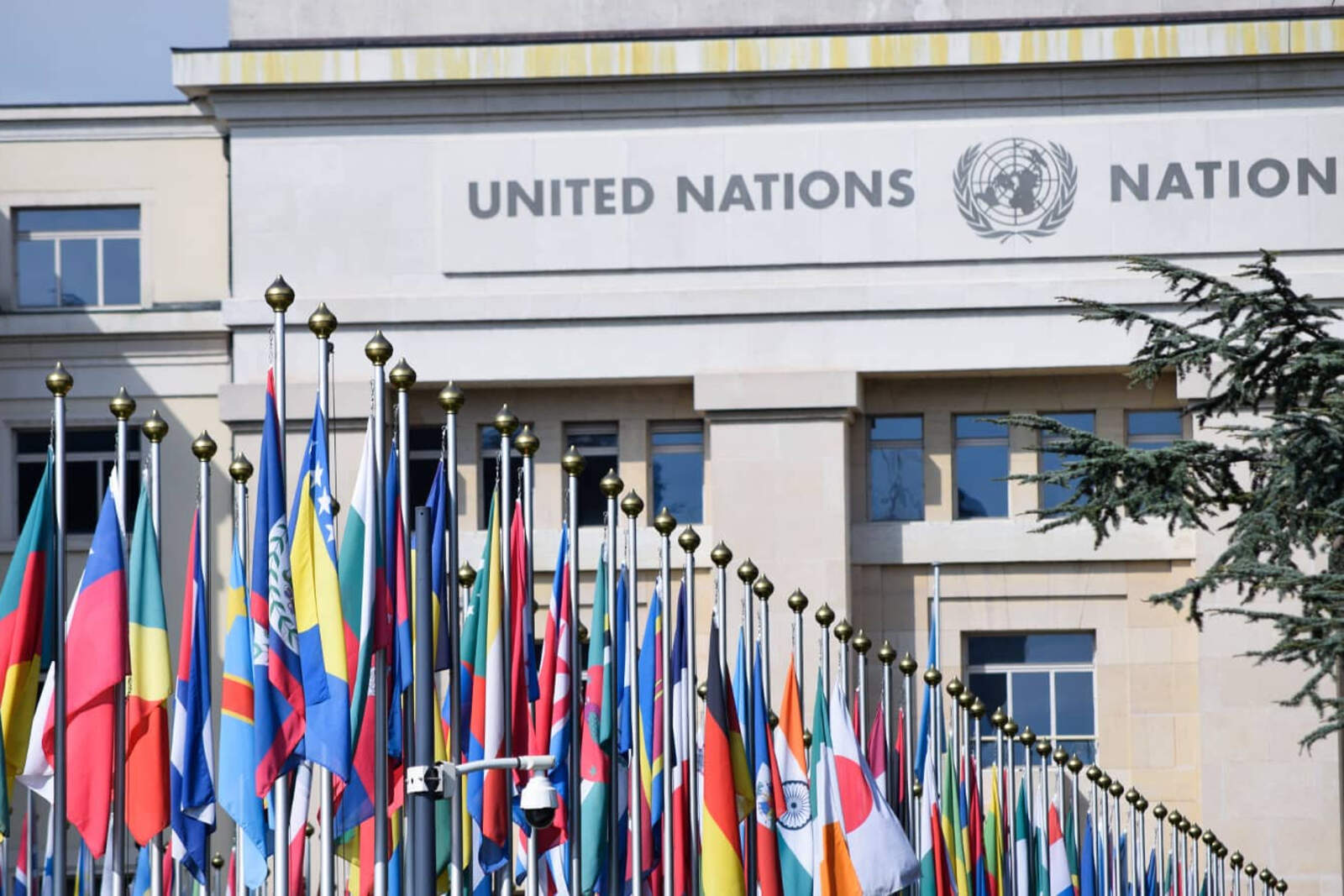
On the social network X, which has become a natural forum for political debate, I had the pleasure of exchanging opinions with Esteban Queimada about the role of the UN. My position was, from the beginning, exactly the same as the one Javier Milei expresses today. I held it even before I heard it from him, because it is a logical position.
The UN is a necessary, even indispensable, organization. It has contributed to humanity experiencing, since the end of World War II, a period of peace and prosperity rarely seen in history. Yes, even though some insist on denying it, we live in an unusually peaceful era.
However, it is also true that the UN, in many respects, has been colonized by the woke agenda, especially since that ideological bias became firmly established in American universities. Today, the UN's operational structure is made up of 90% career diplomats who repeat what is dictated from certain centers of global power.
But as the saying goes: the fault doesn't lie with the pig, but with the one who scratches its back.
Countries like Switzerland, Saudi Arabia, or Israel ignore the UN's ideological recommendations. Why? Because they have a solid foreign policy and a robust economy. They ignore what doesn't suit them. It's that simple.
When Esteban—or anyone—lashes out against "the UN," I believe that, in reality, they are absolving local actors of responsibility. It was Uruguayan governments—of all political stripes—that chose to follow those guidelines, often in exchange for funding, other times due to a lack of strategic vision.
That happens, among other reasons, because many international credit organizations—pressured by the woke world—condition their loans on the adoption of certain policies. Countries that do not need that money do not subordinate themselves. That's how it works.
You can't lump "the entire UN" together. That kind of generalization oversimplifies a complex issue. Moreover, it disregards the work of thousands of people—civilians and military—who make a real difference in the lives of millions.
I saw it with my own eyes: tens of thousands of people voting for the first time thanks to UN missions. I saw food programs that fed entire families every day. I was part, along with colleagues, of operations in which the Blue Helmets managed to stop genocides. That happens. It happens every day.