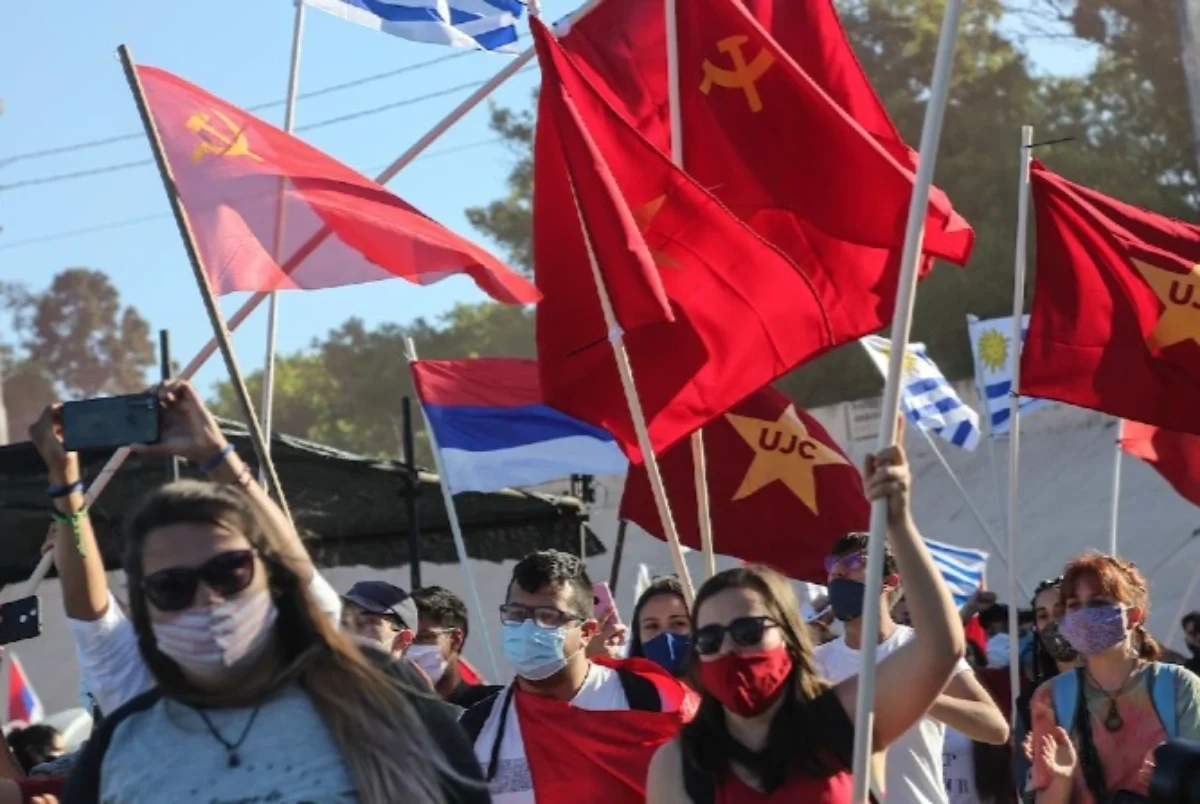

When Yamandú Orsi won the elections in Uruguay, a leftist activist could not contain her excitement. “Today is a bad day to be a fascist,” she declared on live television, celebrating what for her represented the triumph of the project she had passionately defended. It was the classic quip of someone who feels that history is finally smiling upon them.
Months later, the same activist made a decision that few expected: she packed her bags and moved to Javier Milei's Argentina.
Yes, to that Argentina. The one that is implementing free market reforms, cutting public spending, deregulating, and opening up the economy. The one that, according to the numbers that are beginning to emerge, is generating private employment, attracting investment, and returning opportunities to those who were fed up with stagnation. The one that, for many Uruguayans across the river, is becoming the place where “you can.”
And here comes the irony, but without malice: the girl who celebrated on TV the “bad day to be a fascist” decided, in practice, to move to the country that the regional left describes as “the paradise of fascists.” She did not flee from a right-wing government; she fled from a Uruguay that, under the banner of the Broad Front, she herself helped to consolidate. She left the country that promised “more state, more inclusion, more rights” and chose the one that is betting everything on economic freedom, tax cuts, and reducing the state apparatus.
And the most interesting part: we are not going to attack her for that. On the contrary.
Because making the decision to emigrate is not easy. It involves recognizing, even if silently, that the model one defended is not giving them the life they want. It means leaving behind friends, family, customs, and a political project to which they dedicated years. And above all, it means betting on a country that is in the midst of change, with its pains, adjustments, and uncertainties, but also with its promise of a future.