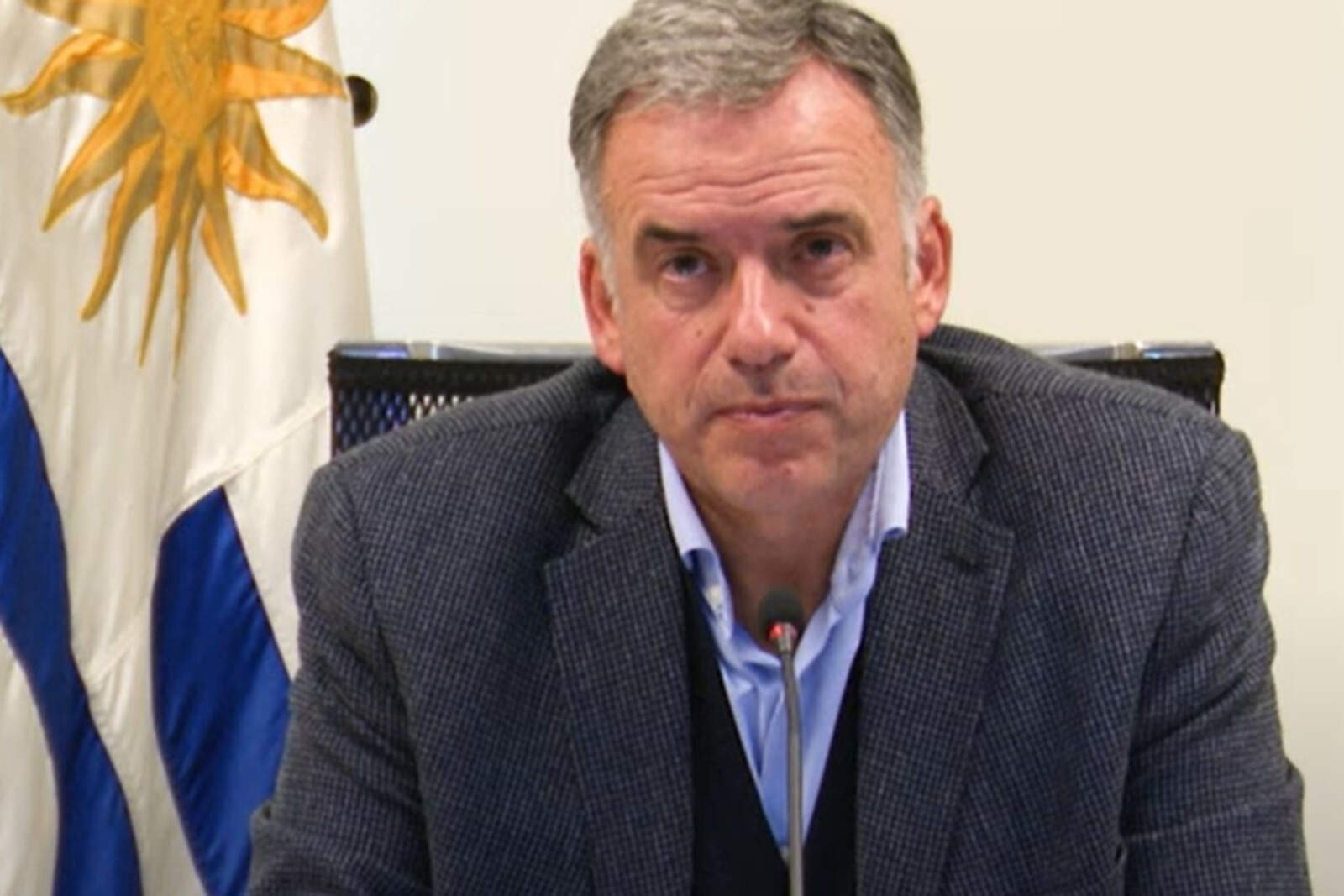

The President of the Republic will travel to Seville, Spain, to participate in the Fourth International Conference on Financing for Development (FFD4) of the United Nations Organization. It will take place between June 30 and July 3 and aims to reform the rules of the global financial game and implement concrete measures to obtain the necessary economic resources to achieve the Sustainable Development Goals (SDGs) established in the 2030 Agenda.
This is how the UN puts it: "FFD4 offers a unique opportunity to reform financing at all levels, including supporting the reform of the international financial architecture and solving the financial challenges that prevent the urgent investment push for the SDGs."
Last Tuesday, June 3, in a virtual meeting, Yamandú Orsi stated before the UN Secretary-General, António Guterres, that "Uruguay's commitment [is] not only to attend, but to sign the agreements and commit [itself] to whatever emerges from that international conference."
These statements are extremely serious and all the media turned a blind eye: how can a head of state commit the entire Uruguayan people "to whatever emerges"? Accepting to sign agreements in advance and saying so publicly with such lightness is a terrible act of political recklessness and institutional irresponsibility. In clear terms: Yamandú Orsi completely surrenders national sovereignty and disrespects the entire Uruguayan people.
You may also be interested in... This analysis on how the pay-as-you-go system has also been used to commit the country without public debate.
Global tax regime
To get warmed up, on April 28, 2025, within the framework of the 2025 UN Economic and Social Council (ECOSOC) Forum on Financing for Development and the 4th Preparatory Committee for FFD4, UN News published the article "Financing for development faces hard truths."
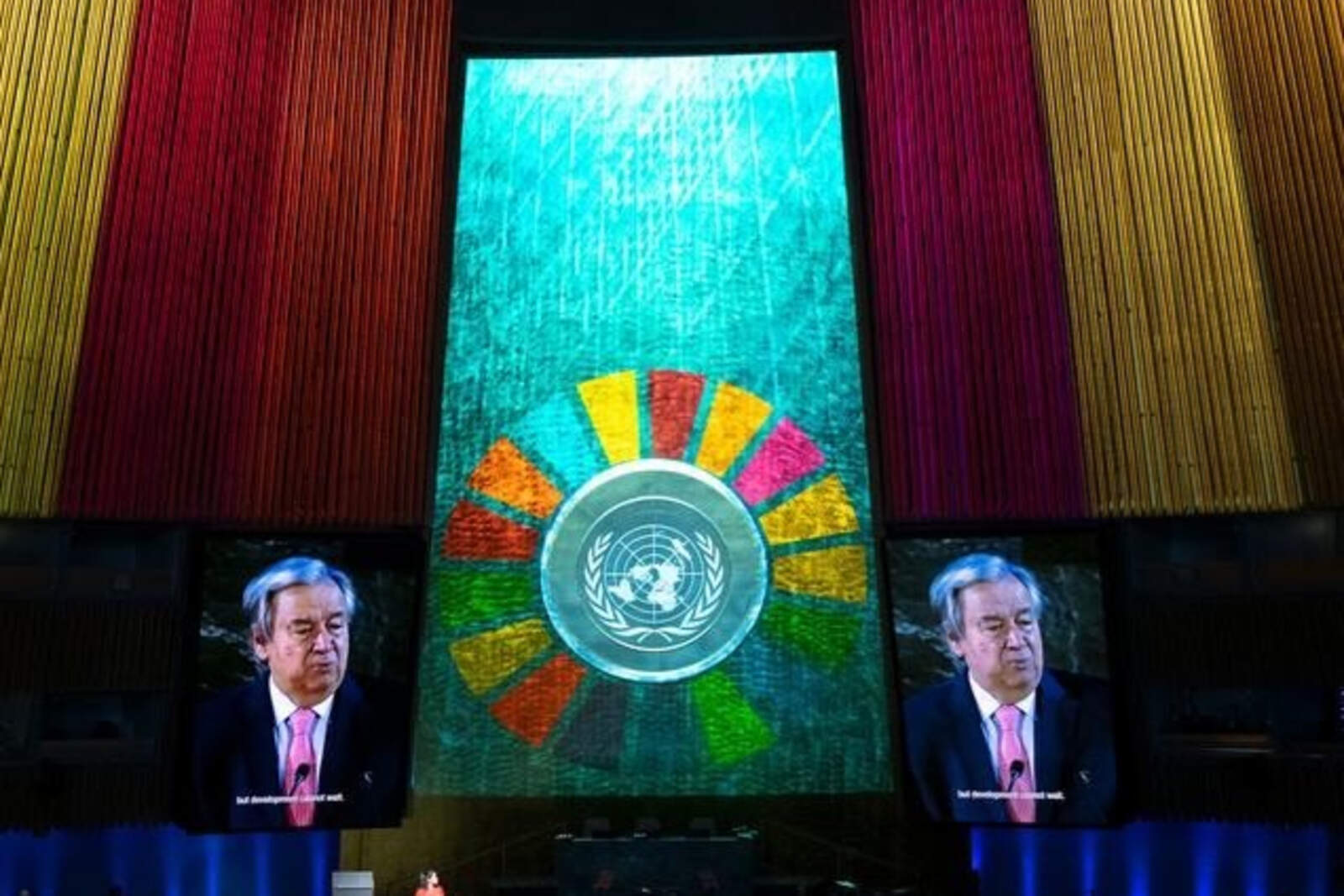
Secretary-General António Guterres warned about donors' failure to fulfill commitments, the increase in trade barriers, and the suffering of an annual financing deficit of 4 trillion dollars. However, he stated that the greatest and most dangerous problem facing the agenda lies in the fact that "global collaboration is being actively questioned".
He also called for the creation of new sources of financing, strengthening collaboration with the private sector, and moving toward an "inclusive and effective global tax regime". This would constitute a complete loss of fiscal sovereignty for nations. States would no longer have the freedom to define their tax system according to their economic, social, and cultural priorities, becoming subordinate to global rules defined by multilateral organizations. Accepting a global tax regime means giving up governing in the national interest to submit to external interests, unrelated to local realities.
Along the same lines, Bob Rae, president of ECOSOC, openly stated that "There is no national solution; there can only be a global solution". This statement reveals the ideological core of globalism: dissolving the sovereignty of nation-states in favor of supranational structures that no one democratically elected.
You may also be interested in... This article on how the myth of the protective state hides a looting machine disguised as institutionality.
Not only Frente Amplio responds to foreign interests
Let us remember that for more than 70 years, the UN has had a fierce influence on decisions that condition the lives of Uruguayans. However, there was a turning point under the previous nationalist government that perceives itself as "right-wing."