The Social Development and Gender Unit (UDSG) of MIEM has launched the Mujeres que Transforman 2025 call
Nuevo
Agregar La Derecha Diario en
Compartir:
The Social Development and Gender Unit (UDSG) of the Ministry of Industry, Energy and Mining (MIEM) has launched the call for applications Women Who Transform 2025.
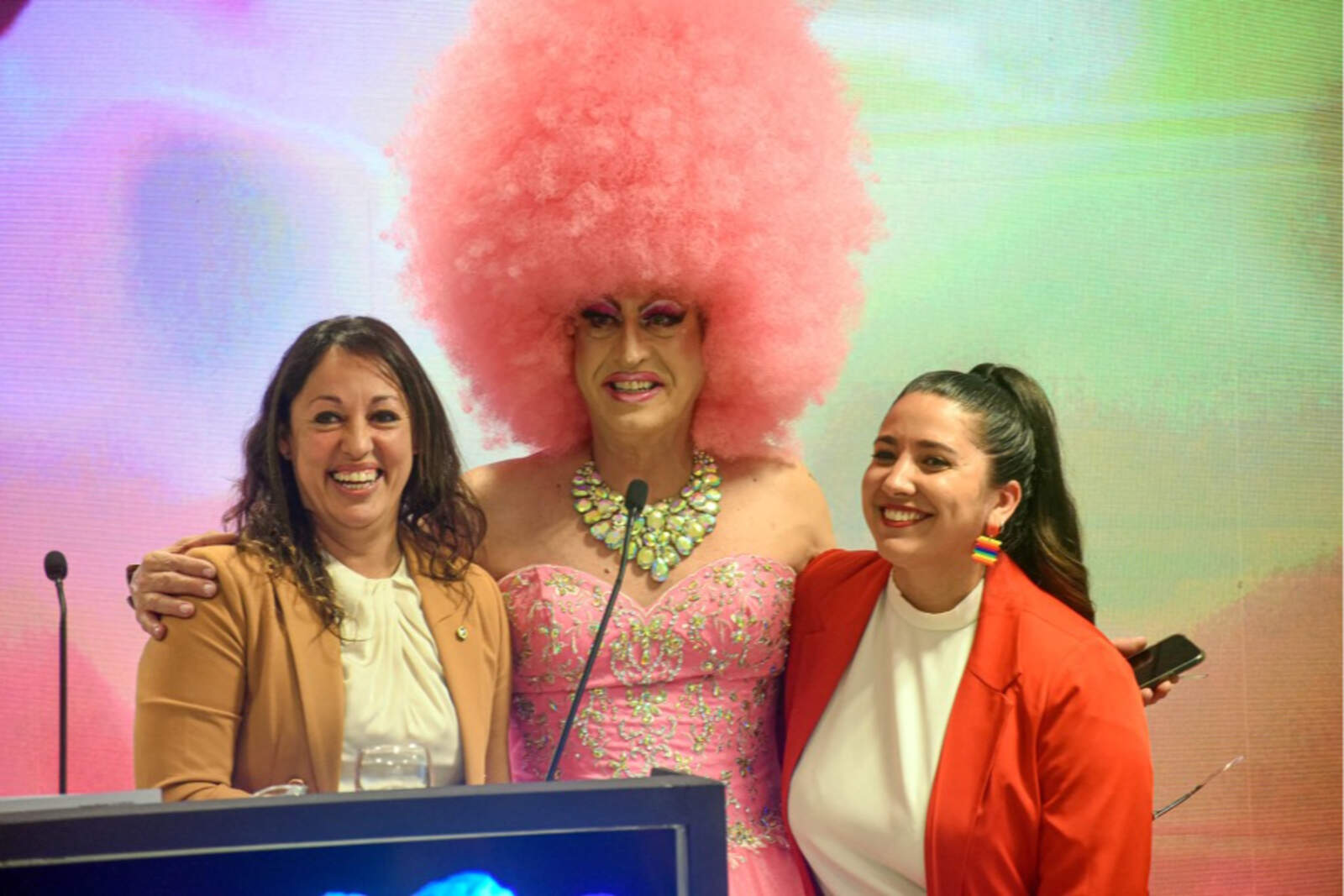
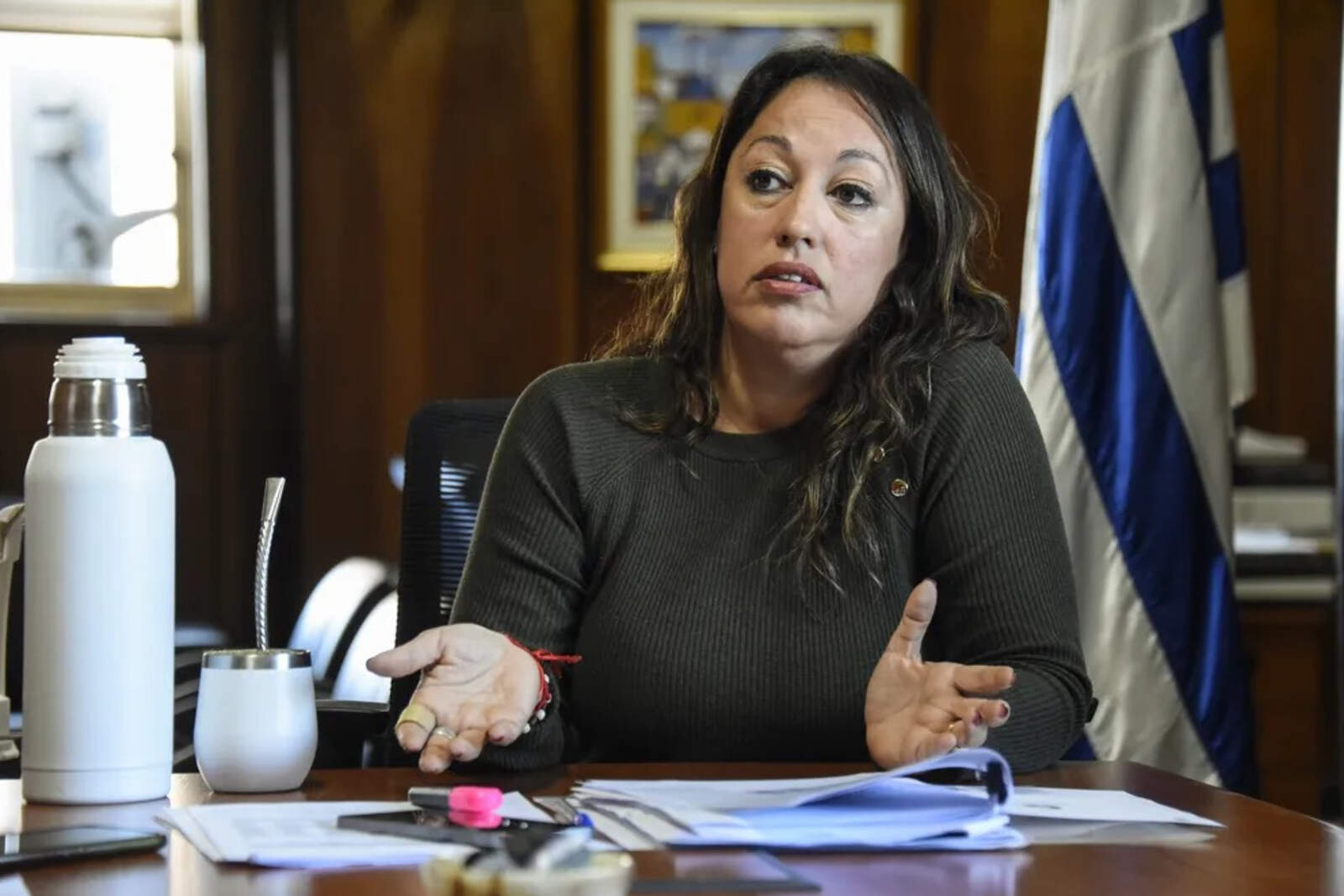
The feminist Fernanda Cardona, head of the ministry, will allocate $3,500,000 in public funds to finance exclusively ventures led by women or transsexuals who identify as women.
A biased and exclusionary policy
According to recent statements by Cardona, MIEM will allocate grants of $450,000 to only seven projects. But the seriousness increases: the money will not have to be repaid.
Even worse: the necessary requirement to access the call has nothing to do with economic efficiency, but with the sexuality of the person running the company.
Like any public policy, it will be carried out with the money of all taxpayers, but even so, they decided to openly exclude half of the population: men.
We are no longer equal before the law
An entrepreneur who has invested time, effort, and money in his small business is automatically excluded just for being a man.
Ministra de Industria.
This is a blatant way of violating the country's essential norm:
"All people are equal before the law, recognizing no distinction among them except that of talents or virtues."
This essential principle stipulated in Article 8 of the Constitution of the Republic prevents the State from granting privileges or benefits based on sex, race, or other condition.
However, the Women Who Transform 2025 program establishes precisely that distinction: grants only for women (or men who identify as women).
Institutionalized inequality
The money that funds this program comes from the taxes of all Uruguayans. However, it is men who contribute in greater proportion to the tax system, since they make up the majority of the active workforce.
According to INE data, in 2024 the activity rate for men was 68.9%, compared to 56.1% for women. This means that men make a greater contribution to the financing of the State.
Paradoxically, those same resources are used to support a program that completely excludes them, benefiting only women entrepreneurs or men who identify as women.
Gender feminism has co-opted the design of all public policies in Uruguay, consolidating an ideological hegemony that violates the constitutional principles of equality and freedom, with the acceptance of all political parties.