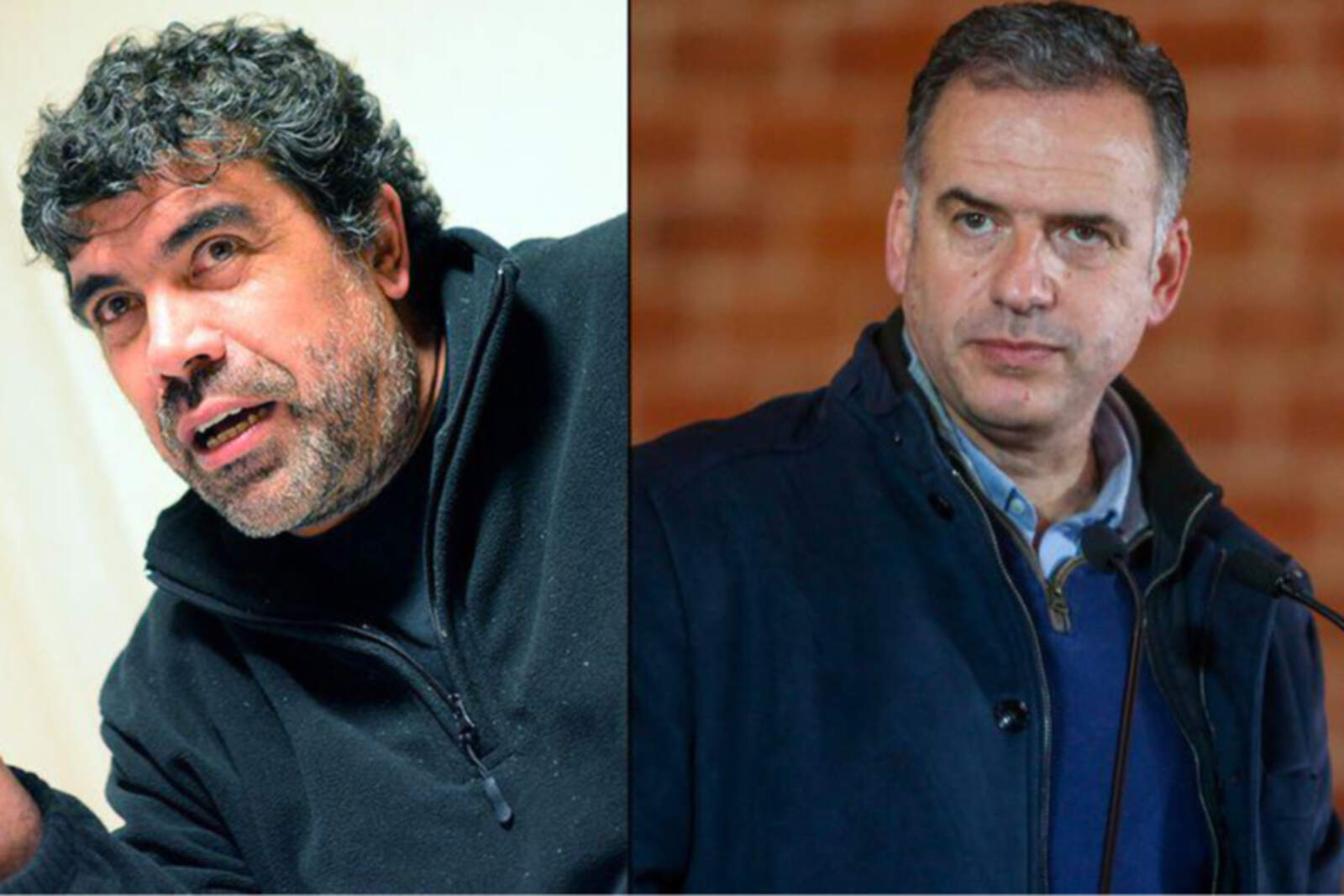

Frente Amplio faces an increasingly explicit struggle between MPP and PCU. What was once a covert dispute for the political and ideological leadership of the Uruguayan left has turned into an open battle, marked by cross-attacks, divergent agendas, and antagonistic strategies.
MPP vs. PCU: Origins and leadership
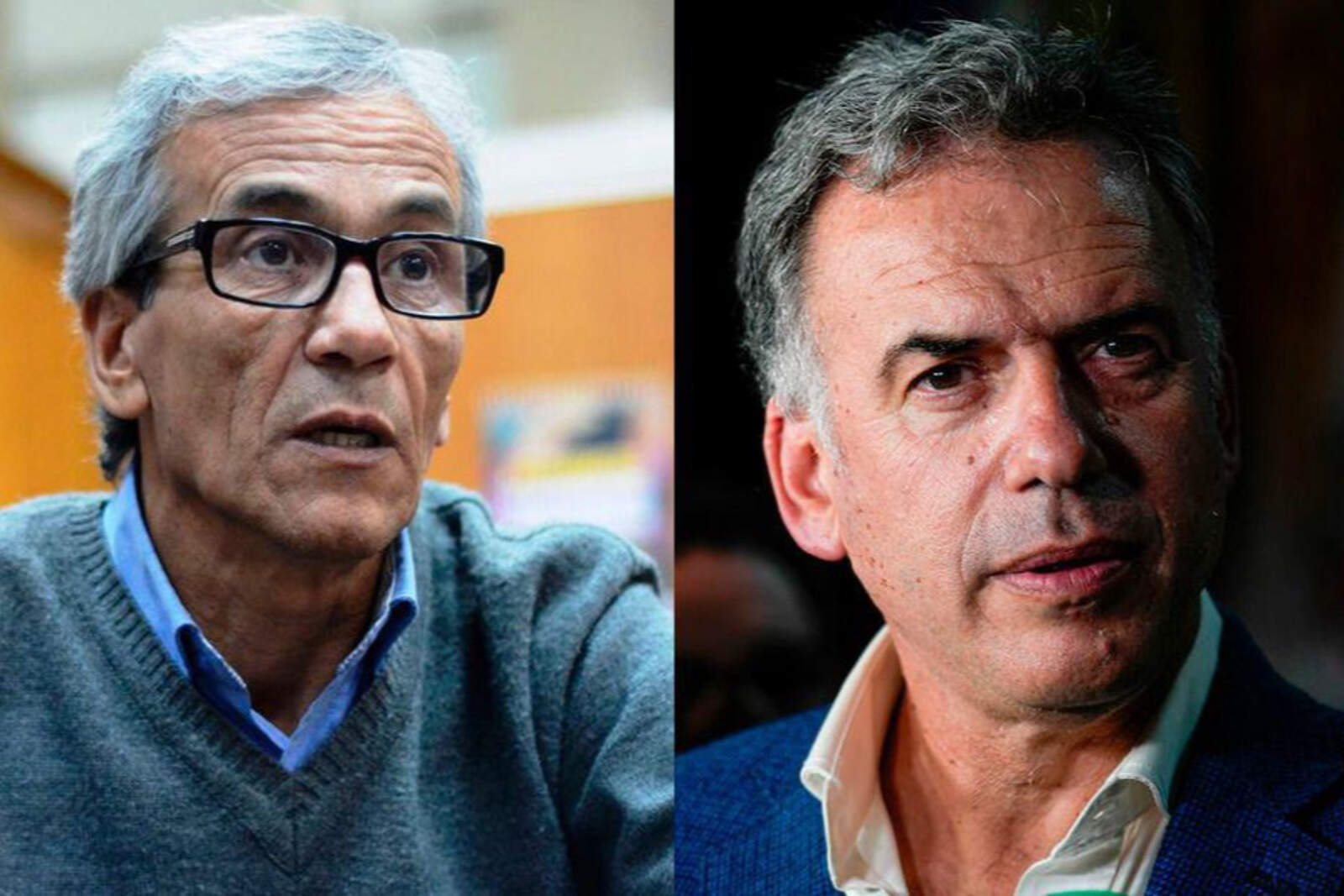
MPP, inspired by the Tupamaro terrorist movement, was led by José "Pepe" Mujica until his death in 2025. Currently, Yamandú Orsi leads the sector, projecting a dialoguing center-left focused on productive development.
MPP seeks to emulate historical Batllismo, promoting a "national capitalism," that is, a disastrous welfare state that imposes extremely high taxes on SMEs to subsidize the luxurious lifestyle of large cities.
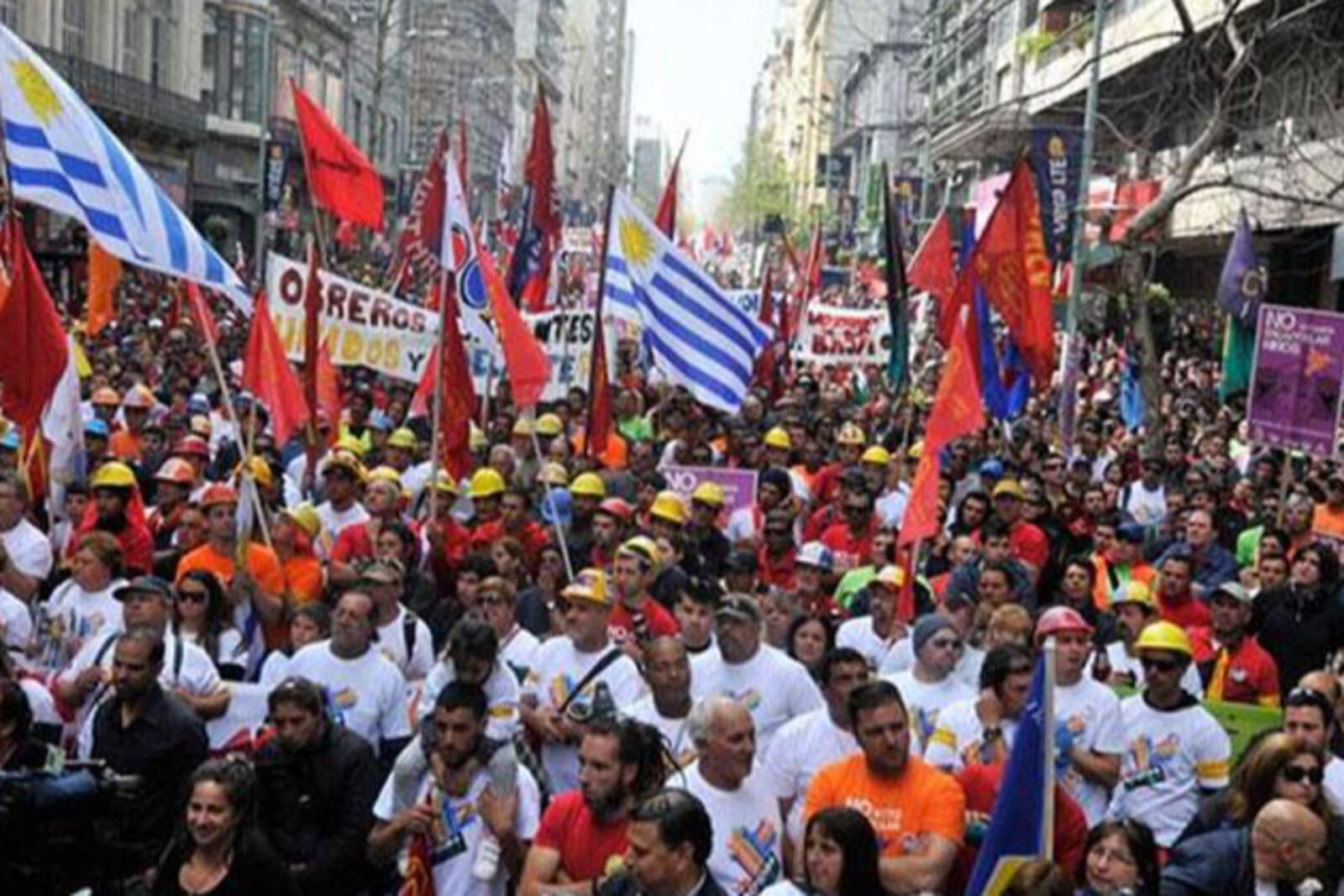
Militants from the hardline left accuse MPP of weakening the unions, especially PIT-CNT, dominated by PCU, through leaks of corruption in unions such as Sunca and Fosvoc.
You may also be interested in this report on Mujica and his relationship with the past.
PCU, Marxist-Leninist since 1920, keeps its union power. Óscar Andrade, Carolina Cosse, and Juan Castillo stand out as its main leaders.
PCU defends a syndicalist socialism and proposals such as the "tax on the rich" that MPP rejects. Unlike PCU, MPP sees these ideas as an electoral and economic burden.
In Uruguay, the unions are completely co-opted by PCU. Presidents, treasurers, and union operators are party activists and manage union funds to do politics and flaunt power.
A divided front, a fragmented government
In daily management, MPP and PCU constantly clash. One prioritizes pragmatism; the other, ideological confrontation.
Accusations, leaks, and jibes
Internal complaints have become commonplace. Óscar Andrade was accused of embezzling funds from Sunca. MPP also questions the spending on Antel Arena, a project promoted by Carolina Cosse.