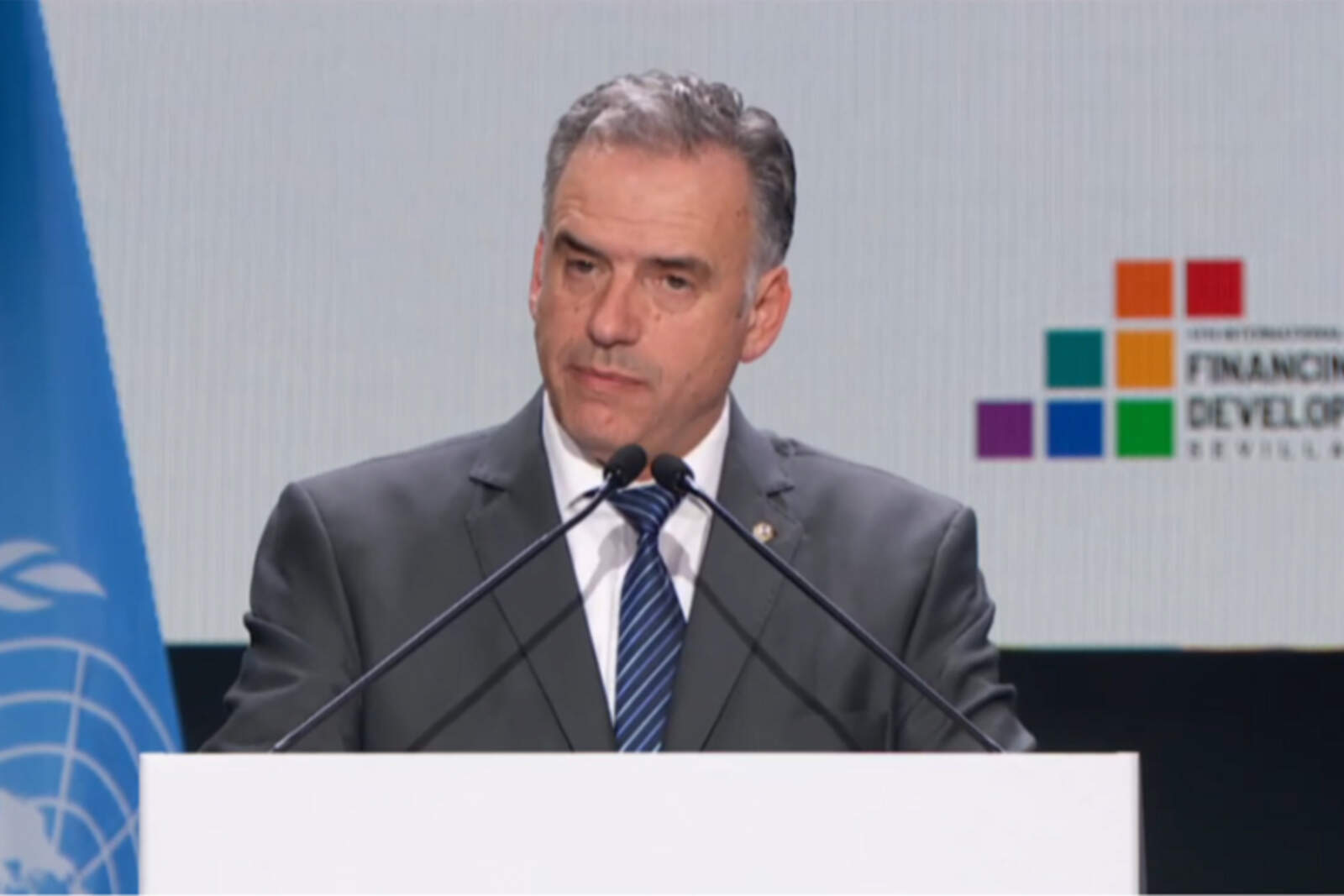

President Yamandú Orsi once again presented himself as an enthusiastic supporter of the United Nations 2030 Agenda, highlighting next weekend, during the launch of the Sevilla Platform, that "one third of the 2030 Agenda has been fulfilled." The statement aims to convey optimism, but it exposes the real problem: a country that remains tied to an international program designed far from its realities, priorities, and needs.
Orsi celebrated that "there are people who managed to get out of the situation they were in", as if the results were the merit of costly state plans promoted under the banner of the 2030 Agenda. The reality is that this progress, where it exists, has been possible thanks to the efforts of individuals and companies who overcome, on a daily basis, the bureaucratic and regulatory obstacles that these same globalist frameworks promote.
You may also be interested in this historical overview of figures who shaped Uruguay's recent past.
The Sevilla Platform was presented as an "act of optimism," in Orsi's words. However, behind that optimism lies the same model that has already failed: more international commitments, more reports, more forums, and fewer concrete solutions for a country that needs fewer speeches and more economic freedom.