
Uruguay has just approved euthanasia. Not as a marginal ethical debate, but as a "progressive" achievement, celebrated by the same people who for years have drained the healthcare system, degraded human dignity, and worshipped the idea that the State should decide who lives and who dies.
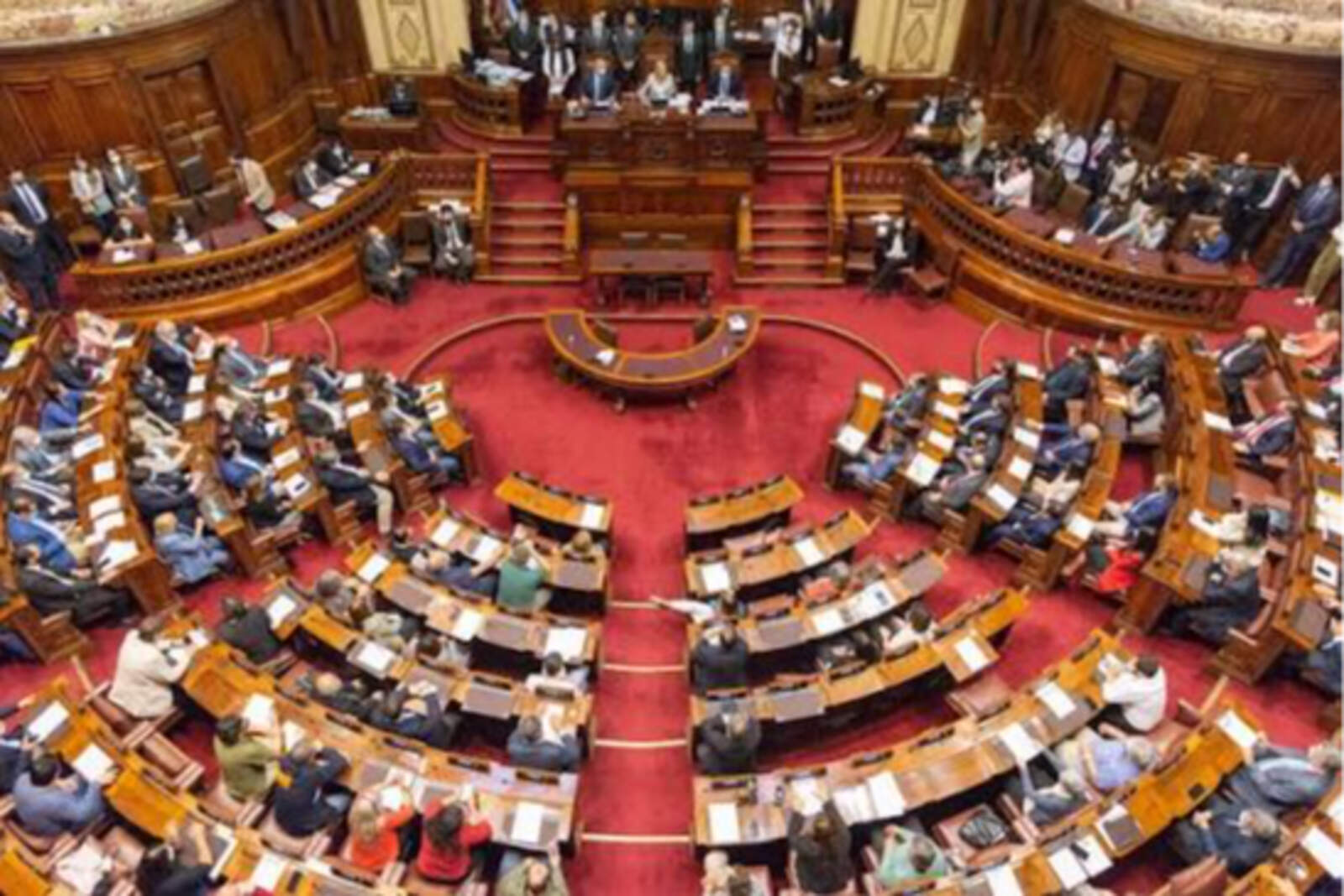
The Senate, with 20 affirmative votes, turned the so-called "dignified death" into law, authorizing doctors to end the life of a patient with an incurable disease or "unbearable" suffering. However, behind the humanitarian disguise lies the same bureaucratic and nihilistic impulse that has already devastated Canada: that of a society that gives up caring, to learn to eliminate.
You may also be interested in...
From compassion to disposal
The official discourse repeats that this is an act of compassion, of respect for autonomy. However, what autonomy does a patient abandoned in an overcrowded public hospital have, without medication or palliative care?
Euthanasia thus appears as the cheap way out of an expensive problem: caring.
What this law truly celebrates is not individual freedom, but the State's surrender to its own healthcare failure. The same State that doesn't guarantee a bed now promises an injection.
Canada's case should serve as a warning. There, "medical assistance in dying" (MAiD) began as a tragic exception. Today, it is a state routine. Thousands of Canadians have requested euthanasia not because of unbearable physical pain, but because they can't pay for heating, can't get a wheelchair, or the healthcare system condemns them to an endless wait. Compassion has turned into a budget calculation.
Who promotes death? The State itself. The same one that first impoverishes, then abandons, and finally offers a painless way out for its own moral failure. It is the executioner's mercy.
You may also be interested in...
The "culture of death" with a bureaucratic stamp
In Canada, the State trains doctors to offer death as a public service.
In Uruguay, speeches about the "right to relief," "sovereign decision," and "freedom to die" are already being heard. However, what is really at stake is not freedom, but the moral hierarchy of a society: do we defend life or replace it with a procedure?
Uruguayan progressivism has enthusiastically embraced the culture of death, as if civilization were measured by the number of laws that remove moral boundaries. It is no longer enough to relativize family, sex, or homeland: now they relativize life itself.