Army agents testify and the hypothesis of a plan to simulate a suicide is reopened
Compartir:
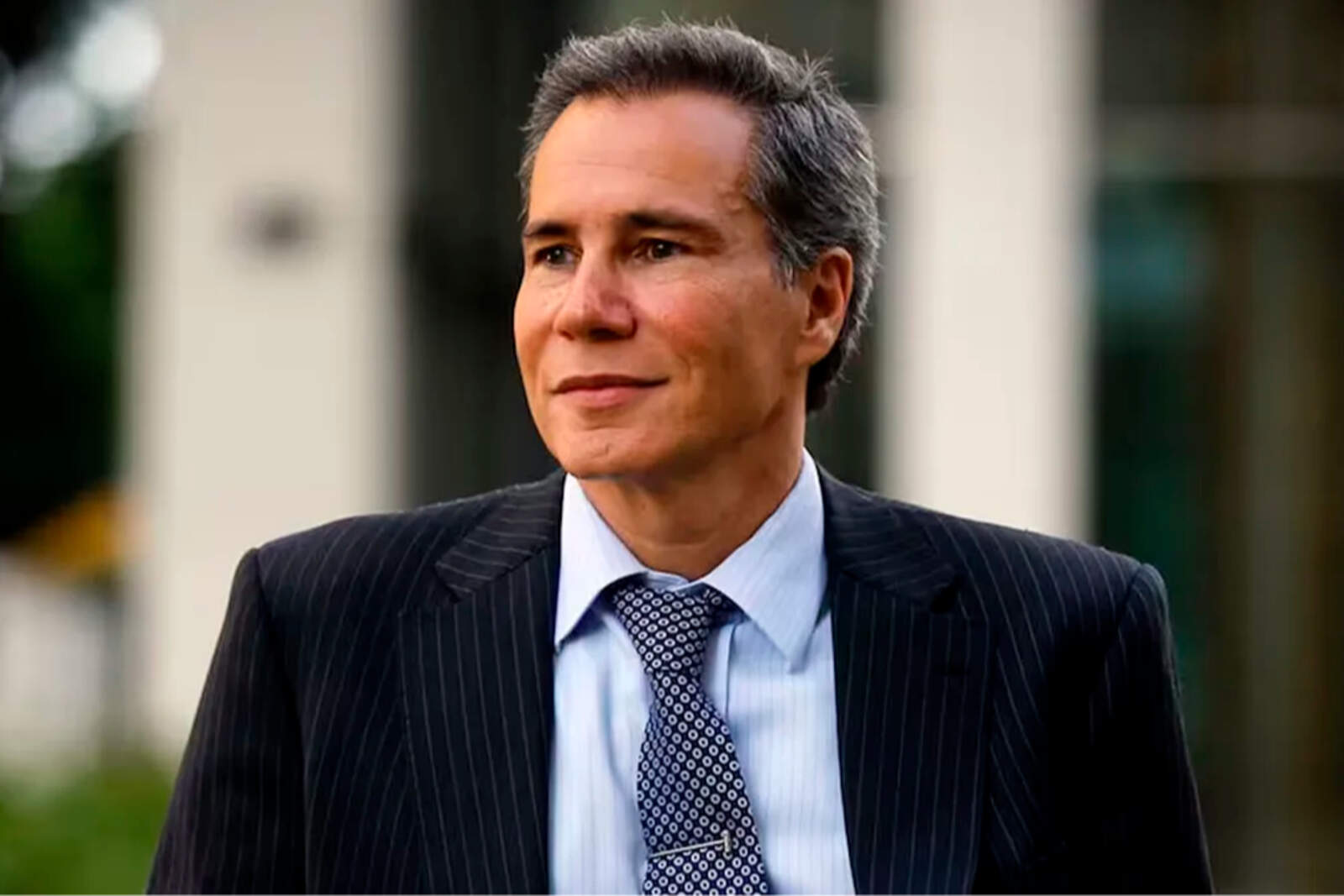
Eleven years after the murder of prosecutor Alberto Nisman, the federal judiciary is deepening one of the most sensitive lines of the case file: the possible involvement of illegal intelligence structures and a political-judicial network that allegedly sought to cover up the crime and divert the investigation toward the suicide hypothesis.
Today, for the investigators, it has been proven that Nisman was murdered directly because of his role. The prosecutor was preparing to appear before Congress and expand his complaint against then-president Cristina Fernández de Kirchner and officials in her administration over the Memorandum with Iran, signed in the context of the AMIA bombing that left 85 dead in 1994.
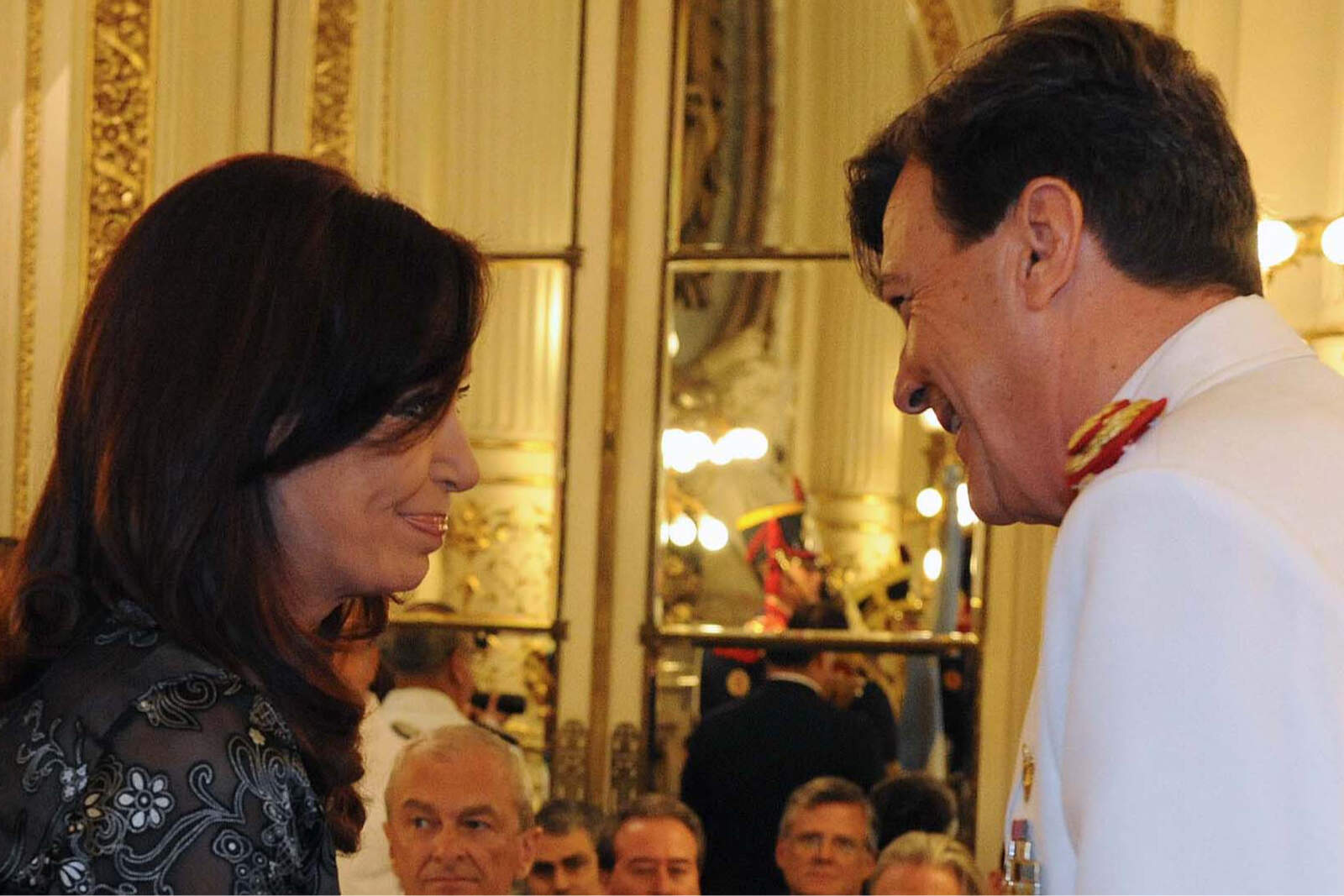
Cristina Fernández de Kirchner con César Milani.
In recent months, agents from the Army's operational intelligence area who were on duty in 2015 began to testify. At least 15 personnel have already testified under protected identity. The focus is on a small group whose phones were geolocated in the vicinity of the Le Parc complex in Puerto Madero during the weekend when the prosecutor's body was found.
According to judicial sources, the suspicion is clear: at a minimum, internal intelligence tasks that are prohibited by law would have been carried out. The chain of command, the operational movements, and the orders received during that period —when the Army was under the command of César Milani— are now the subject of exhaustive analysis.
In parallel, the case is moving forward on a second, even more sensitive line: the political and judicial responsibilities after the crime. The hypothesis keeps that there was a "criminal plan" aimed at preventing the homicide hypothesis from prevailing, through a deliberately deficient investigation, with loss of evidence, irregular decisions, and institutional deviations.
In that context, the questioning of Viviana Fein, the case's first prosecutor, is scheduled for the end of February. She has been charged over the lack of control at the crime scene and the failure to preserve key evidence. The then-Minister of Security, Sergio Berni, federal force chiefs, and officials who intervened in the first hours after the prosecutor's death have also been charged.
The investigation is being led by prosecutor Eduardo Taiano and is proceeding under the jurisdiction of Judge Julián Ercolini. From there, it is maintained that the AMIA bombing, the Memorandum with Iran, and Nisman's murder are part of the same pattern of state cover-up.
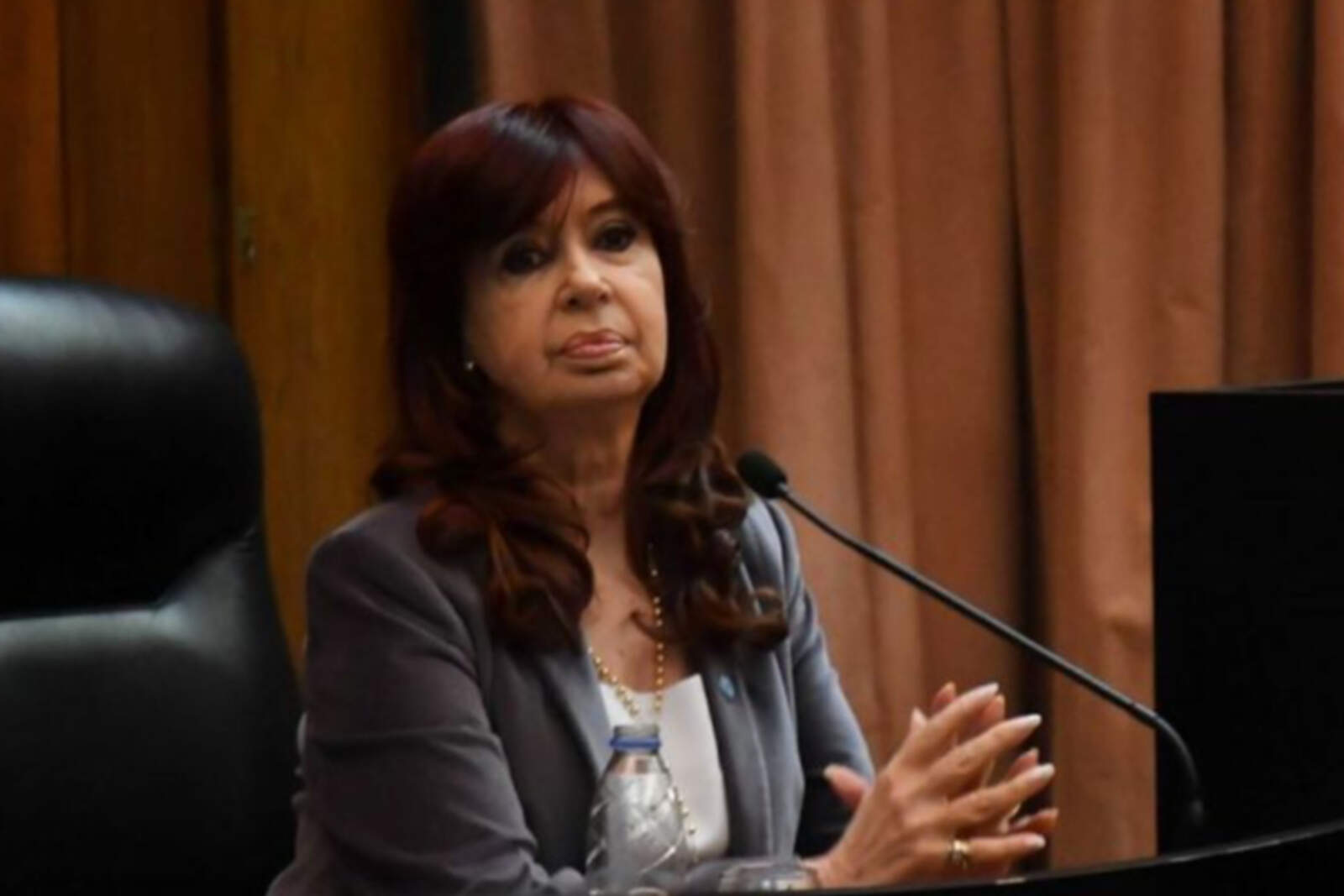
Cristina Kirchner.
In 2018, the Federal Court of Appeals definitively ruled out suicide and endorsed the murder hypothesis, in line with the Gendarmerie expert report. However, more than a decade later, it is still unknown who carried out the crime and who ordered it. So far, the only person indicted in the case is IT specialist Diego Lagomarsino, the owner of the weapon used.
Last year, President Javier Milei ordered the declassification of intelligence files related to the period prior to the prosecutor's death, a key decision to break with years of opacity and move forward on political responsibilities that remained shielded during Kirchnerism.