Chile eliminates funding for gender identity and the Salvador Allende Foundation in the 2026 budget
Compartir:
The debate on the 2026 Budget in Chile exposed a significant political defeat for the government coalition. Several programs labeled as ideological were left entirely without funding after being rejected in both chambers.
The most relevant cut is the complete elimination of funds for the gender identity program. In addition, resources for the Salvador Allende Foundation and multiple memory sites were frozen. Among them are Casa José Domingo Cañas, the Corporation of Former Political Prisoners of Pisagua, the Memory Sites Fund, and the National Stadium as a memory space. The National Youth Institute was also left without funding.
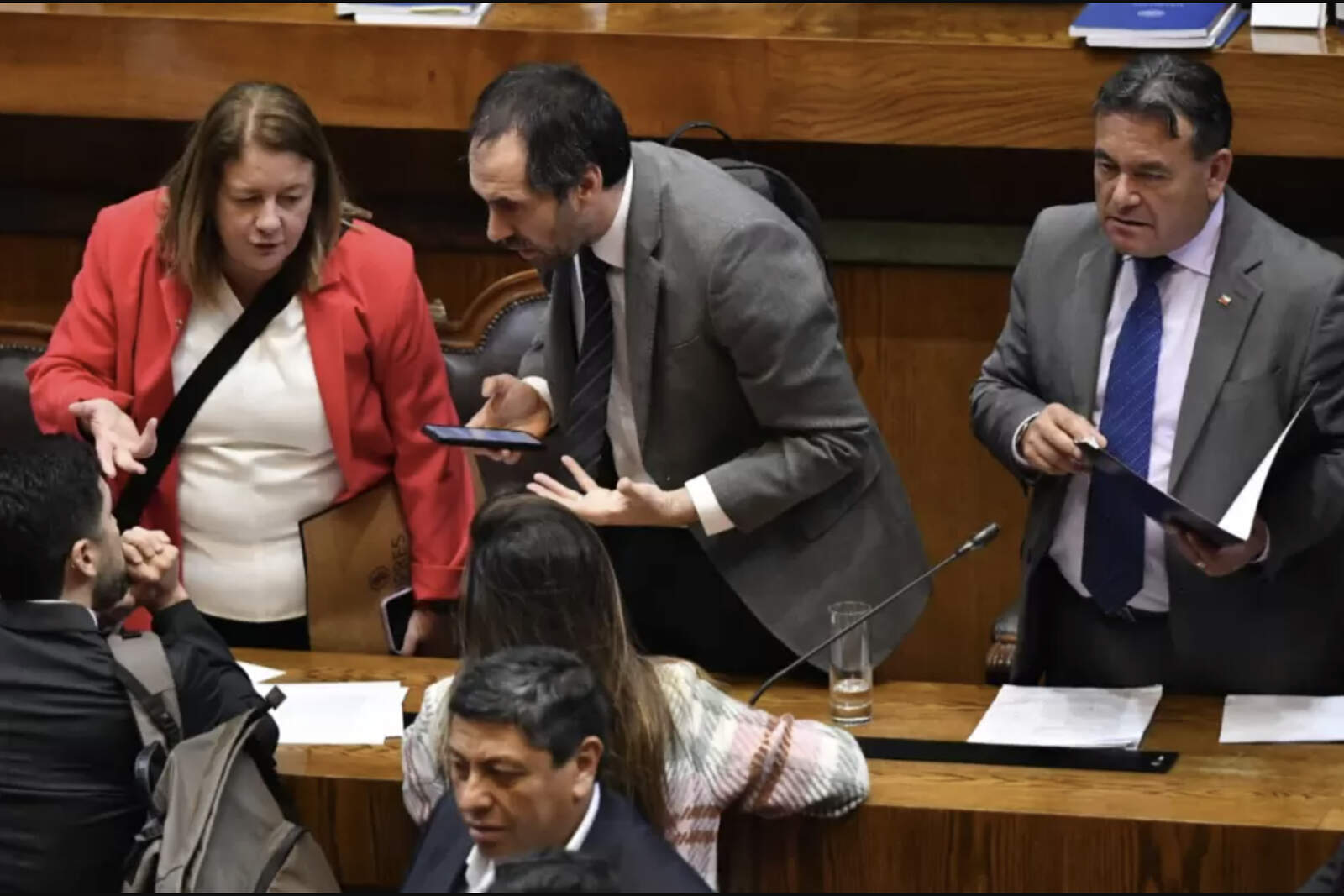
La comisión mixta debera votar 14 ítems del presupuesto chileno
These rejections mean that all those items must now go to the Joint Committee, which will meet this Wednesday. In that space, the Ministry of Finance will attempt to recover the eliminated resources, although the legislative outlook doesn't guarantee the necessary votes to reverse the result already reached in the Chamber of Deputies and the Senate.
The Minister of Finance, Nicolás Grau, anticipated that he will make a new attempt to reinstate the funds. “This Budget brings support to a group of memory sites. (...) These are places where disappearances, murders, and torture were committed.”
During the presentation of the project, he added: “They are essential so that new generations can know what happened and we can have a high-level conversation so that those horrors are never repeated.”
However, Congress made it clear that those ideological agendas used for indoctrination no longer have political consensus or sufficient budgetary support today.
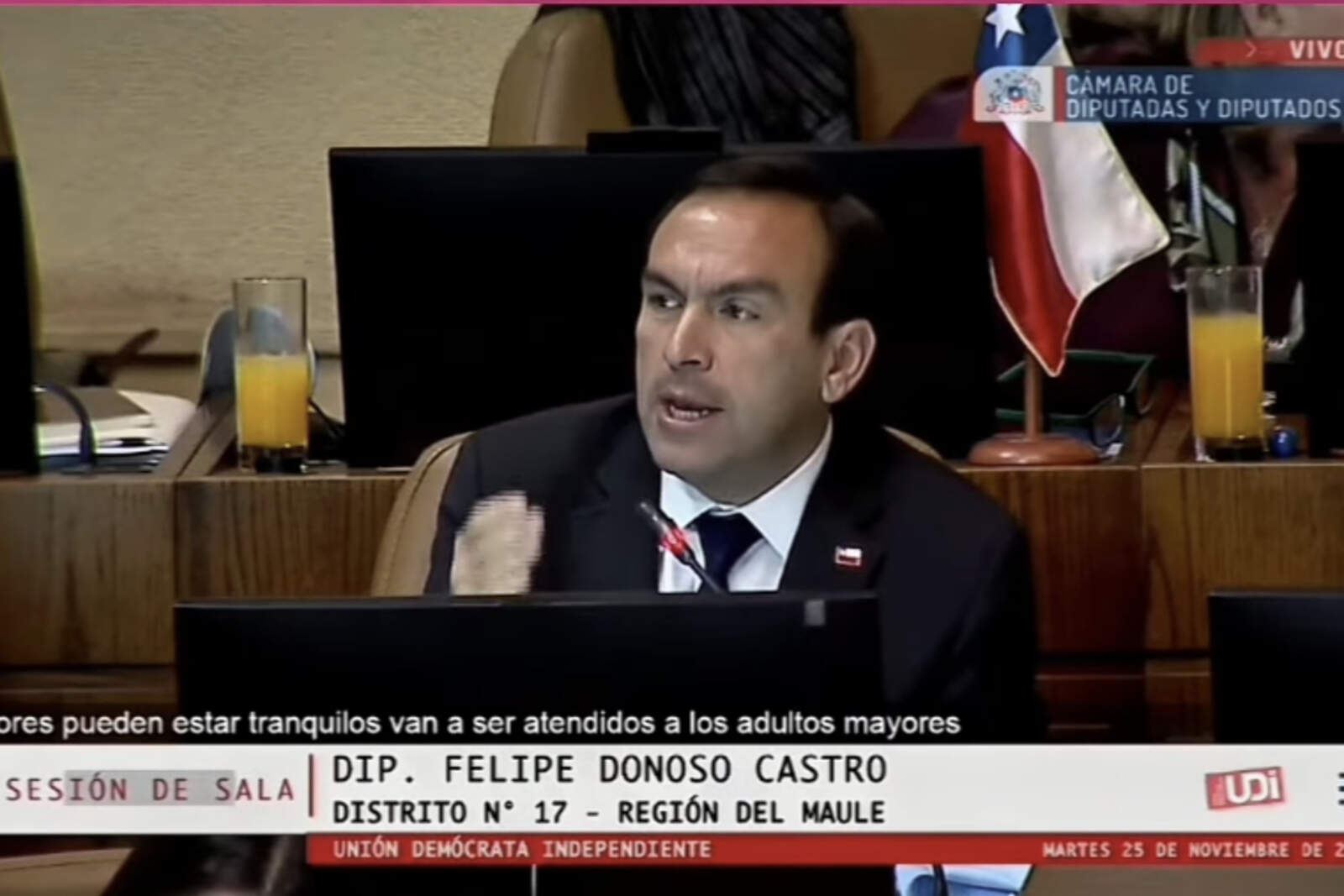
Felipe Donoso, legislador de derecha (UDI)
From the opposition, the budget assessment was not very positive. Deputy Felipe Donoso, from UDI, stated that there was “a bitter feeling” because in his view the Government “did not open up to adjusting its income projections or its expenditures either.”
For him, the real test of fiscal responsibility will come when the 2025 closing is known. “If the figures do not match the projections, we will hold Minister Grau politically accountable,” he warned.
A political signal: cut to gender identity
To ensure the project's approval in the Senate, the Government accepted a series of commitments that were reflected in 74 measures distributed across 14 areas. Among the changes, the strengthening of the Self-Reliant Senior Adult program and the reinforcement of primary care with an additional $15,000 million stood out. It was also agreed that Fonasa would pay for all services under the Emergency Law before December 31.
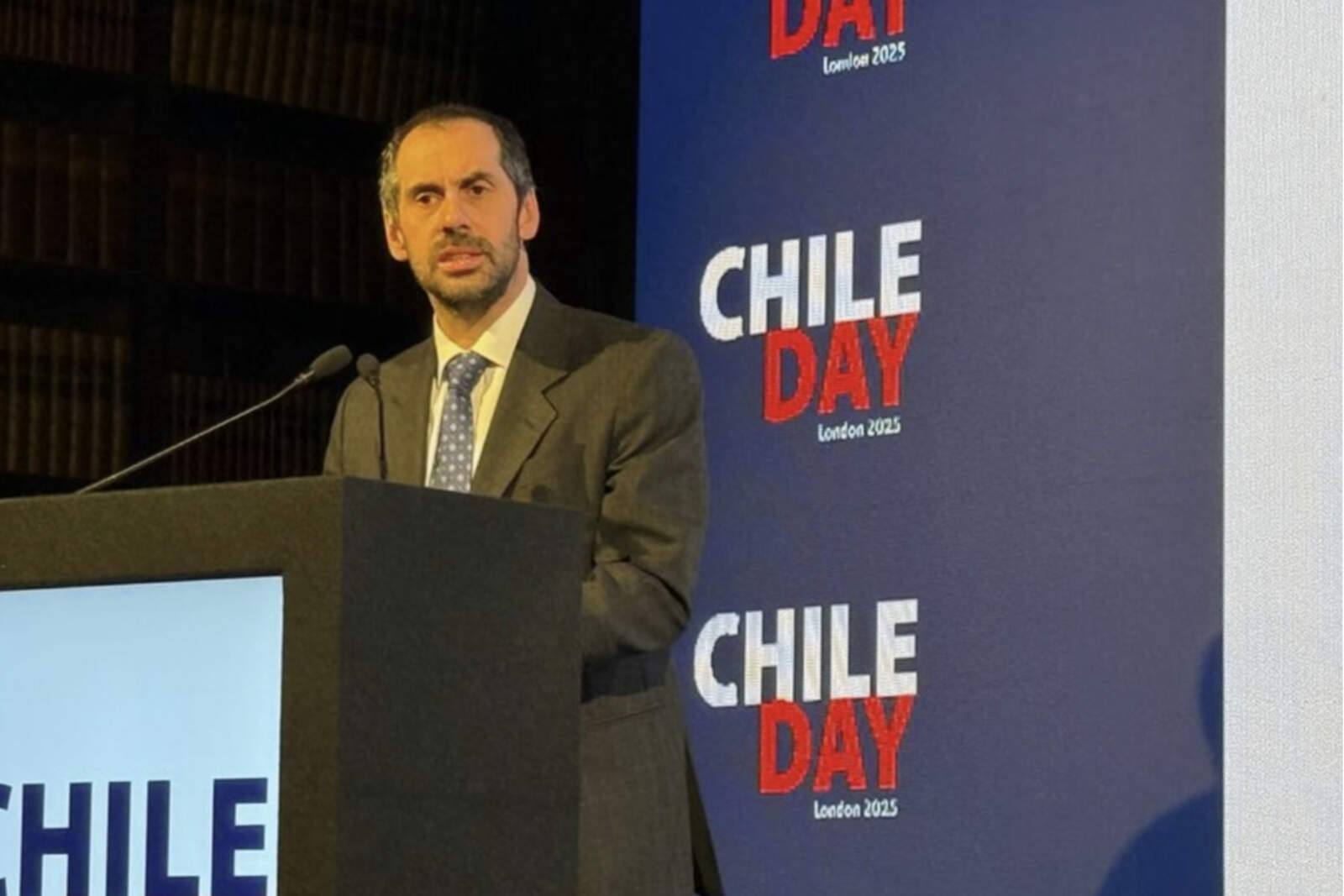
Nicolas Grau, Ministro de Hacienda chileno
Beyond technical adjustments and cross-party agreements, the central political fact is that the 2026 Budget introduces the most significant cut in recent years to gender identity and historical memory initiatives. These programs, which until now had received sustained funding, were exposed to a legislative shift that prioritized fiscal coherence and concentrated resources in priority areas. Expenditures responding to political agendas have ended.
The Joint Committee must now decide whether those programs will continue without funds or whether the Ministry of Finance will manage to reverse a scenario that exposed the government coalition's parliamentary wear and a clear change in Chile's budgetary priorities.