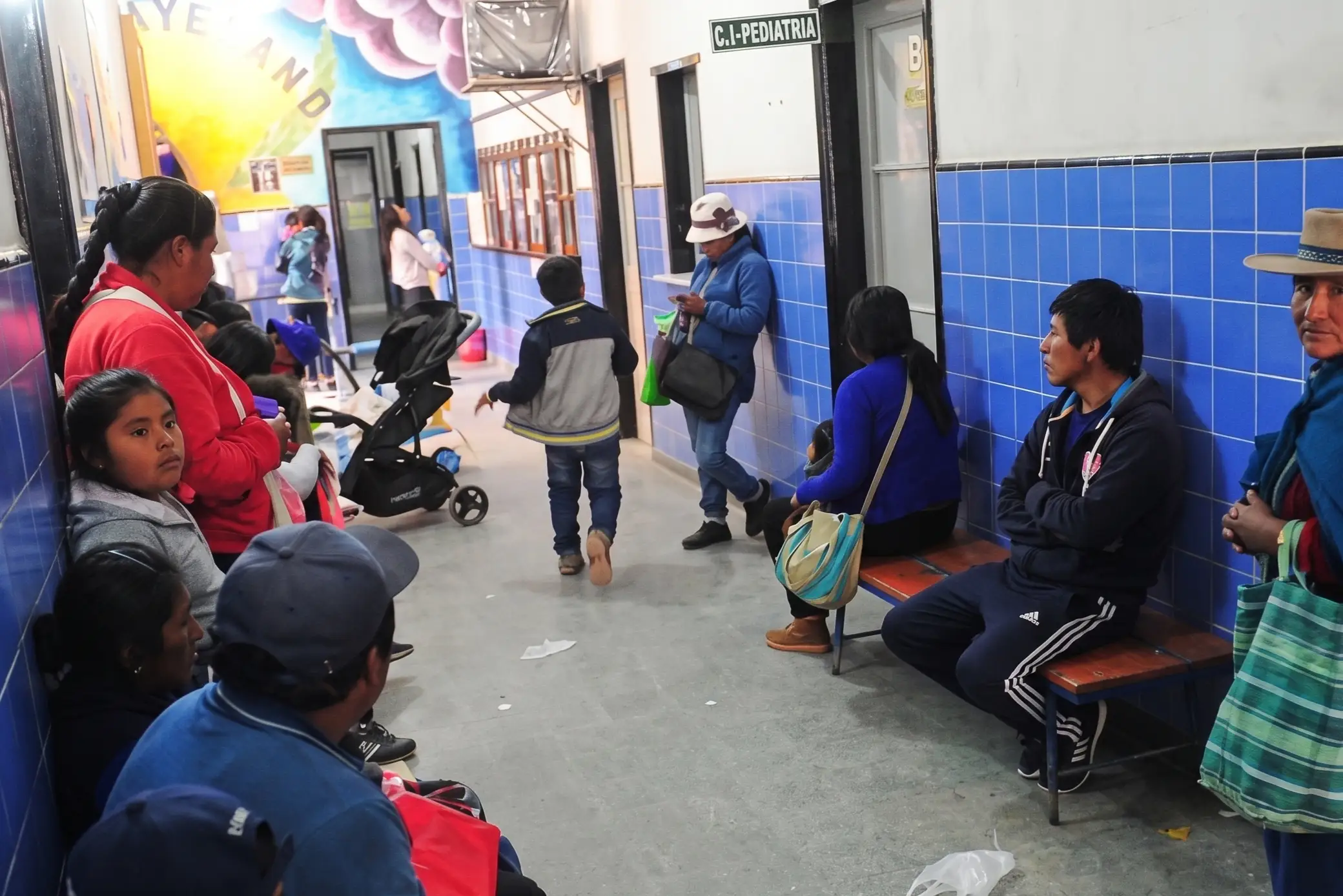
The data reveal that the majority of arrivals by sea and land correspond to men between 18 and 34 years of age, consolidating a predominantly young migratory profile of North African origin.
Spainis undergoing a significant transformation in the composition and characteristics of irregular migratory flows, marked by a sustained increase in young profiles, mostly male and coming from North Africa and regions with a strong presence of jihadist networks, according to Frontex data also collected by UNHCR. During 2025, more than 37,000 illegal immigrants entered the country by sea and land. This figure, although close to that released by the Ministry of the Interior, represents a difference of almost 300 cases compared to official government records, which shows inconsistencies in the accounting of flows
.
One of the most sensitive — and least transparent — aspects of public discourse — is the origin of these immigrants. According to detailed Frontex data, one in four does not flee armed conflicts, but rather responds to economic motivations. In terms of nationalities, Algeria topped the list, representing about a third of illegal entries. It was followed by the citizens of Mali, with approximately 17%. The ranking is completed by Senegalese, Moroccans and Guineans as the most
frequent groups. More than 40% of illegal immigrants in Spain in 2025 were young Maghrebi men
Route analysis reinforces this trend. In the Peninsula, across the Western Mediterranean, more than 72% of arrivals were of Maghrebi origin: Algerians accounted for 54% and Moroccans for 18.5%. At the same time, there was significant growth in the number of Somalis, who went from residual numbers to 8.3% of inflows. In the Canary Islands, along the Atlantic route, Senegalese and Malians predominated, who together accounted for almost 60% of the total.
The predominant profile is particularly relevant: more than 40% of illegal immigrants who arrived in Spain were young men between 18 and 34 years old, mainly of Maghrebi origin - especially Moroccans and Algerians -, according to Frontex and the State Security Forces and Bodies.
In addition, many of the migrants from Mali and Somalia come from territories under the influence of jihadist networks, which introduces a direct risk factor for national security.
This phenomenon is not an isolated one. Between 2020 and 2025, European authorities detected more than 30,000 illegal arrivals of immigrants from areas with a high jihadist presence, including Mali, Burkina Faso, Somalia, Sudan, Syria, Pakistan, Afghanistan, Yemen, Iran and Egypt. These figures correspond exclusively to routes that directly impact Spain: the Western Mediterranean (Andalusia, Levante, Balearic Islands, Ceuta and Melilla) and the Atlantic route to the Canary
Islands.
The evolution of these profiles shows a clear trend. In 2020, they represented 11% of the total (1 in 9). In 2022, they amounted to 18%, and in 2024 they reached 30%, that is, 1 in 3 illegal immigrants came from high-risk areas. In 2025, although the total volume declined, the percentage remained high at 24.8% (1 in 4)
.
Mali stands out as the main country in this group, with exponential growth between 2022 and 2024. Significant increases were also registered in Somalia, where Al Shabaab is still active, Sudan and Burkina Faso, along with constant flows from Syria, Pakistan, Afghanistan, Yemen, Iran and Egypt.
All these regions share the active presence of terrorist organizations such as Al Qaeda in the Islamic Maghreb or the IslamicState in the Sahel, in addition to high levels of radicalization.
The routes used by these networks are known and consolidated. The Canary Islands remain a critical point along the Atlantic route, while Andalusia, the Levant and the Balearic Islands concentrate maritime arrivals from the Western Mediterranean.Ceuta and Melilla, on the other hand, continue to be key land access points. The human trafficking mafias that operate on these routes do not apply any type of filter: whoever pays, passes
. More than 40% of illegal immigrants in Spain in 2025 were young Maghrebi men
Sources from the General Commissioner for Foreigners and Borders (CGEF) of the National Police warn that “irregular routes in the SAHEL and the Maghreb are increasingly used by individuals with profiles that generate alerts of radicalization, taking advantage of the permeability of mass flows to infiltrate economic immigrants”. They also point out that “coordination between the CGEF and the General Information Commissioner has made it possible to identify and neutralize several cases in which people arriving by boat or Cayuco had a history or links with jihadist environments”.
In this context, the migration policy implemented over the past six years by the Government of Pedro Sánchez is directly linked to the increase in flows.
Massive regularizations, transfers from the Canary Islands to the Peninsula and a widespread perception of permeable borders have shaped a so-called sustained effect.
Frontexreports reflect a complex reality: the risk of jihadist infiltration grows in parallel with a control system with minimal expulsions and security procedures that, in many cases, are insufficient or excessively slow. The evolution is overwhelming: from 11% in 2020 to 30% in2024, with a slight drop to 24.8% in 2025. Far from being a short-term phenomenon, the data show a structural trend that is consolidated over time and that coincides with the current