The Government of Javier Milei has confirmed that it will move forward with the partial privatization of Nucleoeléctrica Argentina S.A, the state-owned company that manages the nuclear power plants Atucha I, Atucha II, and Embalse, with the goal of eliminating its enormous deficit and promoting the development of the Argentine nuclear sector.
According to official projections in the 2026 Budget, Nucleoeléctrica will record revenues of $851,039.2 million in 2026, mainly from the sale of electricity to the Wholesale Electricity Market, but will have expenses of $979,169.4 million for maintenance and operation.
The negative financial result amounts to -$226,635 million, making it the company with the largest deficit within the national public sector, ahead of Aerolíneas Argentinas (-$120,654.5 million), SOFSE (-$66,563.7 million), AySA (-$43,338 million), and Corredores Viales (-$35,760.5 million).
Other state-owned companies with significant deficits are EANA (-$21,636.3 million), Radio y Televisión Argentina (-$8,355.9 million), Belgrano Cargas y Logística (-$5,811 million), and Fabricaciones Militares (-$2,062.4 million).
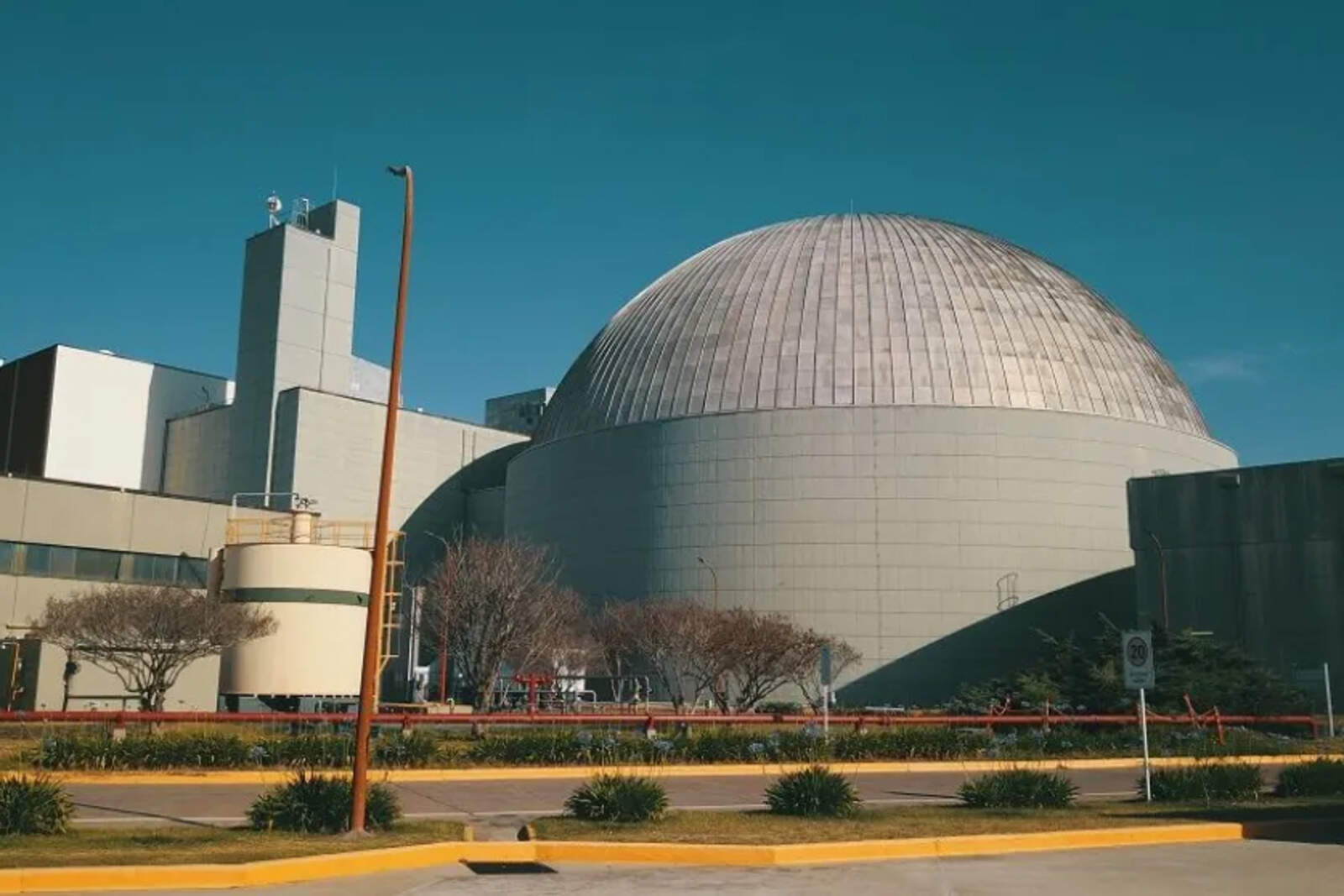
Central nuclear argentina.
Milei Government's privatization plan
In light of this situation, presidential spokesperson Manuel Adorni emphasized at a press conference that President Javier Milei will move forward with the partial privatization process of the company. “The decree that initiates the partial privatization process of Nucleoeléctrica Argentina S.A., a company included in the Bases Law as one of those subject to privatization, will be signed,” the official stated from Casa Rosada.
The official plan includes the sale of 44% of the shares in a block through a national and international public tender, along with a participatory ownership program that will reserve up to 5% of the share capital for workers. The remaining 51% will remain in the hands of the national government, ensuring majority control.
Milei's government justified the measure based on the strategic objectives of the Argentine nuclear plan. The decision responds to the need to "promote private investment within the sector with the goal of achieving the construction of the first Argentine modular reactor, extending the life of our plants, boosting uranium mining, among other issues," they emphasized.
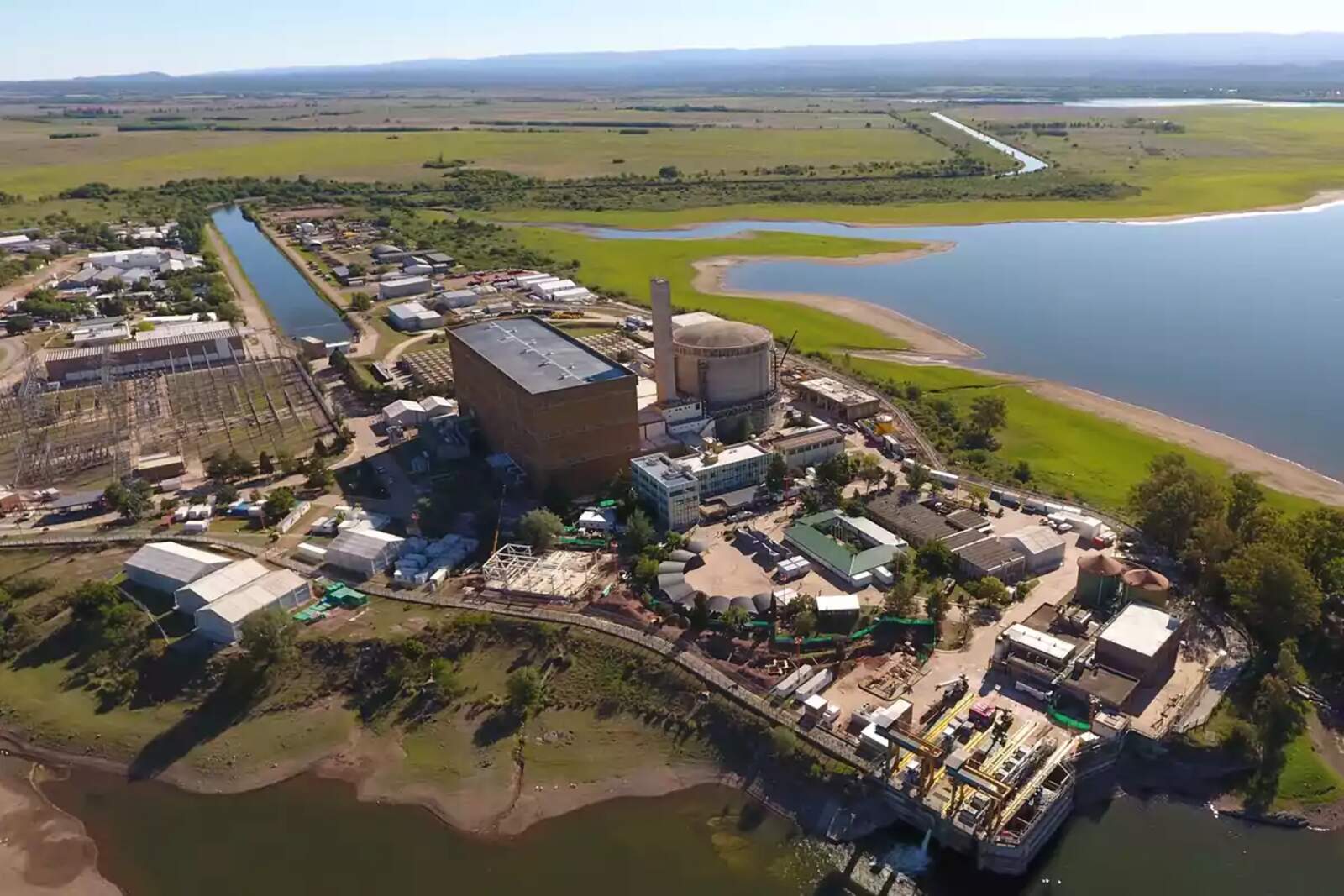
Central nuclear argentina.
Arguments in favor of privatization
The privatization of the company would be the best solution for its problems. First, the entry of private capital would finance large-scale projects that the government would hardly be able to afford alone, especially in a context of fiscal constraints, saving taxpayers billions of pesos.
In addition, private participation would introduce efficiency criteria and business management that would help reduce costs and optimize resources in an industry that is highly demanding in terms of technology and maintenance.
Meanwhile, there is also the opportunity to access technology and specialized knowledge through the potential participation of foreign companies with experience in nuclear energy. This way, Nucleoeléctrica could be better positioned in innovation projects, such as small modular reactors, which currently represent a global trend.
The partial privatization announced by the Government aims to send a signal of confidence to international markets, by presenting Argentina as a country willing to create a predictable and attractive framework for investment in strategic sectors.
For these reasons, the privatization of Nucleoeléctrica could not only eliminate the enormous deficit that the state-owned company has been carrying, but is also a key step to promote the development of the Argentine nuclear plan and ensure that the country has the capacity to expand its energy matrix with cutting-edge technology.