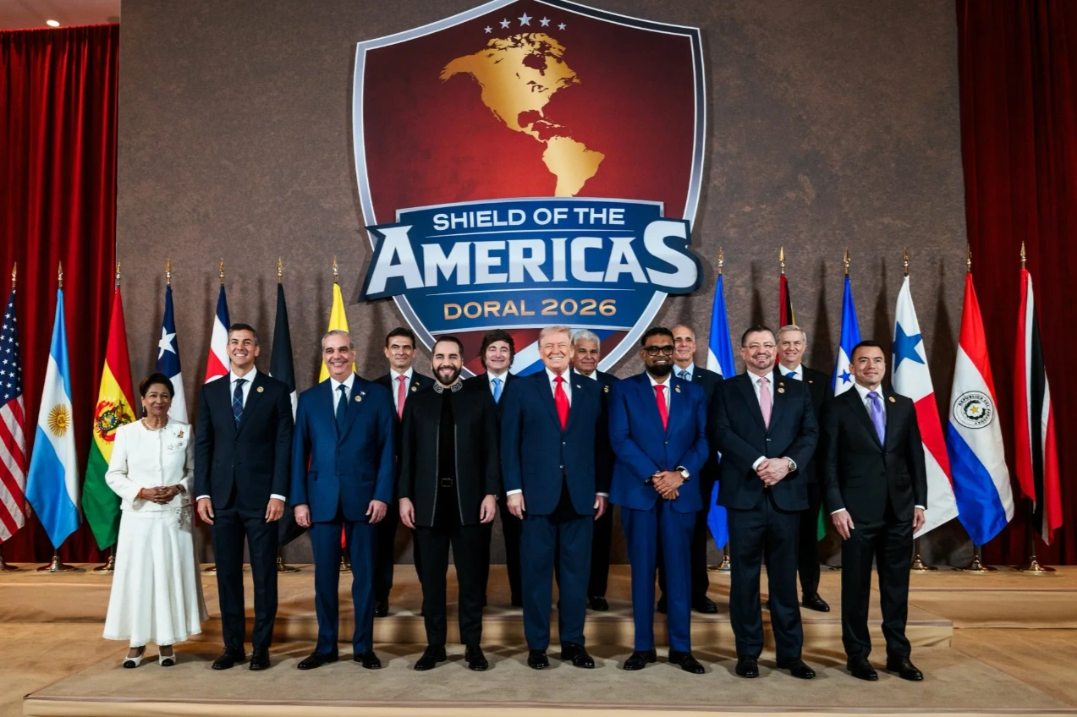
Donald Trump's strategy against cartels and terrorism dominates the debate at the Conference on Hemispheric Security, with a strong focus on regional cooperation.
The new anti-terrorist strategy promoted by the President of the United States, Donald Trump, became the central axis of the Conference on Hemispheric Security that is being held at Florida International University together with the Tadea Foundation.
The meeting brings together officials, experts and regional leaders to discuss the advance of organized crime in Latin America and the coordinated response to increasingly complex threats.
A plan that puts organized crime as a priority
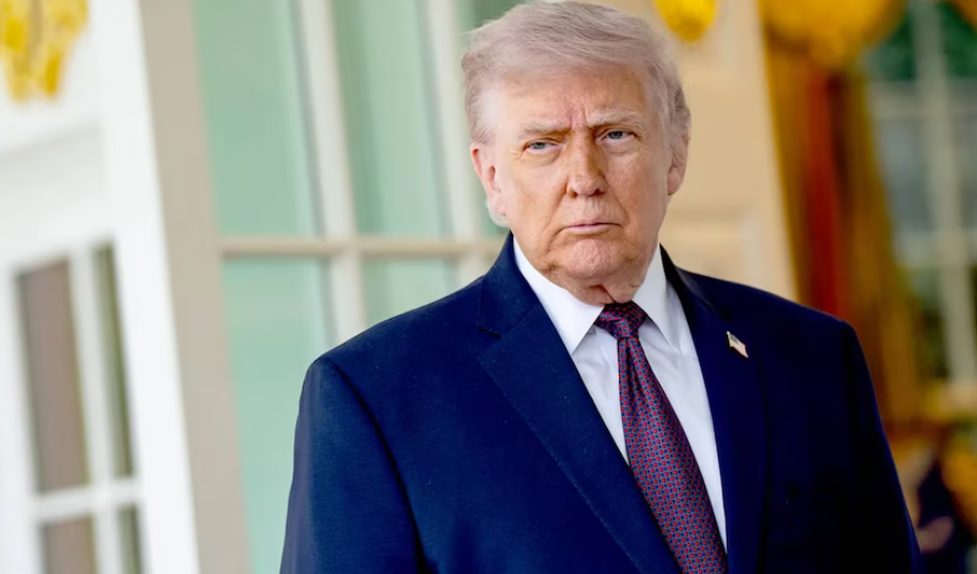
Trump announced a strategic plan that places the elimination of drug cartels as an absolute priority in terms of security
.
“We will not allow the cartels, jihadists or the governments that support them to conspire against our citizens with impunity,” said the president.
The initiative is not limited to drug trafficking, but rather broadens the focus on international terrorist organizations and their funding in the region.
The jihadist danger in Latam
The connection between terrorism and drug trafficking
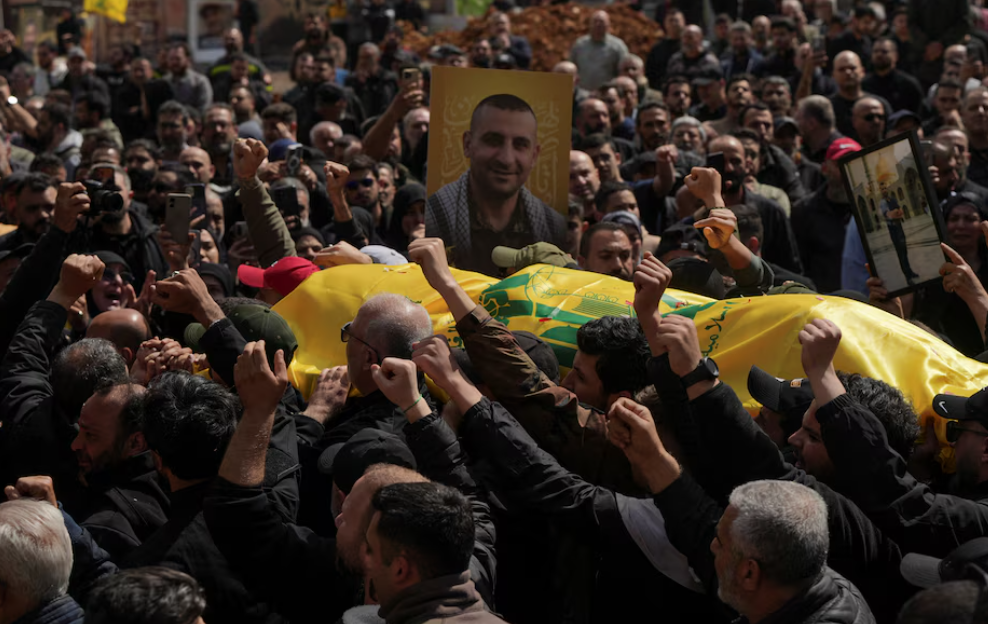
One of the key points of the debate is the relationship between terrorist groups such as Hezbollah and
criminal networks in Latin America.
According to the US administration, these organizations operate through:
Money Laundering
Drug Trafficking
Illegal networks in countries such as Brazil, Colombia and Mexico
This hybrid crime scheme represents a direct threat to regional and global security
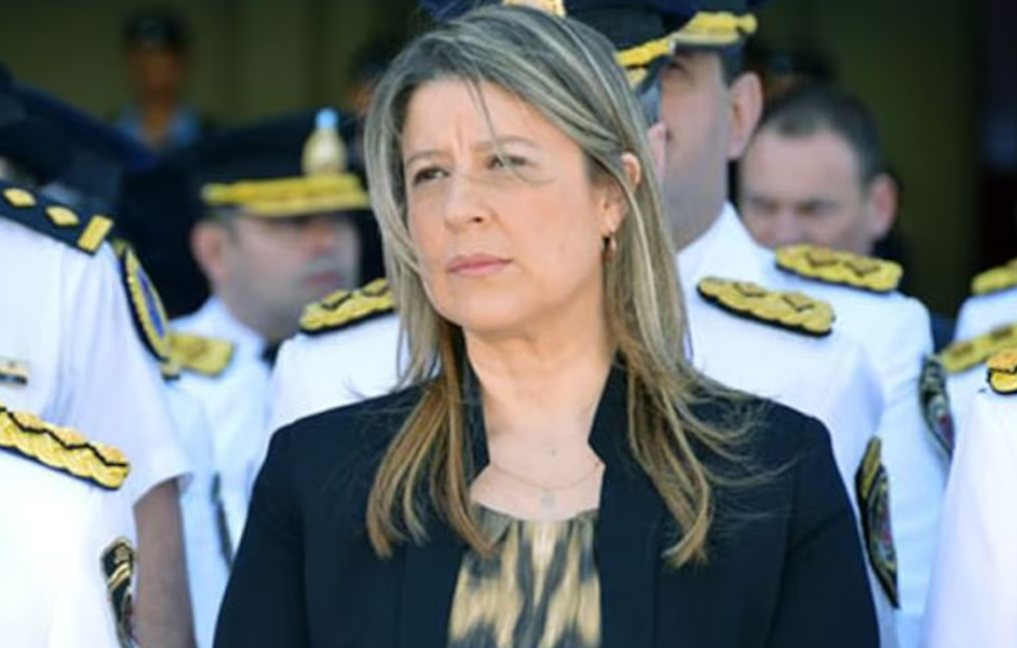
. Monteoliva, Minister of Security of Argentina
Argentina, aligned with the security strategy The participation of the Minister of Security
, Alejandra Monteoliva, generates
expectation at the meeting.
The government of Javier Milei maintains a strategic alliance with the United States, which translates into cooperation in security, intelligence and the fight against organized crime.
This alignment reinforces Argentina's role within the hemispheric scheme promoted by Washington.
The United States redefines its strategic priority
U.S. Officials emphasized that Latin America has come to occupy a central place in defense policy
.
From the White House, they emphasize that the Western Hemisphere is now the number one priority, in a context marked by:
The expansion of organized crime
The influence of China in the region
Russia's operations through allies such as Cuba and Nicaragua
Trump sets the regional security agenda
Security, sovereignty and regional cooperation
Trump's approach also proposes a conceptual change: the United States positions itself as a strategic partner, but not as an exclusive guarantor of
security.
This implies that countries in the region must strengthen their own capacities to face internal and external threats.
A new scenario for Latin America
The Conference on Hemispheric Security makes it clear that the region is going through a moment of redefinition in terms of
security.
The combination of terrorism, drug trafficking and geopolitical dispute forces us to rethink strategies and alliances.
In this context, the plan promoted by Trump seeks to consolidate a common front that reinforces regional stability and limits the progress of actors that operate outside the law.