Sovereign bonds in dollars also accompanied the positive climate, with average increases of 1.1%. In this context, country risk fell by 42 points and closed at 570 units, after reaching an intraday low of







The agreement between the US and Iran triggered a global rally that favored Argentina.
Sovereign bonds in dollars also accompanied the positive climate, with average increases of 1.1%. In this context, country risk fell by 42 points and closed at 570 units, after reaching an intraday low of





The movement responds, to a large extent, to an improvement in the global appetite for risk, driven by the reduction of tensions in the Middle East and the expectation that the Federal Reserve can resume a path of lower rates in the face of lower inflationary pressures resulting from the decline in oil.
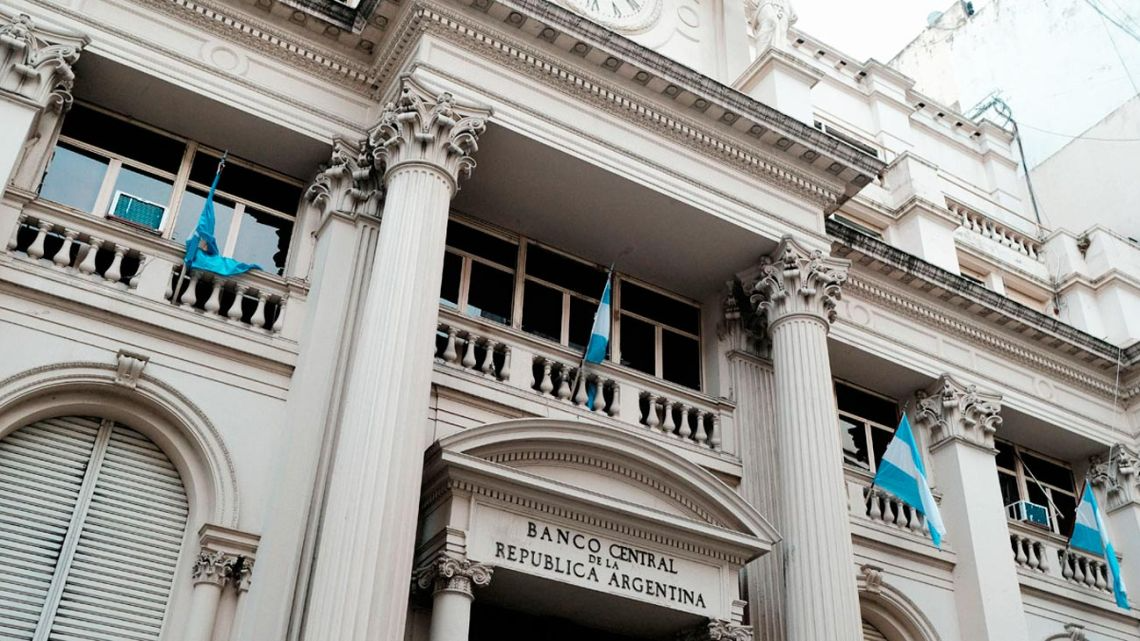
In the foreign exchange market, the wholesale dollar fell 0.4% and closed at $1,387.50, on a day with higher supply towards the end of the round. The retail dollar also fell to $1,410 at Banco Nación, while the blue dollar stood at $1,390, consolidating a downward trend so far this year
.For its part, the Central Bank once again intervened with purchases of USD 102 million, absorbing about 24% of the market supply. Gross international reserves increased by USD 308 million, reaching USD 44.75 billion, also benefited by
the rise in gold.Financial markets recorded a day of strong global recovery this Wednesday, in a context marked by geopolitical detente following the agreement between the United States and Iran for a two-week ceasefire. This change in the international scenario led to a general improvement in risk assets, with a direct impact on Argentina
.The world's leading stock markets traded at significant increases. On Wall Street, indices rose between 2.5% and 2.9%, while in Europe, gains of up to 5% were seen. This rebound was accompanied by a collapse in oil prices, which fell to 15% as the Strait of Hormuz, a key route for global energy trade, would reopen
.
At the local level, the S&P Merval advanced 1.3% in pesos, in a circle where the greatest dynamism was seen in Argentine ADRs listed in New York. Banking papers led the increases: Supervielle climbed 7.4%, Banco Macro 7.1% and Grupo Galicia 5%. Mercado Libre also stood out, with an increase of 1.9%
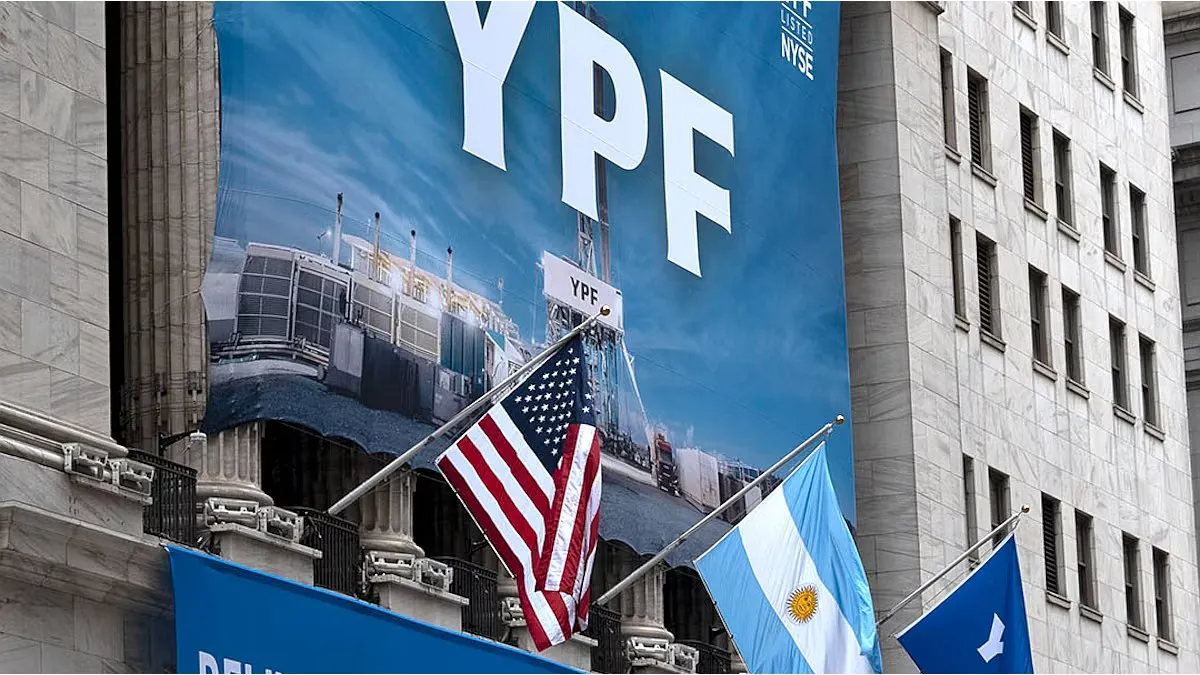
.In contrast, stocks linked to the energy sector were affected by the fall in crude oil. Vista Energy fell 6.5%, while YPF fell 1.6% and Tenaris fell 1.3%, reflecting the direct impact of the drop in oil on its valuations