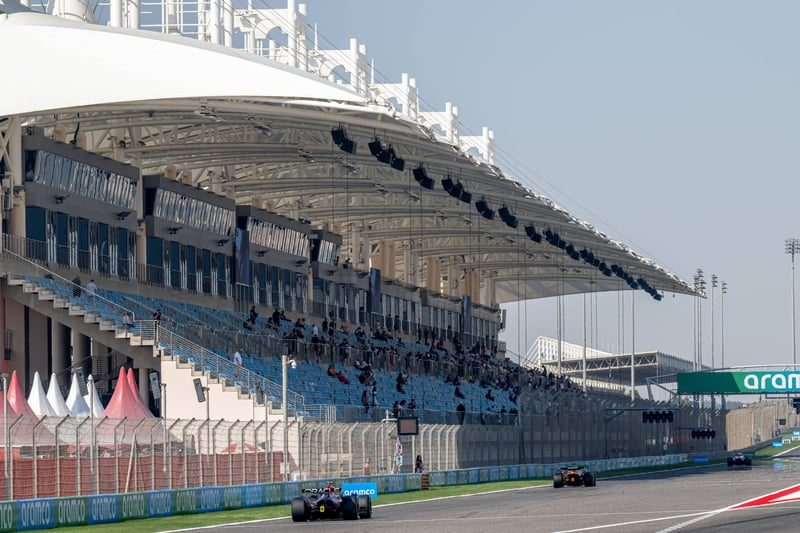
The FIA's exceptional measure seeks to compensate for logistical delays following the war escalation that altered flights and transfers to Melbourne
Nuevo
Agregar La Derecha Diario en
Compartir:
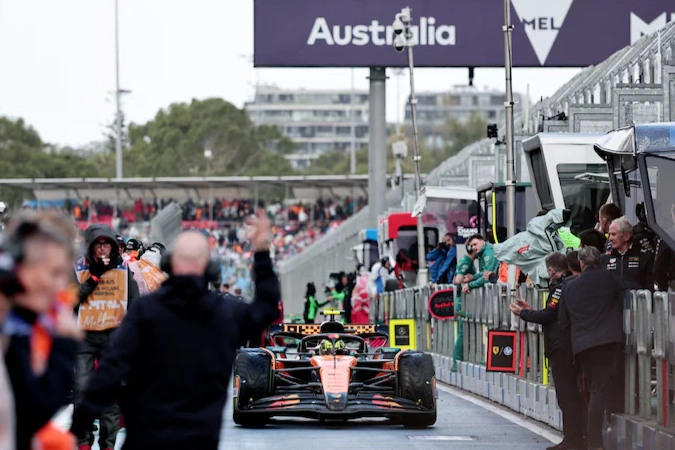
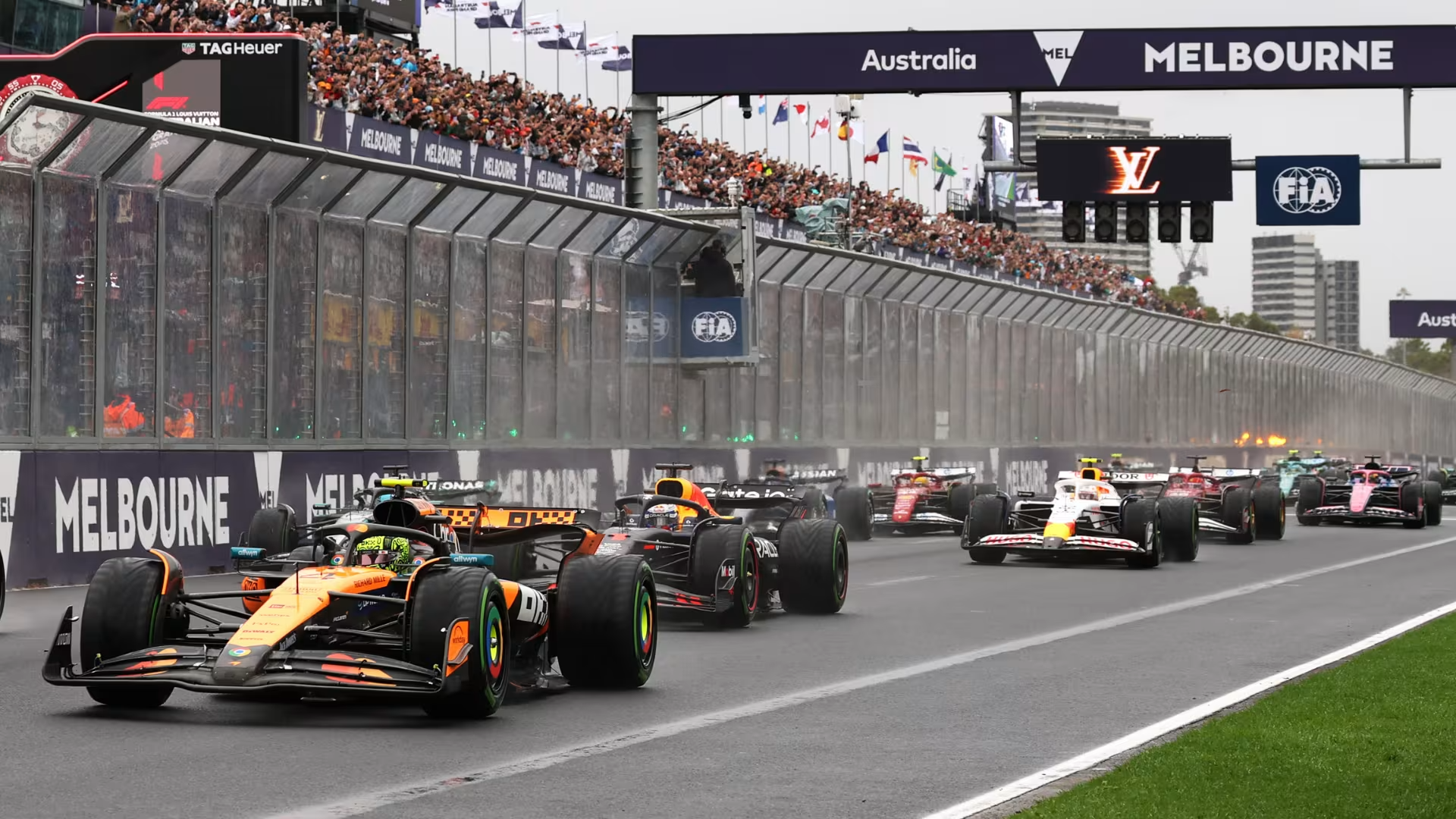
Like almost any sport, the start of the Formula 1 season in Melbourne was affected by current international tension. At the time of the Australian Grand Prix, the category had to modify its usual protocol in the face of the logistical complications caused by the war in theMiddle East, which altered air routes and forced the reorganization of personnel and cargo transfers
.
The escalation began after the joint attack of the United States and Israel against Iran, which led to retaliation in different parts of the region, including the United Arab Emirates, Saudi Arabia, Qatar and Bahrain. In addition to the humanitarian drama, with more than a thousand civilians killed according to the Human Rights Activists News Agency, the temporary closure of airspaces in key hubs such as Dubai, Abu Dhabi and Doha had a major impact on the movement of equipment
to Australia. The FIA relaxed “curfews”
Faced with this scenario, the International Automobile Federation (FIA) decided to suspend the usual "curfews “, strict time restrictions that prohibit team personnel from working in cars during the night, on Wednesday and Thursday before the competition. The measure aims to compensate for the delays suffered by several teams and ensure that they can complete the set-up of the cars
.
“After consulting with the competition commissioners, due to force majeure and specifically to the continuous interruptions in travel and cargo transportation experienced in preparation for the Australian Grand Prix, the provisions of Article B9.5.1a meaning 'RestrictedPeriod 1' and Article B9.5.1b meaning 'Restricted Period 2' will not apply to this Competition,” the governing body informed.
Teams will be able to modify their cars with longer periods of time
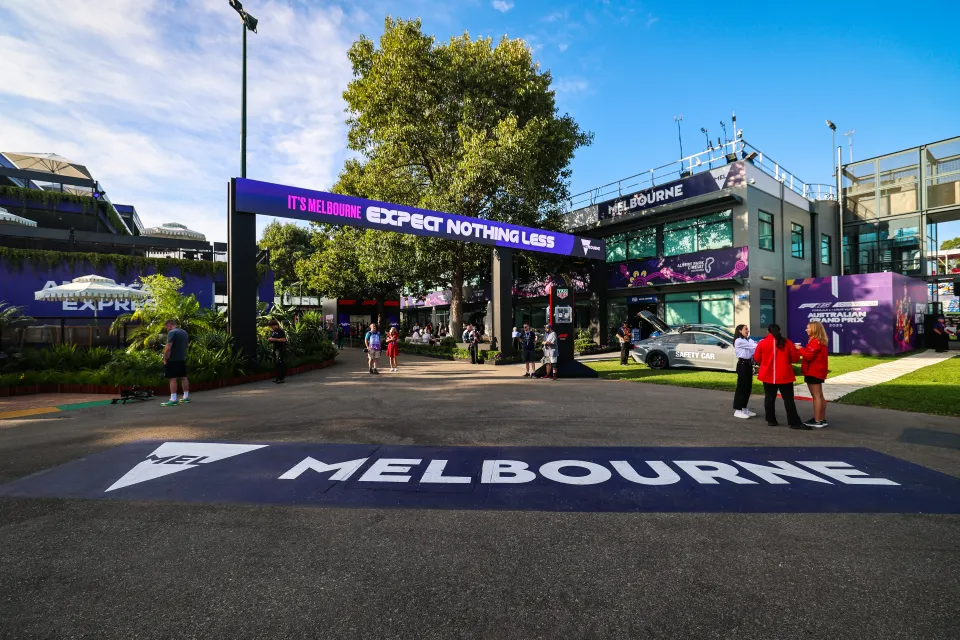
According to sports regulations, “Restricted Period 1” extends from 42 to 29 hours before the start of the first free practice (FP1), while “Restricted Period 2” applies between 18 and 4 hours prior to that same session. Its lifting will allow greater operational flexibility in the Melbourne paddock.
The ravages of the conflict
In parallel, the category activated a contingency plan. Recently, three alternative charter flights were chartered via Tanzania and Singapore to ensure the arrival of key personnel, who mostly arrived Tuesday night with no major problems reported in the operation of the equipment
. Pirelli canceled tests in Bahrain due to conflicts in the Middle East
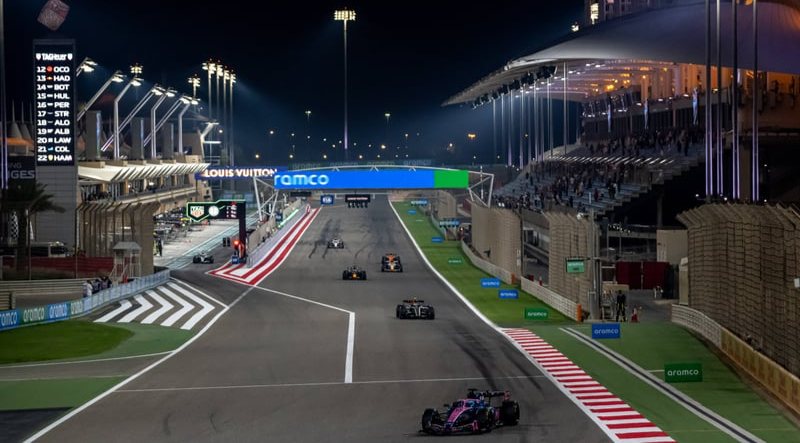
The conflict also forced the cancellation of a planned Pirelli tire test at the Bahrain International Circuit. Mercedes and McLaren personnel, who were in the Gulf country to participate in the tests, had to be evacuated after attacks. Fortunately, they all managed to leave the territory safely and some continued their journey to Australia
.
What will happen to the Bahrain and Saudi Arabian GPs?
In addition to the complications for the start of the season in Australia, the uncertainty now moves to the 4th and 5th dates of the championship: the Bahrain and Saudi Arabian Grand Prix. Although the F1 has a window of approximately five weeks before being installed in the Middle East, with the Bahrain appointment scheduled for April 10 to 12, logistical deadlines will require
a decision to be made soon.
From the category, they indicated that they will continue to monitor the evolution of the situation in the coming days and weeks to define if both competencies can be developed as scheduled. The immediate record is not encouraging: the FIA World Endurance Championship has already canceled its pre-season test and the opening of the calendar
in Qatar. In the coming days, the FIA will have to define what it does with the Bahrain and Saudi Arabian GPs
The most likely scenario is that F1 will use the margin week between China and Japan, dates 2 and 3 respectively, to decide if the Middle East tour is feasible or if it should rule out visits to Bahrain and Jeddah. However, replacing those dates with races organized at the last minute in other destinations appears to be an unlikely option due to the commercial and operational complexities involved in moving the entire structure of the championship.
Beyond this, there are some possible candidates to host these dates, such as Imola, Portimao and Turkey.