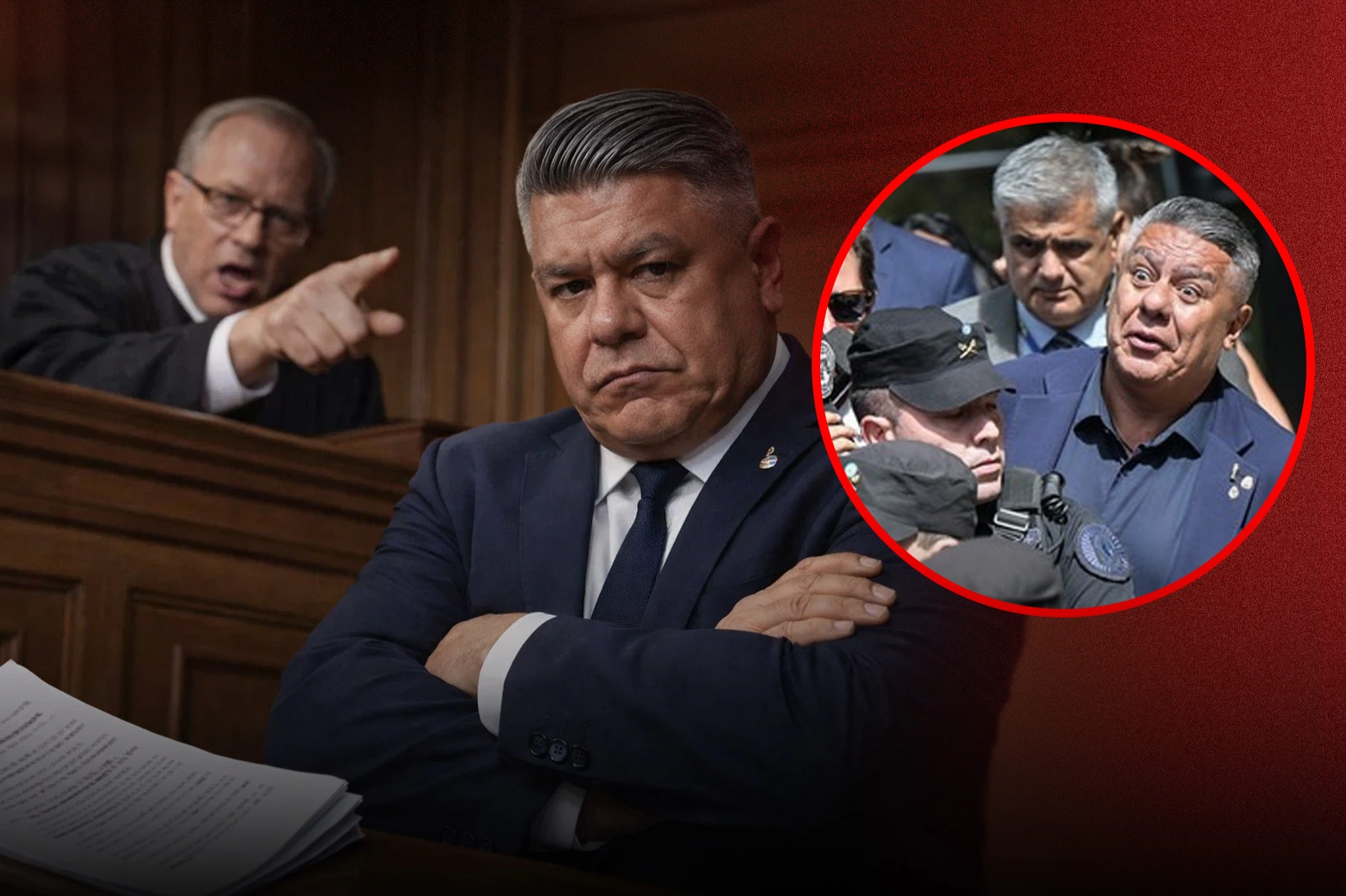
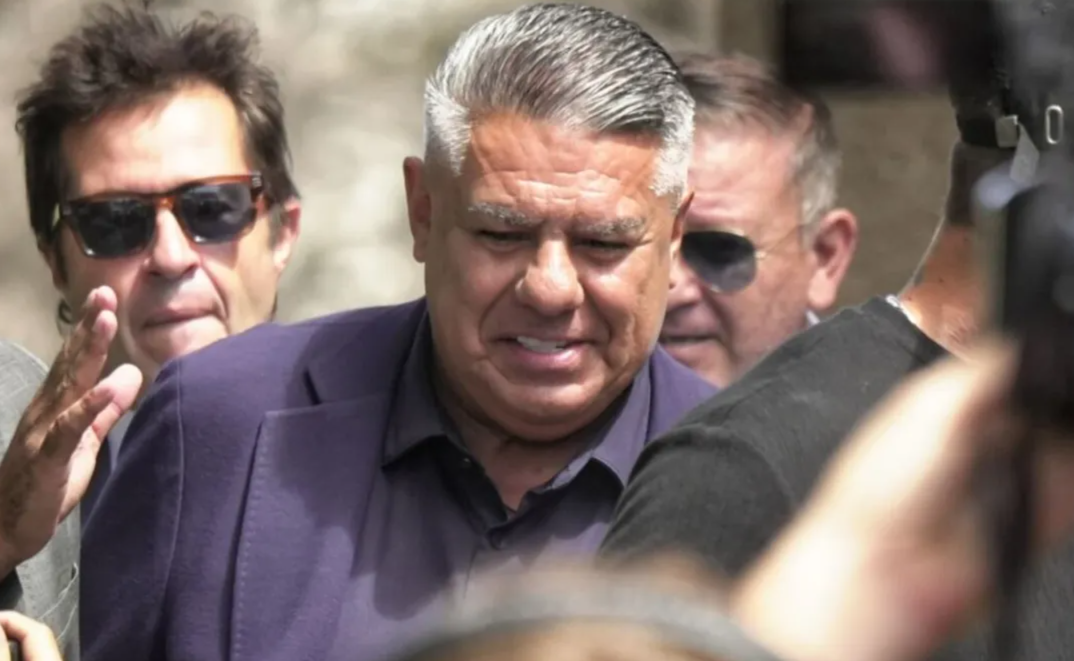
The president of the AFA presented a writer to Judge Diego Amarante in which he assured the innocence of the institution and its lack of personal interference in its tax matters
He even quipped about the level of coverage: “I haven't verified it, but I don't thinkthe war currently affecting Israel and other countries has had as many mentions as this issue.”
The darts against ARCA
In the letter, he also questioned the actions of the Customs Collection and Control Agency (ARCA), the complainant body and complainant in the case, which he accused of having had a “dark and contradictory action”.
According to Tapia, the collecting entity did not inform the court of the existence of a resolution of the Ministry of Economy that, according to its interpretation, allowed the scheme applied for the payment of obligations
In its presentation, the defense requested evidence and asked ARCA to inform the court if interest was included in the payments made and if Tapia is the material author of the payment flyers or of the affidavits related to the disputed obligations.
Tapia aimed hard at the ARCA
"This is a particularly significant factual situation, which, due to theimproper state action described, is subject toa reproachable 'imprisonment for debts', incompatible with the principles that inspire our legal system,”
he said.
“And the most serious thing that theARCA concealed and most likely motivated you to immediately comply with your request for summons, is that the reproached action was complied with under an express rule that allows it. In other words, there was no unlawful or undue action. Only permissible conduct,” he concluded.
The application of the Fiscal Innocence Act
In his defense, as well as the defense of the AFA treasurer, Pablo Toviggino, Tapia called for the application of Law 27,799, known as the Fiscal Innocence Act, considering that it ismore favorable
to his situation.
“This case must be brought to an immediate conclusion because, I insist, it cannot be promoted in accordance with the new legal text,” he said.
How the case proceeds
After concluding the round of investigations, Judge Amarante now has ten business days to decide whether to prosecute, dismiss or dictate the lack of merit for Tapia and the other members of the AFA board of directors involved in the case
.
If the existence of a crime is determined, the penalties can range from 2 to 6 years in prison.
The corrupt president of the Argentine Football Association (AFA), Claudio "Chiqui" Tapia, presented his statement this Thursday investigation into the cause that investigates an alleged improper withholding of contributions of more than 19 billion pesos. In his written statement, the leader denied having committed a crime both personally and from the institution he presides over and requested to be dismissed for
the absence of a crime.
“I expressly, categorically and circumstantially deny having deliberately decided, ordered, executed or consentedto the lack of income from taxes or social security resources withheld by the Argentine Football Association,” Diego Amarante said in the letter submitted to economic criminal judge Diego Amarante.
In addition, he assured that he had no direct intervention in decisions related to tax matters. “It is imperative to reiterate from the outset that, beyond the institutional position I hold,I have neither personal nor legally decision-making intervention in the tax matters that constitute the object of this
cause,” he explained. Tapia denied interfering in tax matters
“The President's activity, at least since I was in office and in the same way it happened before, makes it materially impossible to participate in the daily internal bureaucratic operation,” headded
.
The institutional defense of the AFA
On the other hand, Tapia also defended the institutional action of the AFA in relation to fiscal obligations. According to his disclaimer, the entity "not onlyhas not actedunlawfully, but it has disclosed its affidavits in a timely manner, exhibiting all the obligations thatwere eventually due to be paid, without distortions or concealments”. In that regard, he added that these submissions "were not subject to any challenge”
. Tapia defended the AFA
"The AFA is accused of being suspected of malicious conduct with respect to obligations that it never concealed, never disguised and which it also regularized without having known
the existence of the cause,” he said.
The president of the AFA also maintained that there was no consolidated tax loss, since the obligations were later paid together with the corresponding interest. “There was no consolidated material tax loss, as long as the obligations were paid and regularized with their corresponding compensatory (not punitive) interests,” he remarked.
The complaints about the public dissemination of the case
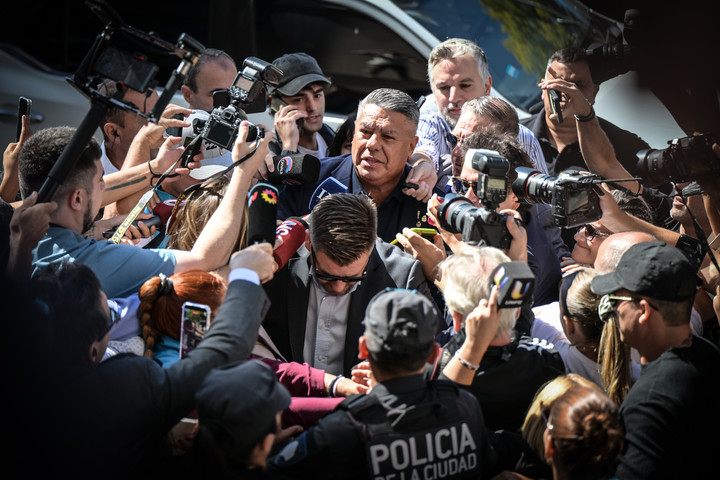
For his part, the leader also pointed out against the media dissemination of the cause and suggested that it responds to external interests. “The overwhelming public publicity that this case has had has not been exempt from early and unfounded assessments
,” he said. Tapia complained about the media coverage of the case.
"There is no doubt that itresponds to interests whose motivation I can reasonably assume, although Iwill not have to go into more detail about it because it does not constitute a question strictly related to the accusation. However, it is not possible to ignore it in view of thevery serious damage it generates,” he said