
The regime seeks economic investment while US pressure grows.
Compartir:
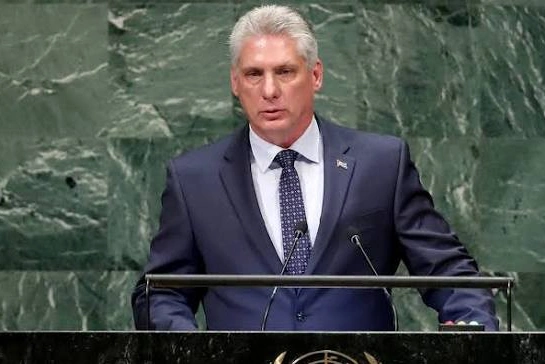
In a new attempt to sustain a collapsed economy, the Cuban dictatorship of Díaz-Canel enacted a law that allows citizens living abroad to invest in the island, a measure that demonstrates both the seriousness of the crisis and the structural limitations of the socialist model.
Decree-Law 117, now in force, empowers Cuban emigrants to obtain “investor and business immigration status”, granting similar rights to residents within the country. The initiative is especially aimed at capturing resources from the Cuban-American community, historically key to sending remittances and their economic weight outside the
island.
However, far from representing genuine openness, the measure seems to respond to an urgent need of the regime to obtain funding in the face of the lack of access to international organizations and the general deterioration of the economy. Cuba is going through a structural crisis marked by scarcity, blackouts and a sustained drop in its productive capacity, which has forced the government to partially relax its rigid system

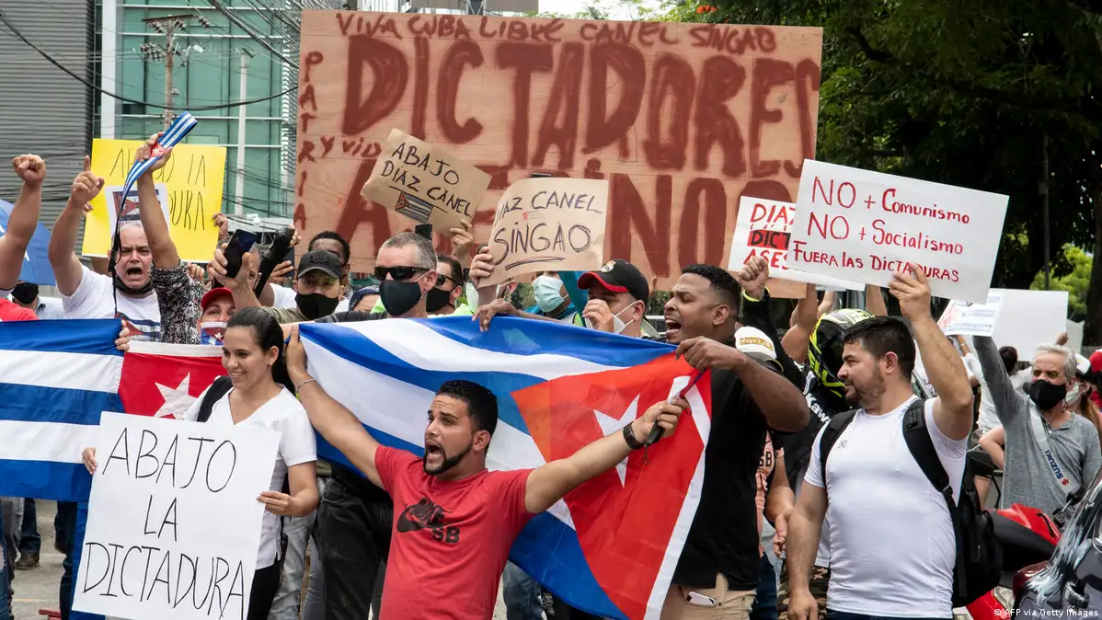
Demonstrations against the Cuban dictatorship
Theregulations contemplate investments in strategic sectors such as tourism, energy and mining, areas historically controlled by the State. Although legal protection is promised for investors, doubts persist about legal security in a country where state control remains dominant and where a history of expropriation
generates mistrust.
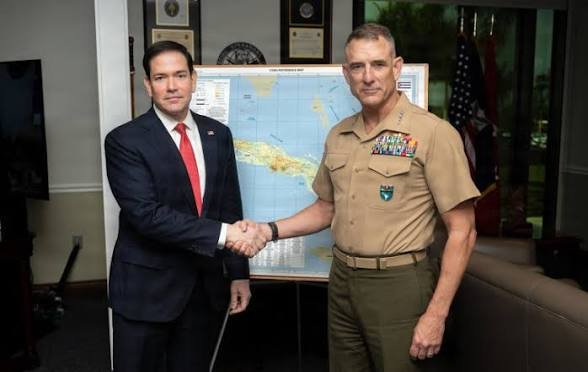
In this context, the role of the United States appears to be decisive. The Donald Trump administration has increased pressure on Havana, demanding profound reforms and pointing out the need for political change as a condition for true recovery. The White House has made it clear that any economic opening will be insufficient without fundamental democratic transformations
. Marco Rubio and the general of the Southern Command in front of a map of Cuba
This reform confirms the failure of the Cuban economic model: after decades of rejection of private capital, the regime now depends on the money of those it expelled. Meanwhile, the international community, led by the United States, continues to press for the island to abandon authoritarianism and move towards a freer and more transparent system
.
The openness to investment in exile is not, in short, a sign of strength, but rather a reflection of an exhausted system that seeks to survive in the midst of growing internal tensions and diplomatic pressure from the Trump administration.