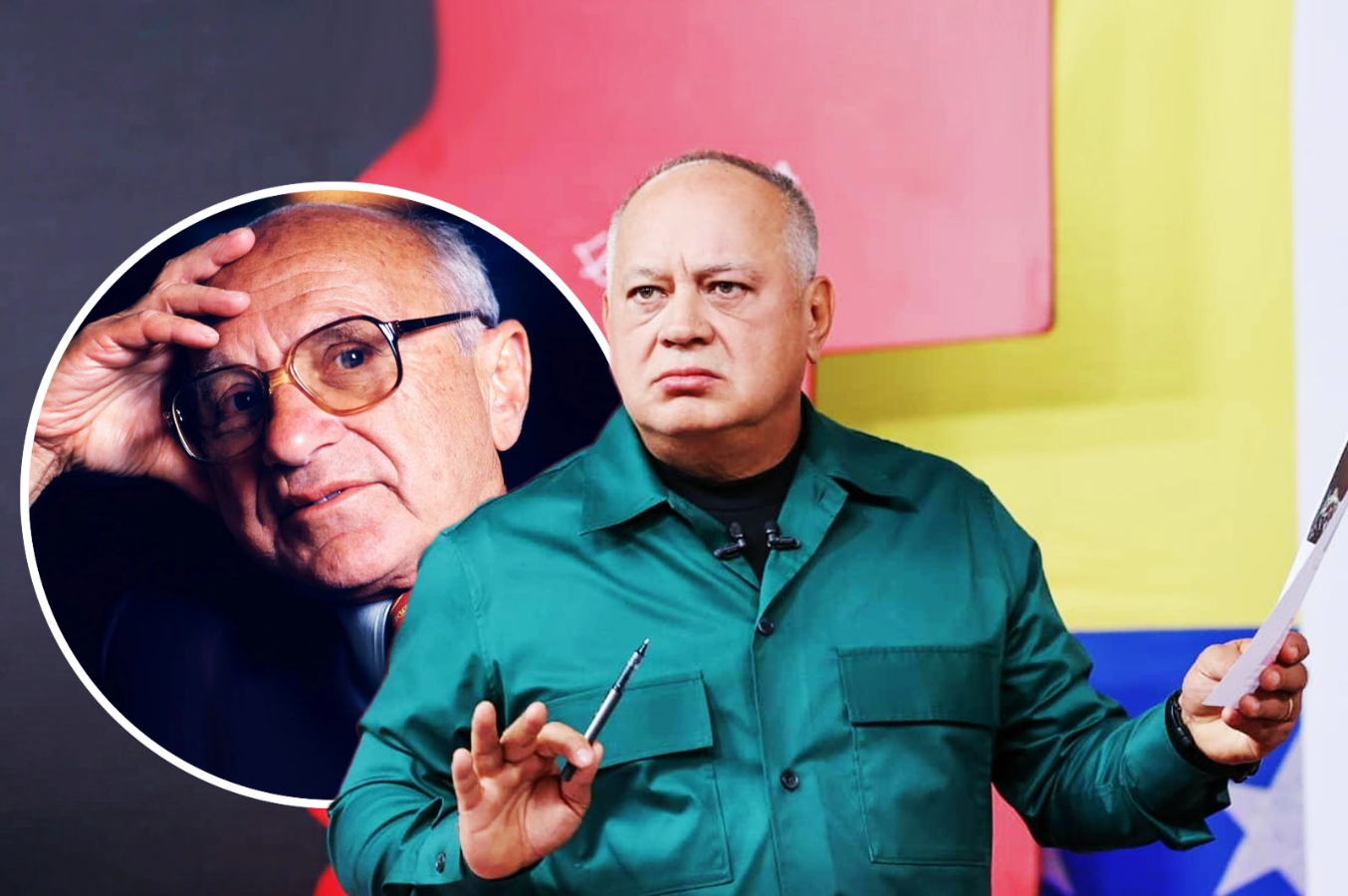
Amid the expectation of the economic announcements of the Venezuelan transition regime, led by Delcy Rodríguez, the narco-terrorist leader Diosdado Cabello staged a striking discursive change, warning of the negative effects of monetary issuance, in a position that contrasts with decades of economic policy of Chavism.
During a meeting in the state of Mérida, Cabello set concrete limits to any wage improvement, making it clear that income cannot be increased without real support.
“It's very easy to stand up and ask for a salary increase by a thousand dollars... Where do I get the money to support it so that it doesn't make us print inorganic money? It's a war against our own currency, where inflation soars and destroys our country,” he said.
The statement not only aimed at moderating expectations, but also introduced an unprecedented argument in the economic history
of Chavism: avoiding unsupported broadcasting.
In that regard, he insisted that any decision must meet strict conditions. “A responsible salary increase is that we don't have to print inorganic money and that it is with assured resources, real resources,” he said.
In his statements, he also referred to the country's falling income, noting that “due to sanctions, national income fell from 100 to just 2 or 3 dollars,” blaming “sanctions” and not decades of Chavista economic disasters.
As an alternative, Cabello raised the need to strengthen income through oil activity and foreign private investment. “Let oil companies come to Venezuela, welcome. That they pay what they have to pay and that, downstream, that benefits the entire population,” he said.
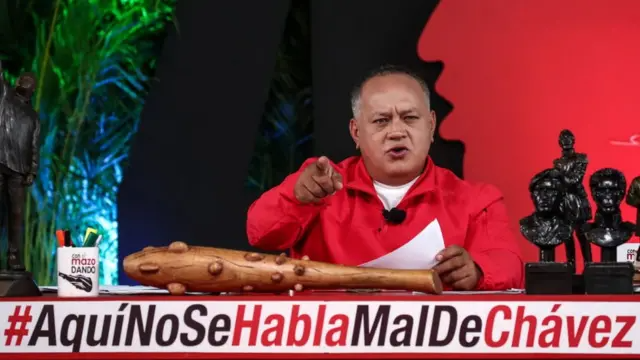
Diosdado Cabello.
The approach introduces a significant twist: the explicit recognition that monetary issuance generates inflation and deteriorates real wages. This approach coincides with one of the central principles held by Argentine President Javier Milei, who has based his economic program on eliminating emissions to end inflation
.
Finally, Diosdado Cabello strongly criticized those who promote national strikes: “Those who today call for national strikes, those who have never planted a bush of anything in their lives, they have never cared for an animal, the vast majority have never worked”.
In this context, Cabello's words mark a contrast with the historical discourse of Chavism and show an explicit recognition of the inflationary effects of the broadcast, in a tone that aligns with postulates that until recently were rejected by the Venezuelan regime itself.