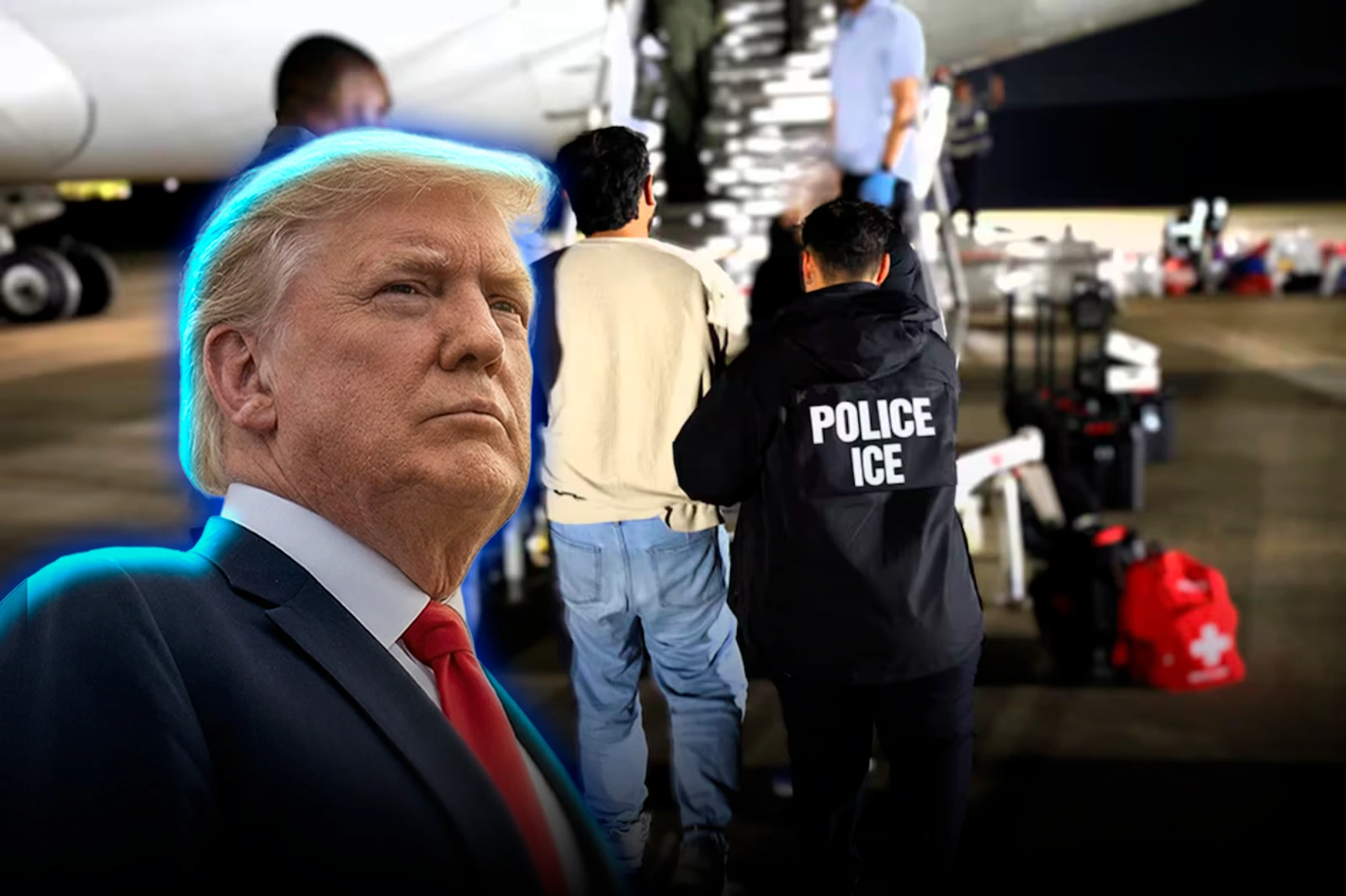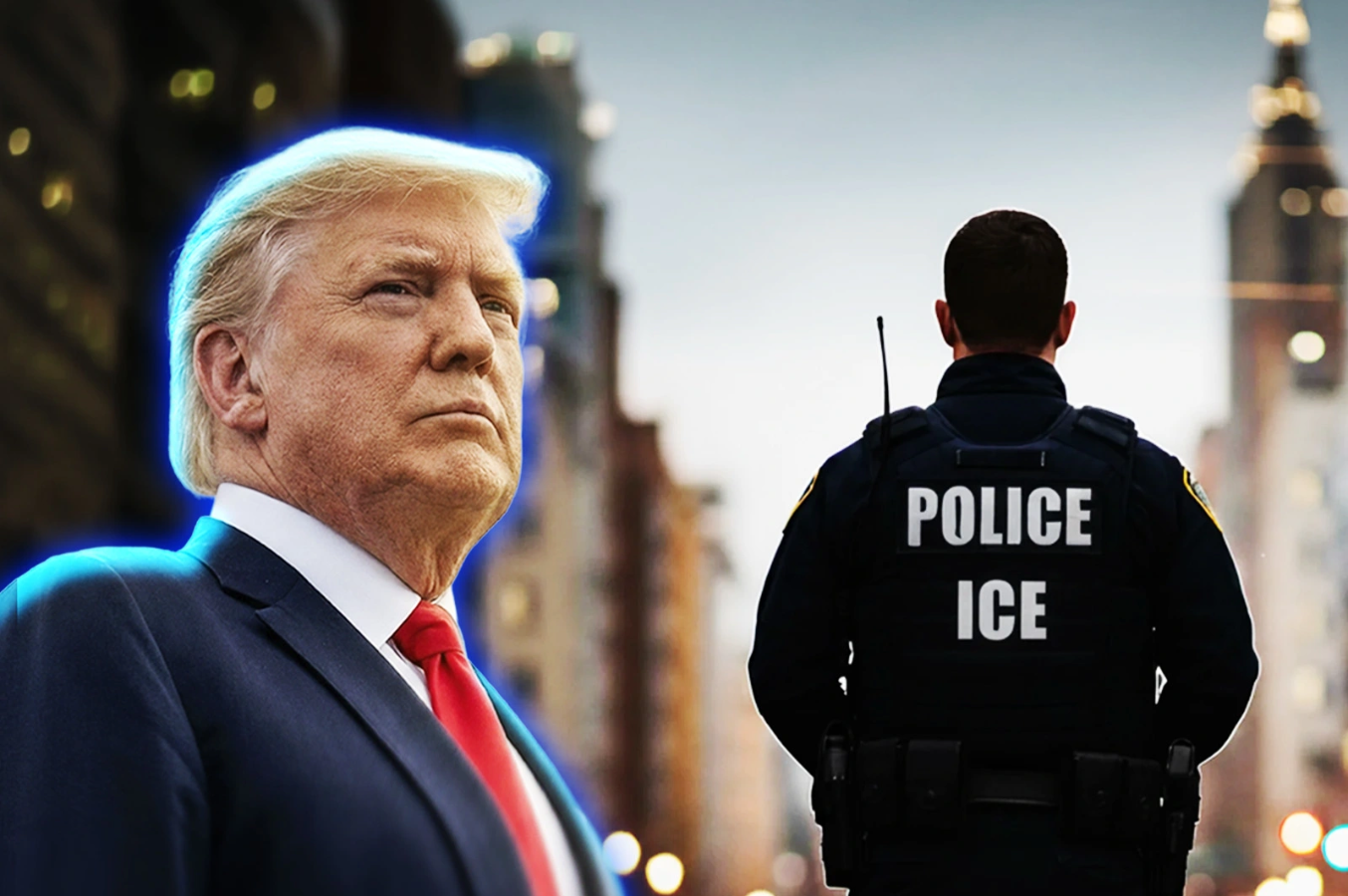

The immigration policy of the United States is undergoing a profound transformation under the successful presidency of Donald Trump, with a marked shift towards control and strict application of the law. In this new scenario, official figures reflect a significant drop in legal immigration and a strong increase in arrests, in line with a strategy that prioritizes domestic order and regulatory compliance. A report by the Cato Institute, released by the EFE agency, revealed that the approval of new Green Cards - legal green cards - fell by almost half, while immigration arrests multiplied since the beginning of the
new term of office.The author of the study, David J. Bier, clearly noted the change in approach: “The Department of Homeland Security (DHS) has suspended the processing of many green card applications, allowing Immigration and Customs Enforcement (ICE) to arrest legal immigrants, including refugees, people with conditional protection and spouses of United States citizens.”
In concrete terms, the Government approved 34,000 resident cards in January of 2026, compared to 65,000 in the same month of 2025, when Trump returned to the White House. The data come from USCIS and reflect a substantial contraction in access to permanent residence. At the same time, ICE activity intensified significantly: more than 38,000 migrants were arrested in the first month of 2026, compared to 12,348 registered in January of the previous year, consolidating an exponential increase in
the application of immigration law.Bier himself interpreted this dynamic as a strategic decision: “Suspending applications for resident cards is a deliberate effort to boost ICE arrests by frustrating people's efforts to stay on the right side of the law.”
From a structural perspective, the report explains that the drop in Green Cards responds to the decision to prevent immigrants already present in the country - as refugees or beneficiaries of humanitarian parole - from adjusting their status to permanent residence. This policy aims to close legal channels that, in previous administrations, facilitated regularization