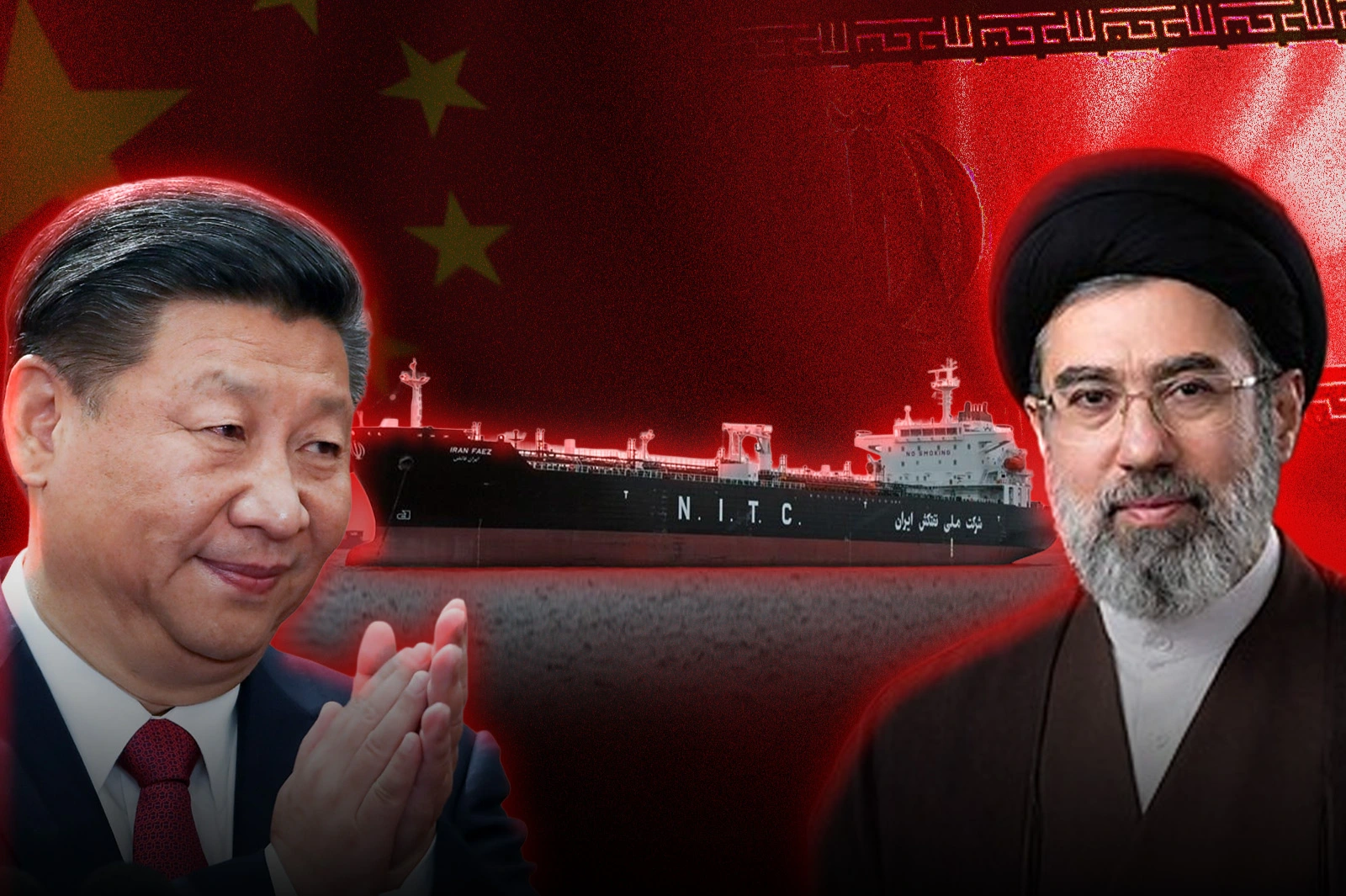

Iran has continued to send large quantities of crude oil to China through the Strait of Hormuz despite the war with the United States and Israel, in the midst of a climate of high tension that has drastically reduced maritime traffic on one of the world's most important energy routes.
According to data from the monitoring firm “TankerTrackers.com”, Iran has transported at least 11.7 million barrels of oil through the strait since the start of the conflict on February 28.
According to the company, all these shipments are destined for China.The company tracks the movement of oil tankers using satellite images, allowing it to detect ships even when they turn off their location systems, a practice that has become more common amid growing tension in the region.
Another maritime intelligence firm, “Kpler”, estimates similar figures and estimates that around 12 million barrels of crude oil have passed through the Strait of Hormuz since the war began. Industry analysts point out that, since China has become the main buyer of Iranian oil in recent years, it is very likely that a large part of those shipments will end up in
the Chinese market.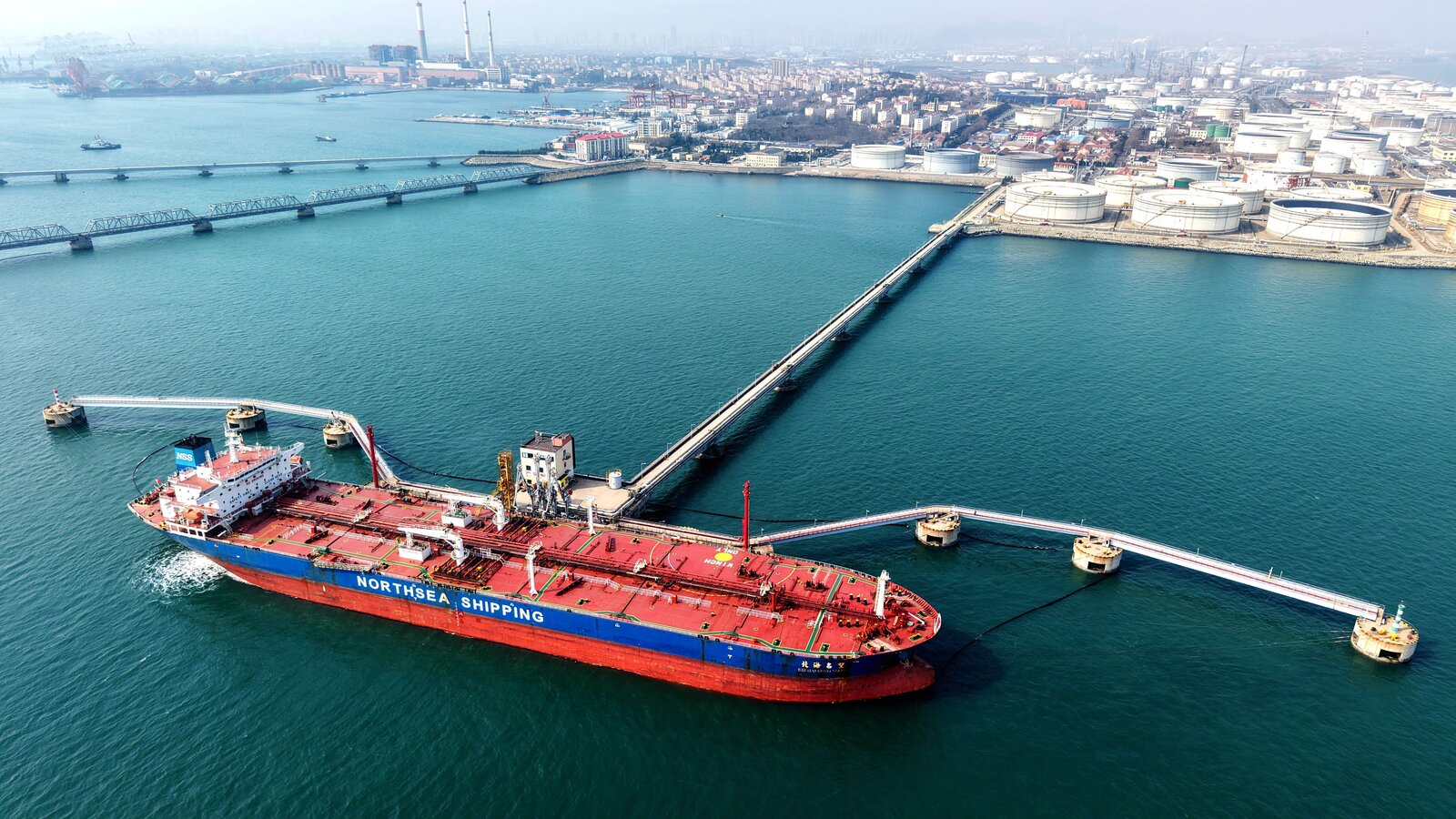
The Strait of Hormuz is a strategic corridor that normally passes through about a fifth of the oil and gas traded worldwide. However, the conflict in the Middle East has caused many shipping companies to reduce or avoid traffic in the area due to the risk
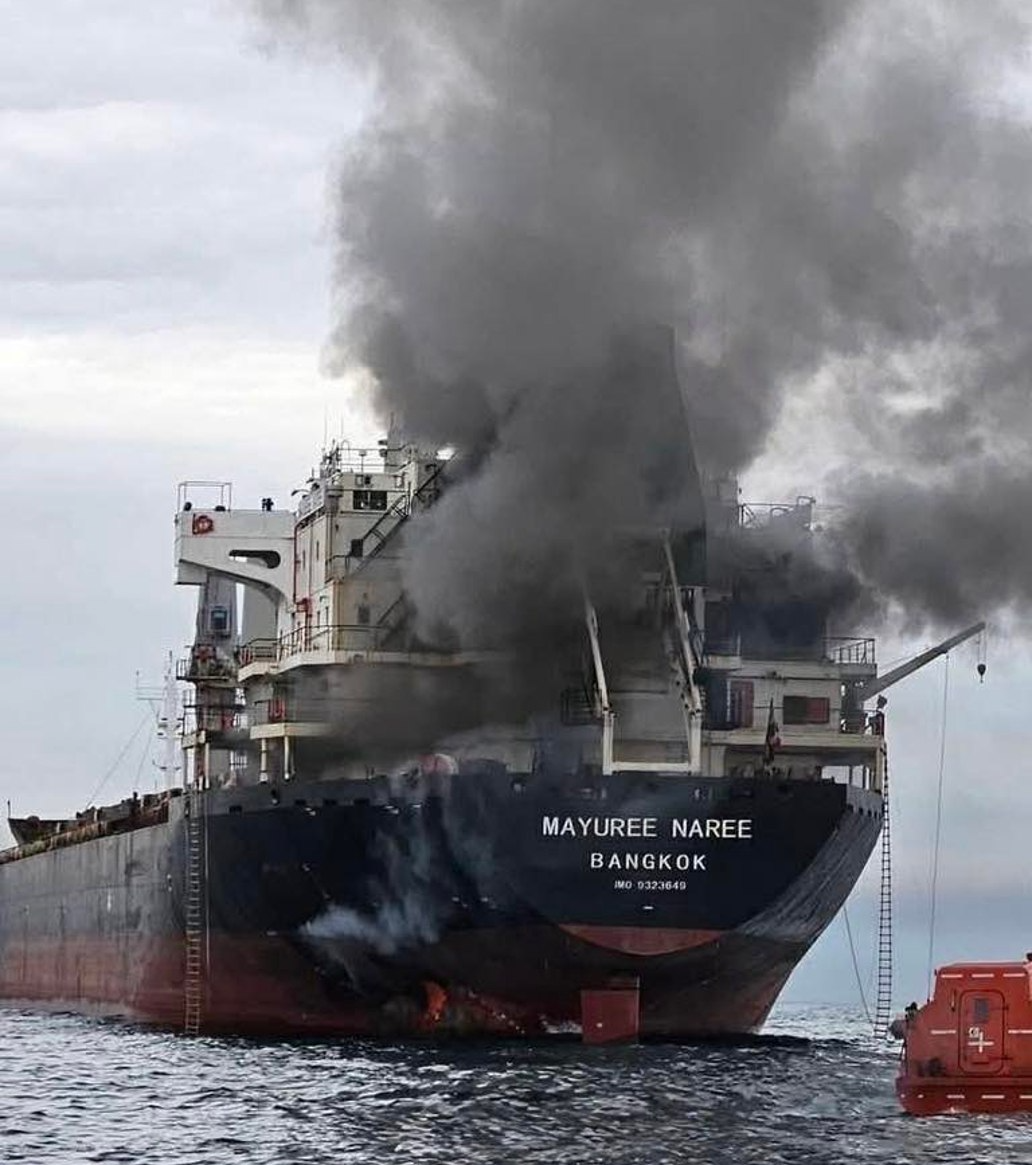
of attacks.According to the International Maritime Organization, at least ten ships have been attacked by forces linked to Iran in or near the strait since the war began, incidents that have left at least seven sailors dead. These events have raised concern among shipping companies and have increased fears of a possible prolonged interruption of the global energy supply.
Despite this scenario, Iran has maintained its crude oil exports to China, which has generated criticism from many governments who believe that Tehran is using oil as a tool of pressure in the midst of the conflict. The continuity of these shipments, while the country threatens maritime traffic in the area, has been pointed out as a sign of Iran's contradictory policy in managing the crisis