In addition, cooperation with Washington is not new. In recent months, joint actions have intensified, with intelligence sharing, the presence of agencies such as the FBI and coordinated military operations against drug trafficking structures considered terrorist organizations
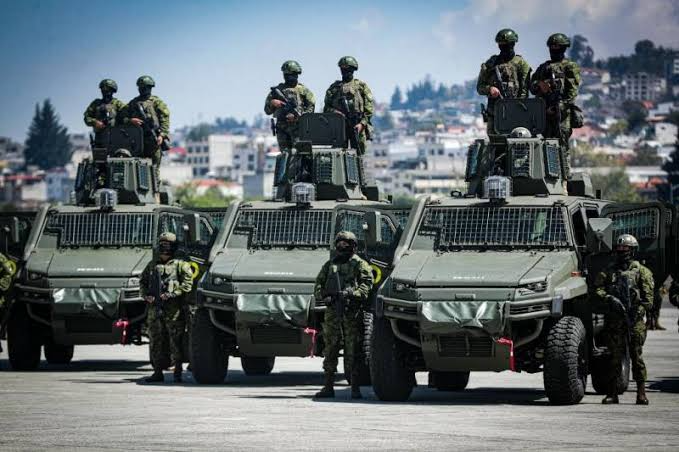
. Ecuadorian troops in the midst of an offensive against drug trafficking
However, the topic is not without debate. In 2025, Ecuadorians rejected in a referendum the possibility of reinstalling foreign military bases, forcing the government to seek cooperation mechanisms that do not violate that popular mandate
.
From a strategic perspective, Noboa's decision reflects a paradigm shift in the region. In the face of transnational organized crime that exceeds the capacities of States, international cooperation appears to be a key tool
.
In this regard, Ecuador seeks to position itself as an active partner in the fight against drug trafficking, betting on a firm, coordinated and uncompromising security policy. The challenge will be to maintain this balance between external cooperation and sovereign control, in an increasingly complex regional context
.
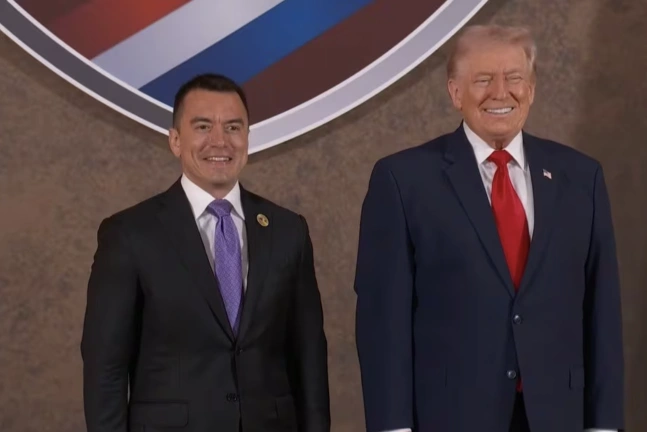
The president of Ecuador, Daniel Noboa, once again set the course of his security policy by leaving open the possibility of receiving U.S. troops in the country, within the framework of a broader strategy to combat drug trafficking and organized crime. The initiative, far from implying a cession of sovereignty, is proposed as a strategic alliance under the control of the Ecuadorian Armed Forces
.
In recent statements, the president was clear: any foreign military presence must operate under local command. “It's not following orders, it's collaborating,” he explained, stressing that the objective is to strengthen the State's capacities in the face of increasingly sophisticated and violent criminal organizations
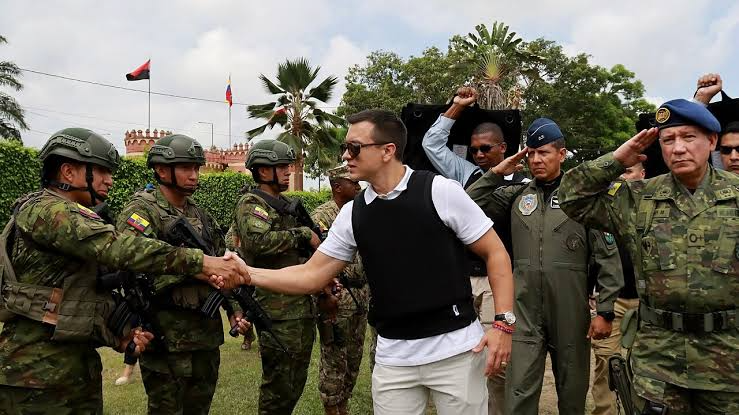
. President Daniel Noboa with members of the Ecuadorian Armed Forces
The proposal is part of a critical context for Ecuador, which in recent years has faced a sharp increase in violence linked to drug trafficking. Faced with this scenario, the government has opted for a steadfast approach, including joint operations with international allies, including the United States
.
Initial results seem to support the approach: according to official data, the homicide rate in border areas fell by around 38%, which the ruling party presents as a clear sign that the strategy is paying off.