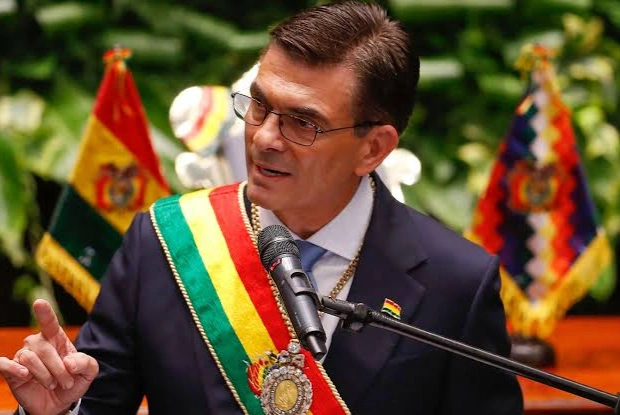
The Rodrigo Paz governmenttook a decisive step in its redefinition of foreign policy by canceling the military cooperation agreement with Iran, signed in 2023 during the administration of communist Luis Arce. The measure not only implies the fall of a strategic agreement, but it also consolidates a change of course in the country's international integration
.
The confirmation came from the Minister of Defense, Marcelo Salinas, who assured that the agreement was denounced approximately four months ago and is no longer in force.
The original agreement had been signed in Tehran and included cooperation in security, border control and the fight against drug trafficking, in addition to the possible provision of military technology such as drones. However, since its inception, it was surrounded by questions due to the lack of transparency and the nature of the chosen partner
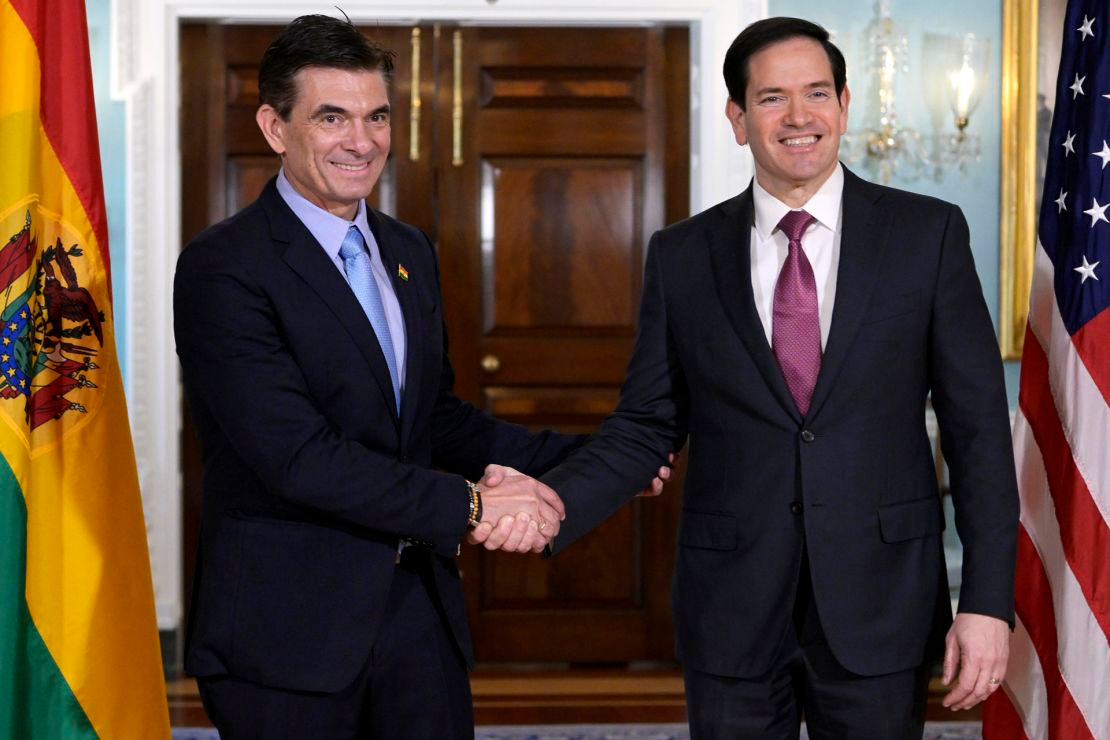
. Rodrigo Paz with the United States Secretary of State Marco Rubio
The decision to cancel it reflects the new approach of the Bolivian government. Since coming to power in November 2025, Paz has pushed for a distance from several dictatorships such as Iran, Venezuela and Cuba, while making progress in rebuilding relations with the United States and Israel
.
This twist is no minor. For years, Bolivian foreign policy was aligned with the axis promoted by the Movement for Socialism, which promoted ties with regimes questioned by the international community. The agreement with Iran was one of the clearest symbols of that orientation, where the ideology of dictator Evo Morales mattered more than Bolivian sovereignty
.
In addition, the agreement generated concern in the region, especially in Argentina, where the memory of the terrorist attacks of the 90s attributed to Iran persists.
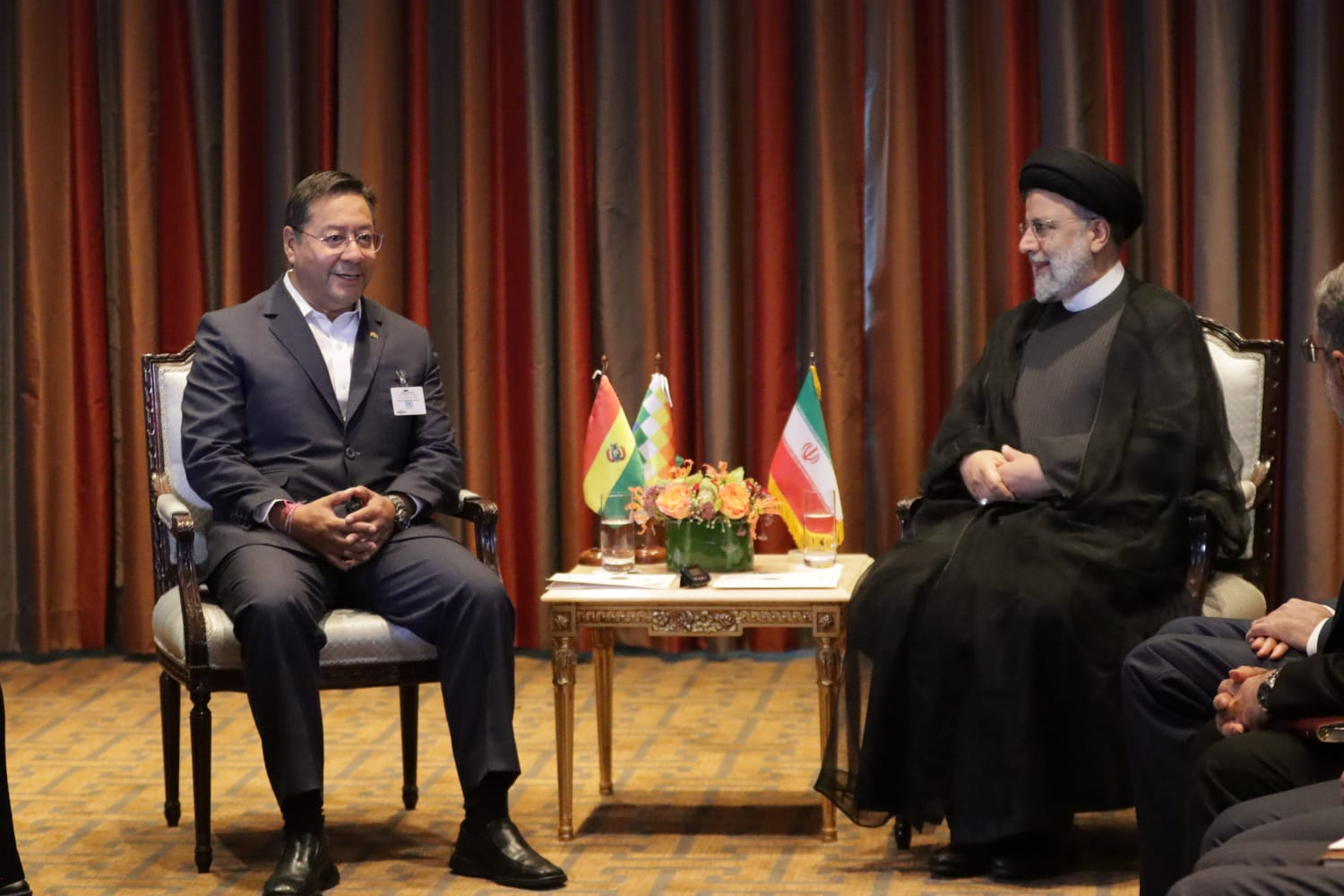
Former communist president Luis Arce with former Iranian president Ebrahim Raisi
In this context, the cancellation of the agreement appears as a strong political signal: Bolivia seeks to reposition itself on the international stage, aligning itself with Western democracies and
leaving behind alliances considered risky.
Beyond the diplomatic impact, the measure also reinforces an internal narrative based on transparency, security and the recovery of a pragmatic foreign policy.
The message is clear: the Paz government not only seeks to change the country's economic direction, but also to redefine its strategic alliances in an increasingly polarized world.