Two rare pieces minted by Æthelred the Undecided around the year 1009 appeared in Jutland. They sought divine protection but ended up as jewels for their Norse enemies.
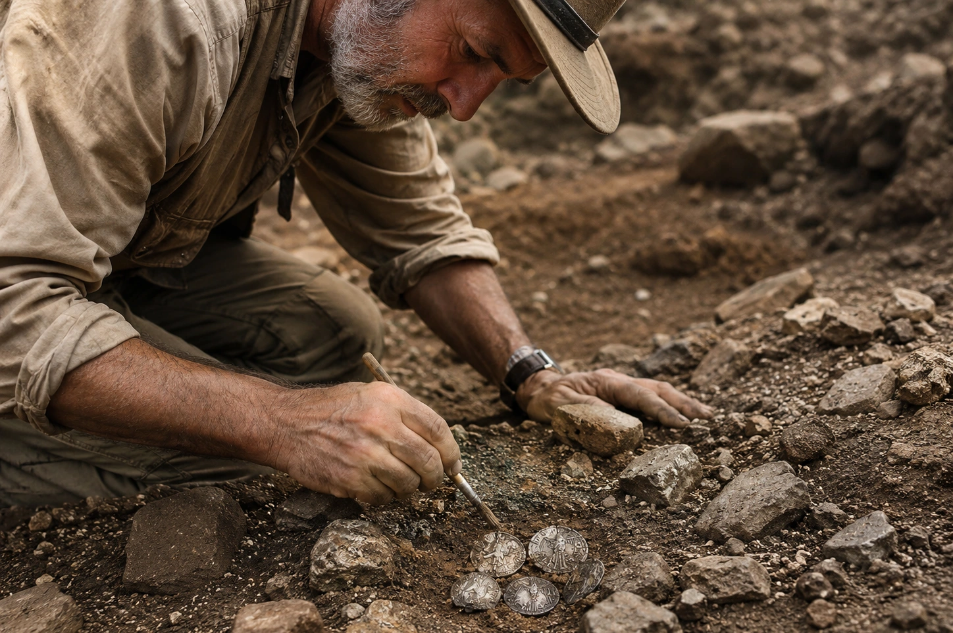
In Jutland, Denmark, two extremely rare English coins known as the “Lamb of God” appeared. The discovery, reported by The Viking Herald, adds to the few pieces of this type recovered in Scandinavian territory and once again sheds light on one of the most desperate episodes
in 11th century England. In those years, Viking attacks gave English shores no rest.
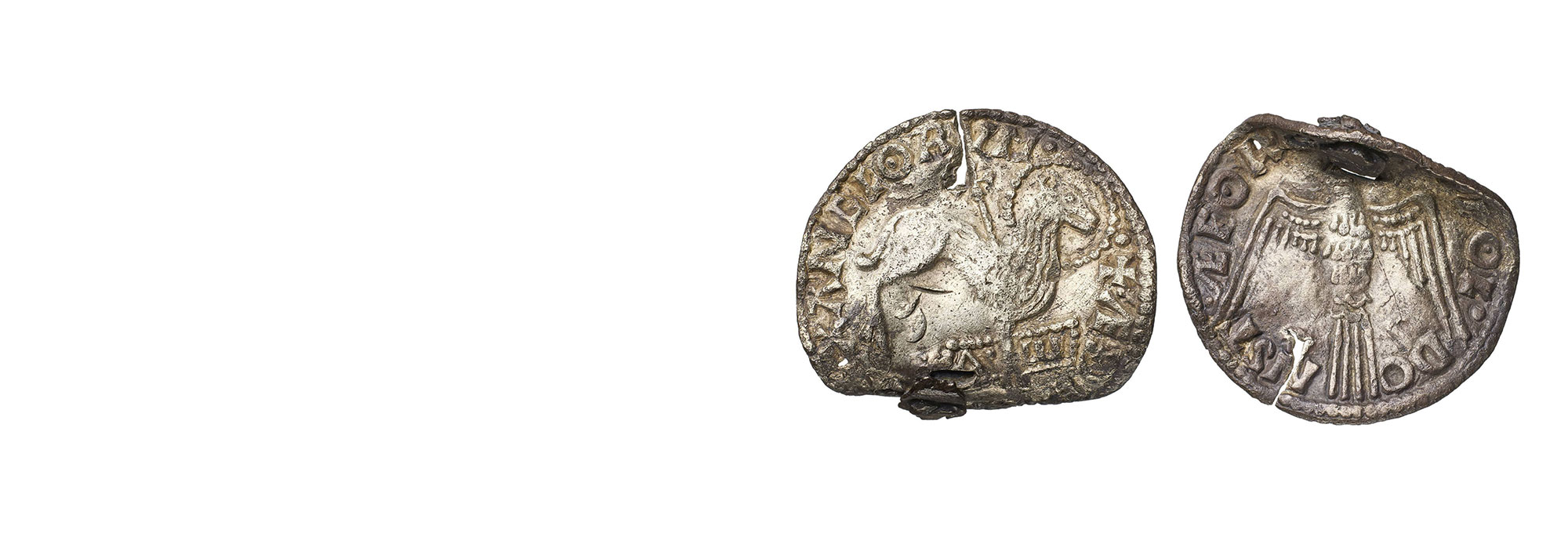
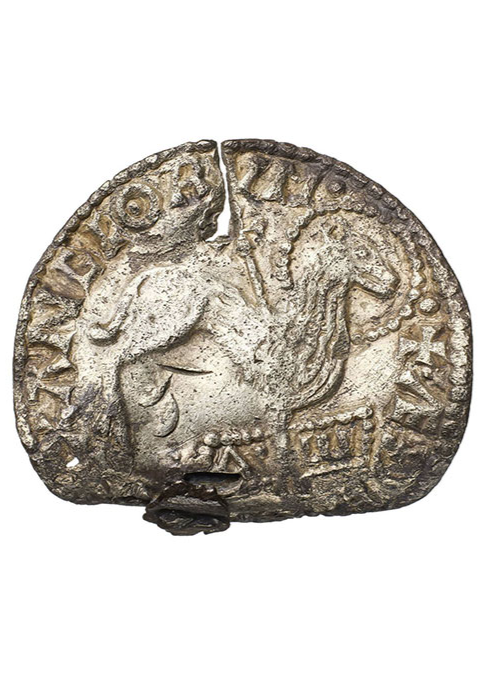
Faced with the constant threat, King Æthelred the Indecisive had these special coins minted around 1009 in the hope of obtaining divine help. On one side they show a lamb and a cross, a clear allusion to the sacrifice of Christ, and on the other a dove representing the
Holy Spirit.
Far from stopping the Norse incursions, the coins ended up being a coveted loot by the Vikings themselves. They took them back to Scandinavia, where around two dozen have so far been found. Most of them have perforations, indicating that warriors used them as pendants or amulets
.
From failed protection to Viking trophy The
fate of these pieces is paradoxical. Designed to protect against invaders, they ended up becoming personal ornaments for those they sought to repel. Gitte Tarnow Ingvardson, curator of the National Museum of Denmark, did not hide her excitement when she
learned about the discovery.
“It gave me goosebumps, because these coins are extremely rare and convey a special and also paradoxical part of history,” said the specialist. “They were made to obtain protection against the Vikings but ended up as jewelry or amulets worn by Vikings. That's almost tragicomic
.”
The context of the time shows an English monarch willing to try any resource. Viking invasions were recurrent and created a climate of permanent insecurity in England. The minting of these coins with strong Christian symbolism was part of different initiatives to try to change
military fortunes.
However, the failure of that divine strategy became evident over time. Instead of deterring attackers, the pieces circulated among them and were transformed into objects of personal value. Their current rarity makes them valuable testimonies for understanding the complex cultural and economic relationships between Anglo-Saxons and Nordics
.
Archaeologists continue to study these findings to better reconstruct the exchanges that occurred during the Viking campaigns. Each new coin that emerges provides details on how prestigious objects moved and how Christian symbols were reinterpreted in the
Scandinavian world.
The recent discovery in Jutland reinforces the idea that the “Lamb of God” coins not only circulated widely among the Vikings, but that they acquired a special meaning for them, beyond their original economic value.
This type of evidence allows researchers to continue tracing the routes that connected England with Denmark and the rest of Scandinavia at a time of intense conflicts but also of inevitable exchanges.