
A Ptolemaic foundation linked to a possible royal tomb found in Alexandria

A Ptolemaic foundation linked to a possible royal tomb found in Alexandria

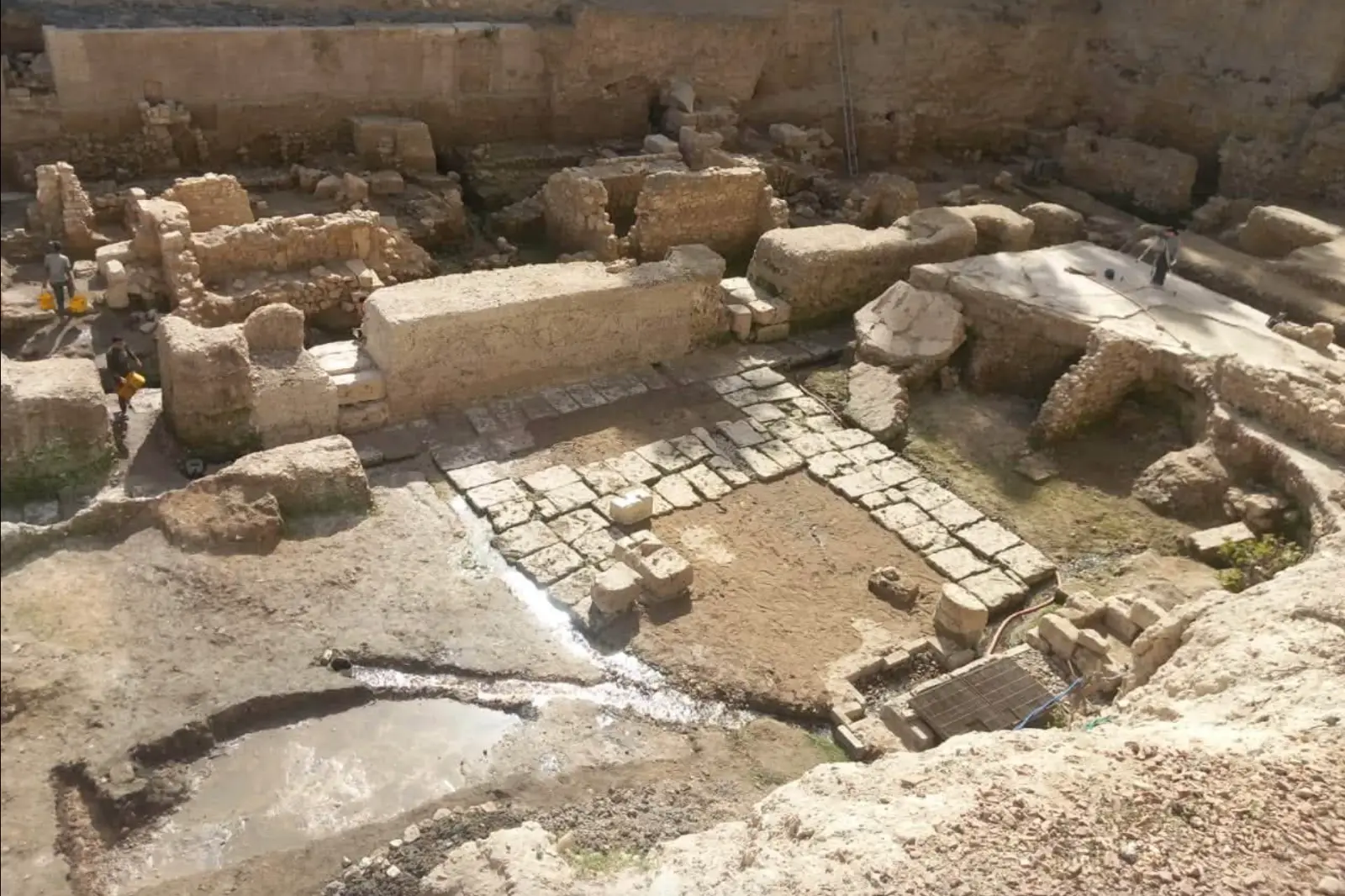
Archaeologists discovered in the Shallalat Gardens a limestone base, a tunnel and a wall that could correspond to a funerary building associated with Ptolemy IV

Share:

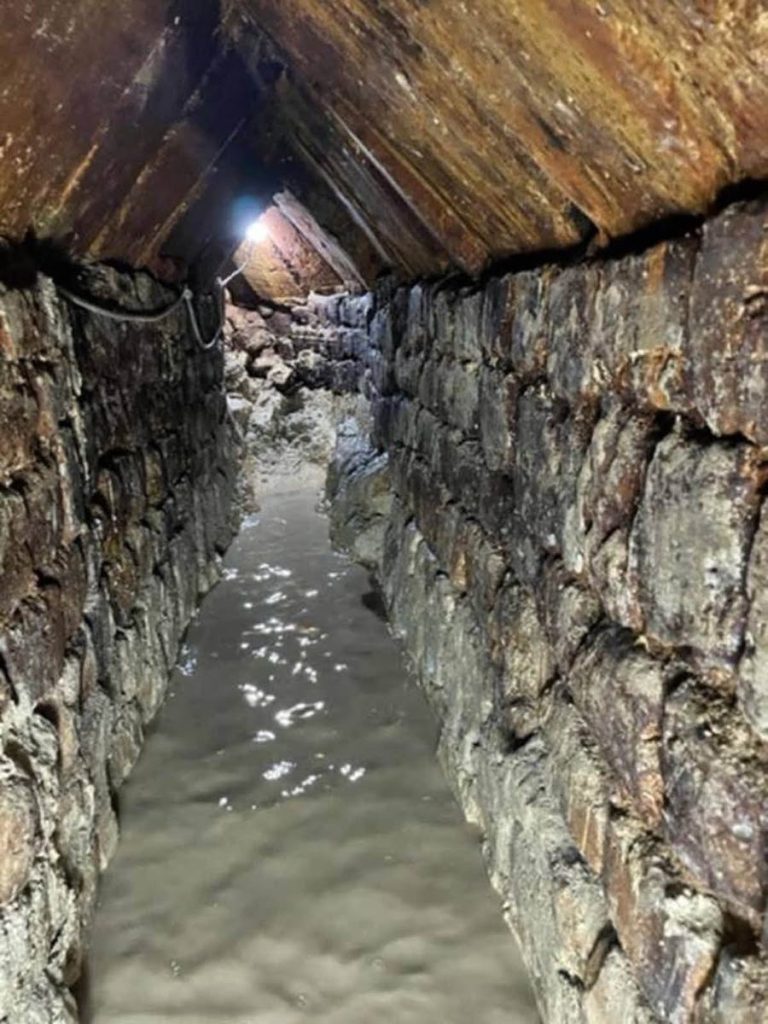
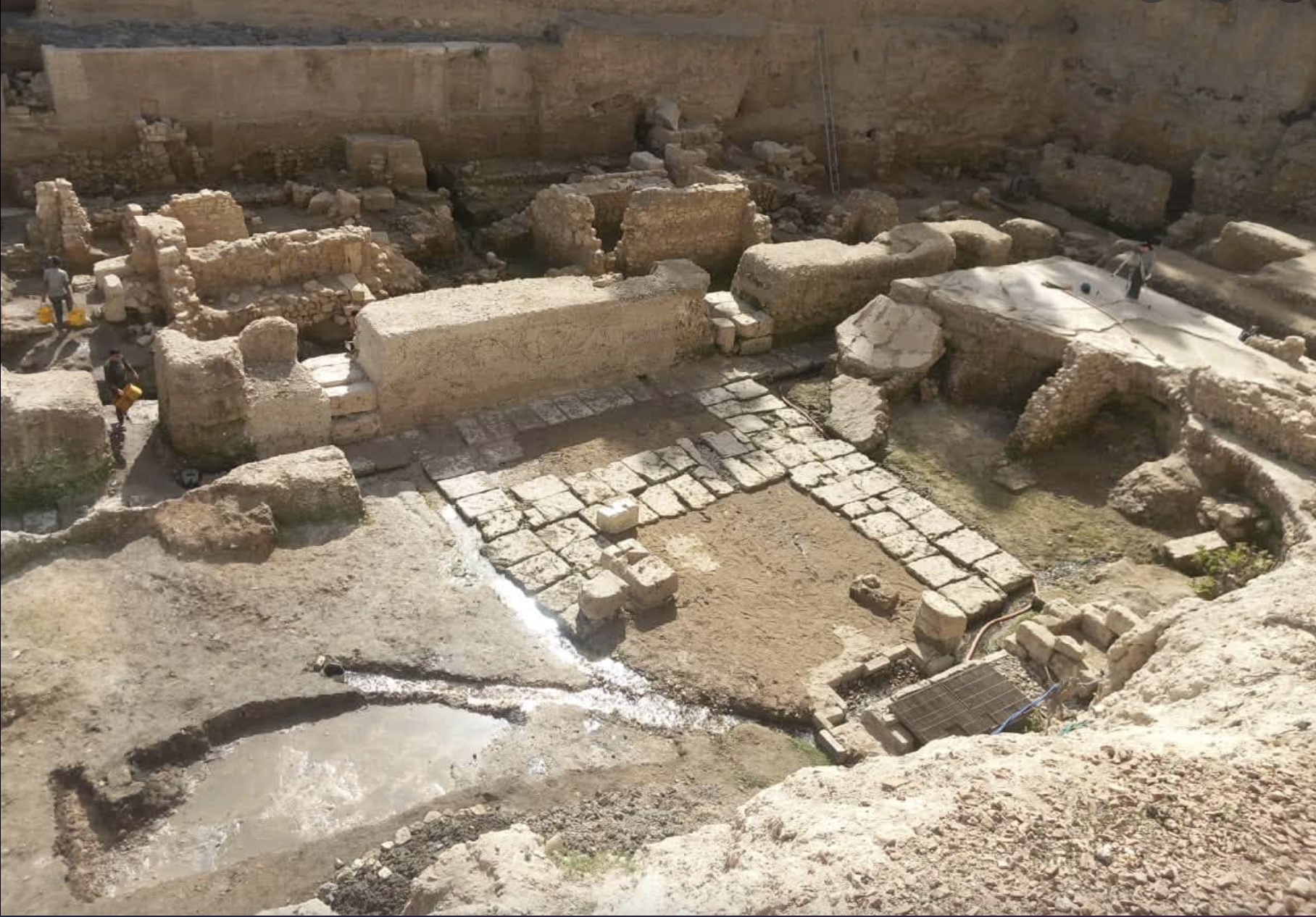
A team of researchers from the Hellenic Institute of Research of Alexandrian Civilization (HRIAC) announced the discovery of a foundation made of limestone blocks, a tunnel, and a perimeter wall at the site of the Shallalat Gardens, located in the ancient Royal Quarter of Alexandria, Egypt. The discovery occurred as part of ongoing excavations aimed at clarifying the function of the architectural complex.

A commission of specialists led by Ayman Ashmawy from the Supreme Council of Antiquities of Egypt examined the quadrangular structure and concluded that it likely supported a building of considerable height. The architectural features recovered at the site suggest that it may have had a funerary use.

Experts believe that this construction is related to a royal tomb erected by Ptolemy IV Philopator, a ruler who governed between 222 and 205 BC. The existence of this tomb is mentioned in the texts of the Greek historian Strabo, providing a historical framework for interpreting the discovery.

The site of the Shallalat Gardens is part of the area corresponding to the ancient Royal Quarter of the city founded by Alexander the Great and consolidated during the Ptolemaic period. There, remains of buildings linked to the ruling elite of the dynasty that governed Egypt for nearly three centuries are concentrated.
A Ptolemaic foundation linked to a possible royal tomb found in Alexandria

Research Advances and Historical Context

Excavation and analysis work continues to determine more precisely the purpose of the building that stood on the limestone foundation. Researchers are still assessing whether it is an independent funerary structure or an element associated with a larger complex linked to the memory of the Ptolemaic royal family.

The finding adds to a series of discoveries in recent years that have allowed for the reconstruction of aspects of the topography and architecture of the Royal Quarter of Alexandria. The city, one of the most important in the Hellenistic world, concentrated palaces, libraries, and large-scale monuments, many of which remain partially buried or below sea level.

A Ptolemaic foundation linked to a possible royal tomb found in Alexandria

The mention of Strabo is particularly valuable because the Greek geographer traveled through Egypt in the 1st century BC and left descriptions of several monuments in Alexandria. His testimony provides a concrete clue to relate the newly discovered foundation to a possible royal tomb from the Ptolemaic era.

For now, Egyptian authorities and the HRIAC team are keeping the investigation open. The goal is to complete the study of the remains, define the construction sequence, and establish whether there are additional elements that confirm the funerary hypothesis linked to Ptolemy IV Philopator.

This type of finding reinforces the value of Alexandria's archaeological heritage and allows for progress in understanding a key stage in the history of Hellenistic Egypt, when the Macedonian dynasty consolidated its power and left a lasting architectural and cultural imprint.