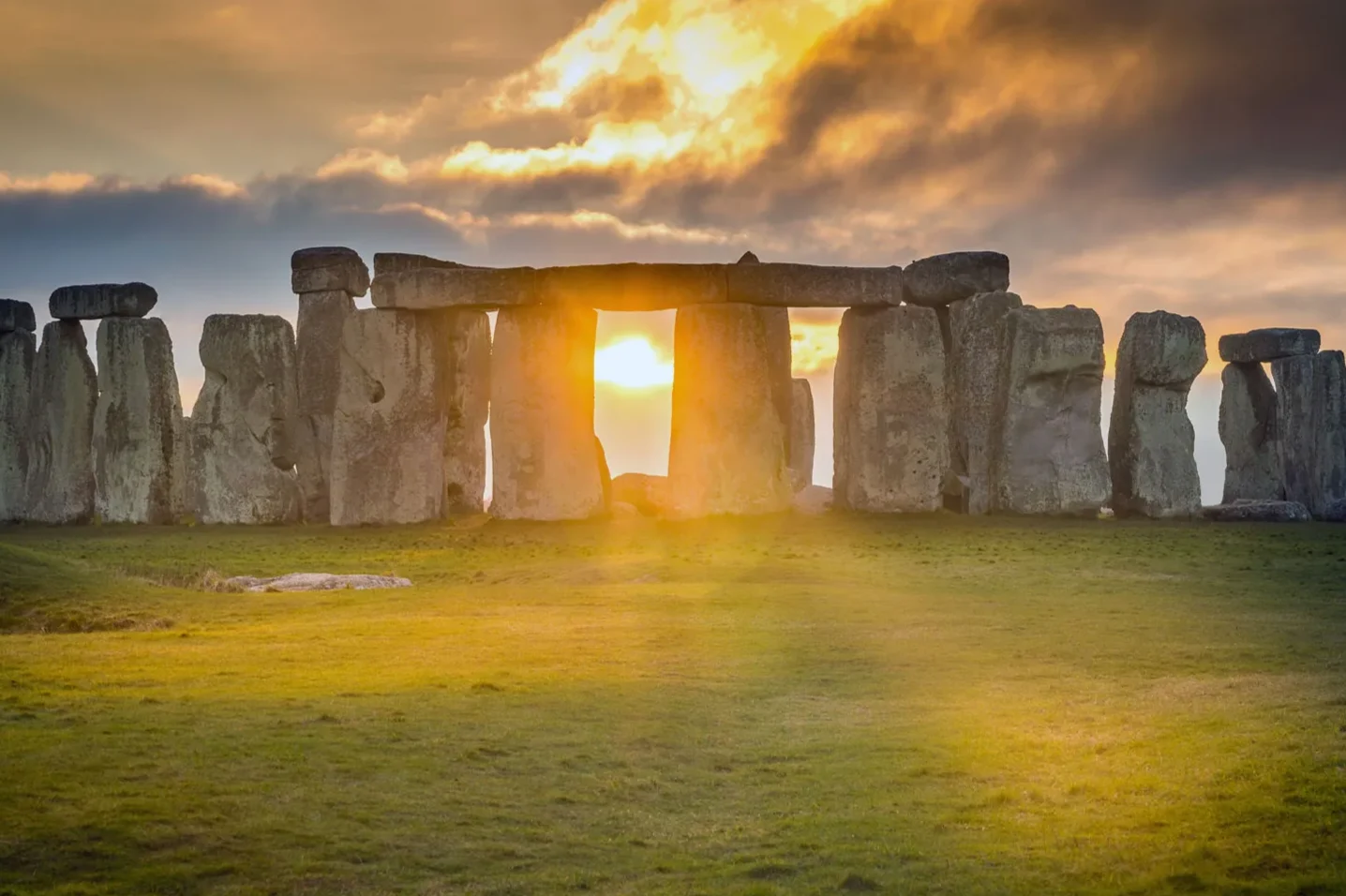

A new scientific investigation has reopened one of the great questions related to the construction of Stonehenge, the prehistoric monument located in southern England. Specialists conducted the most comprehensive geological analysis to date of the so-called Altar Stone, a sandstone block measuring 4.9 meters in length and weighing approximately six tons.
The work, published in November 2026 in the Journal of the Geological Society, allowed for the dismissal of several locations previously considered as possible sources, although it still did not determine where the rock was extracted.
For over a century, archaeologists and geologists maintained that the stone came from western Wales. However, a study published in 2024 questioned that interpretation and pointed to northeastern Scotland as its possible place of origin.
An investigation that questions the origin of the stone again
The international team combined direct observations at Stonehenge with analyses of fragments preserved in museum collections, as conservation restrictions prevent the extraction of new samples directly from the monument.
The specialists studied the sedimentary structure, minerals, chemical composition, and isotopic characteristics of the sandstone.
The combination of these techniques allowed for the creation of a detailed geological fingerprint of the Altar Stone, which was subsequently compared with various rock formations.
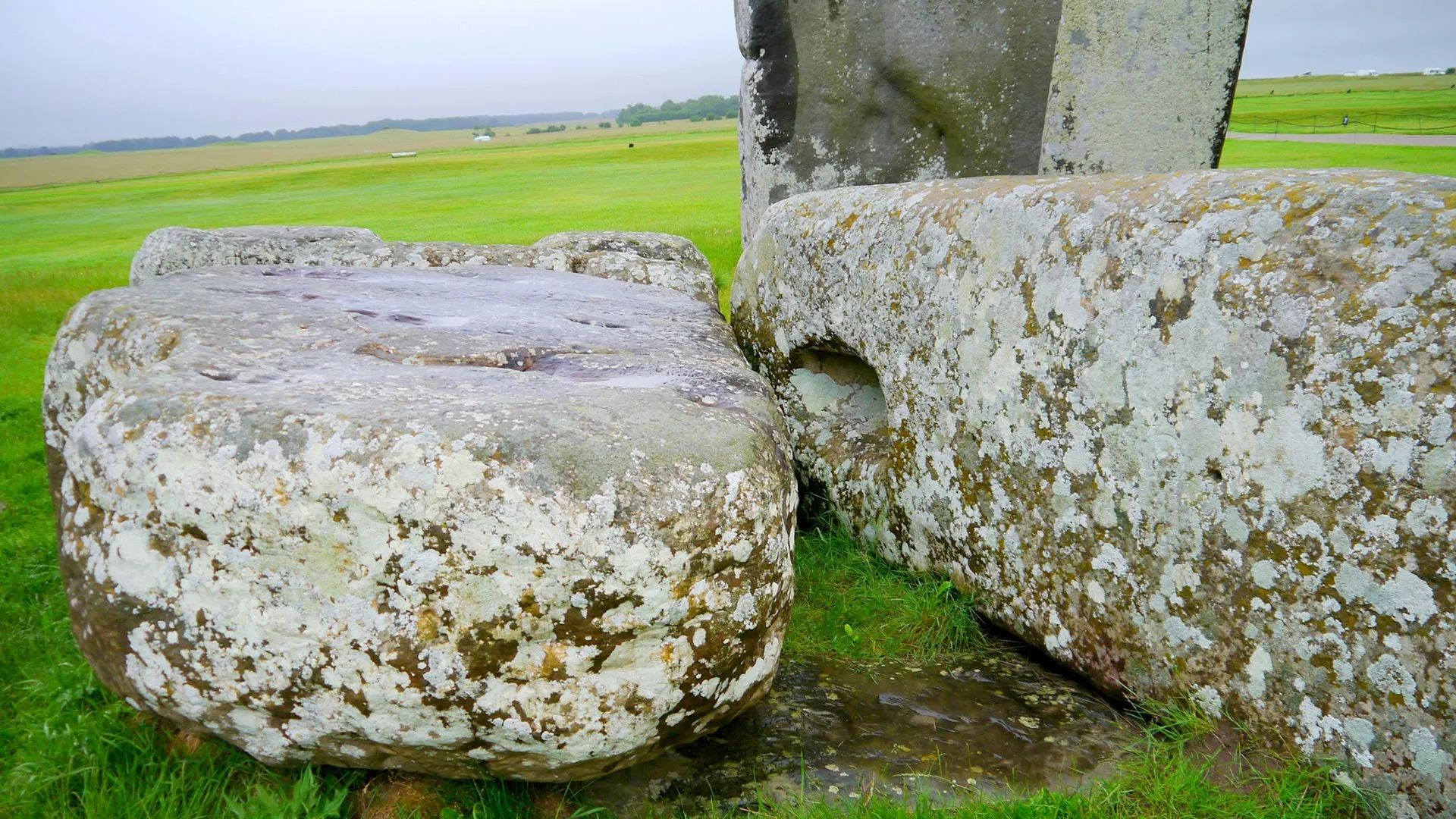
The scientists focused much of their efforts on the Orcadian basin, located in northeastern Scotland, where previous research had identified characteristics compatible with some of the minerals present in the stone.
However, none of the outcrops examined showed a complete match.
“By combining a wide range of analytical techniques, we built the clearest picture to date of its composition and tested the main theories about its origin. So far, none of the examined locations exhibit the same set of features,” explained Duncan Pirrie, emeritus professor at the University of South Wales and lead researcher of the study.
From Wales to Scotland: a search that has lasted over a century
Richard Bevins, a researcher at the University of Aberystwyth, recalled that previous work by his team had allowed for the dismissal of a Welsh origin and directed investigations toward Scottish territory.
However, the new results question the possibility that the rock specifically comes from northeastern Scotland.