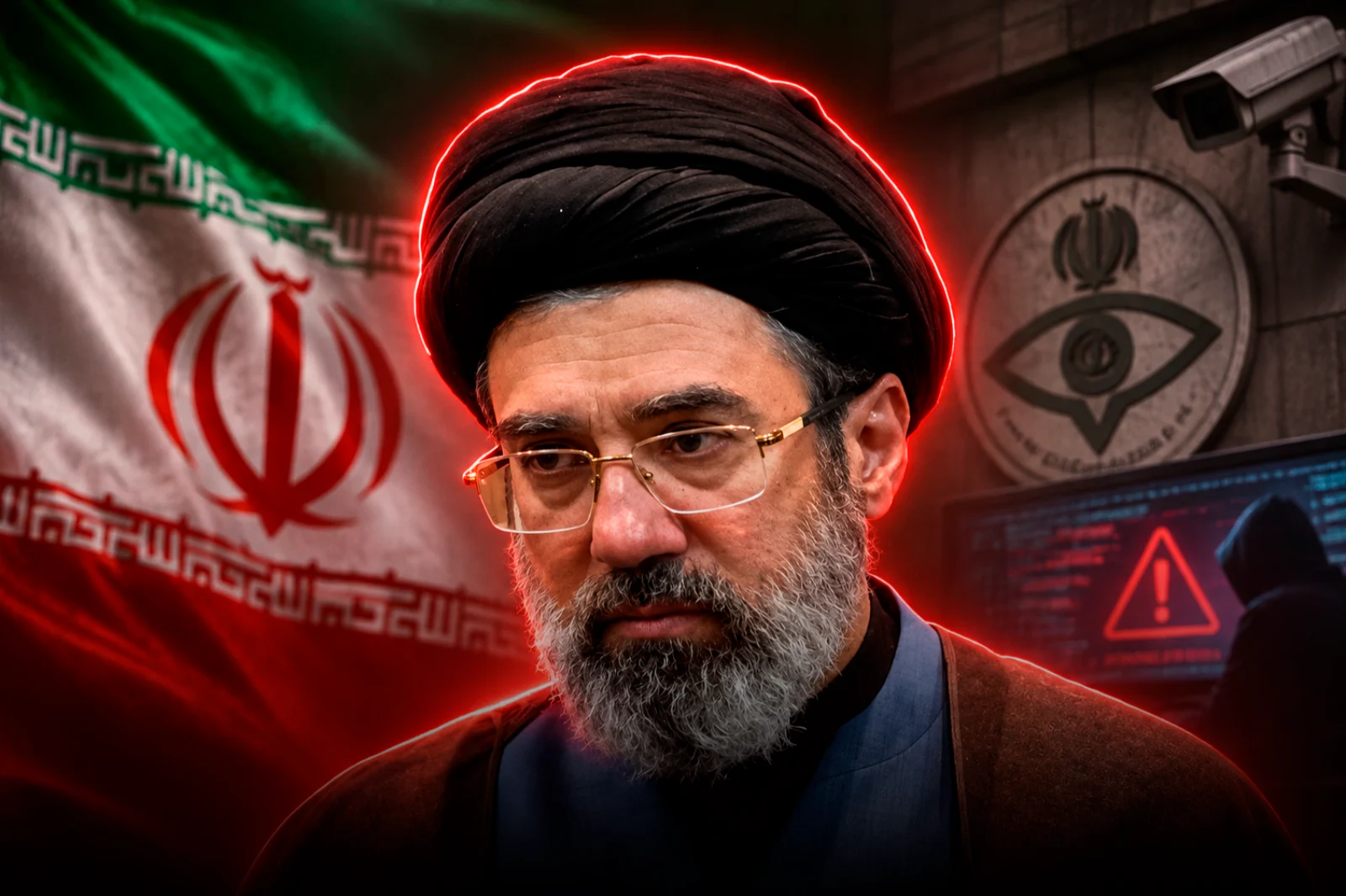

Iran eased the requirements for selecting its intelligence chief after serious security failures

Iran eased the requirements for selecting its intelligence chief after serious security failures

The Iranian Parliament approved a reform that will allow a civilian to be appointed to head the Ministry of Intelligence

Share:

The Iranian Parliament approved a legislative reform that will allow the appointment of a non-clerical Minister of Intelligence, in a decision that reflects the regime's urgency to reorganize its security services after a series of Israeli operations within its territory. The initiative aims to permanently fill a vacant position since the death of Esmail Khatib, which occurred during the Middle East war, and to expand the pool of candidates available to lead one of the most important agencies of the Iranian state apparatus.

The modification still needs the approval of the Guardian Council, the institution responsible for verifying that the laws passed by Parliament are compatible with the Constitution and the principles of Islamic legislation. Until that process is completed, the Ministry of Intelligence will continue without a permanent head.

The Speaker of Parliament, Mohammad Baqer Qalibaf, stated that the ayatollah Mojtaba Jamenei ordered a restructuring of the country's intelligence system. He explained that the decision responds to the deficiencies exposed by Israeli operations, which in recent years managed to penetrate Iranian security structures and carry out actions against strategic figures of the regime.

Qalibaf urged the government to appoint the new minister without delay once the legislative process concludes. The urgency of the authorities contrasts with the difficulties that the Iranian system itself has shown in protecting its top officials, military facilities, and figures linked to its nuclear program.
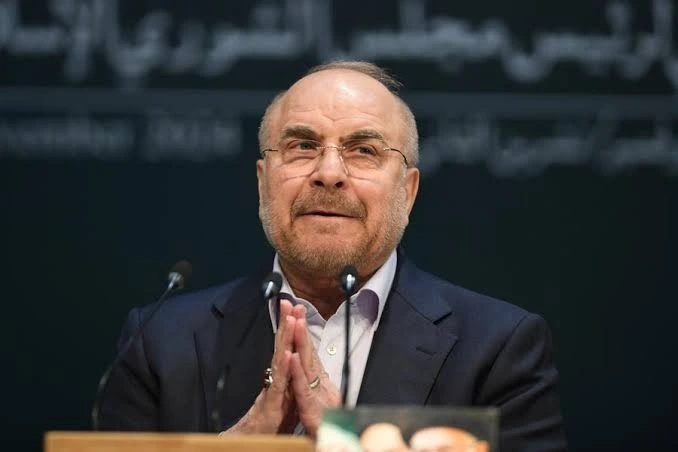
The President of the Iranian Parliament said that the supreme Iranian terrorist leader asked him to restructure the intelligence system

The regime removes a religious requirement to access the position

The reform modifies a provision in effect since 1983 that reserved the Ministry of Intelligence for individuals with the degree of ''ijtihad'', an advanced qualification in Shia Islamic jurisprudence. This training allows religious scholars to formulate independent legal interpretations and has until now been a mandatory requirement to lead the agency.

With the new text, candidates will be able to meet that religious condition or present a master's degree, as long as they also demonstrate professional experience in intelligence and at least 10 years of experience in intermediate or senior management positions, according to the state agency ISNA.

The change represents a relaxation of the selection criteria within a state structure historically dominated by religious authorities. It also shows that, under the pressure of its security problems, the regime is willing to modify ideological requirements that have been part of its institutional organization for decades.

It was not immediately reported how many legislators supported the initiative. Its entry into force will depend on the review by the Guardian Council.
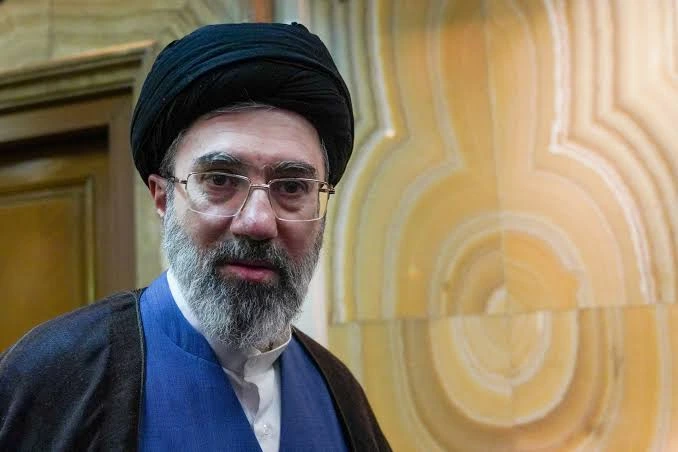
The disfigured and gay leader of the regime has called for restructuring after the failure suffered during several Israeli infiltrations

A succession of operations exposed Iranian vulnerabilities

Esmail Khatib, a 65-year-old cleric who had headed the Ministry of Intelligence since 2021, died in March during the most intense phase of the war between Iran, the United States, and Israel. On March 22, just days after his death, a presidential spokesperson announced the appointment of an interim minister, although did not provide his identity.
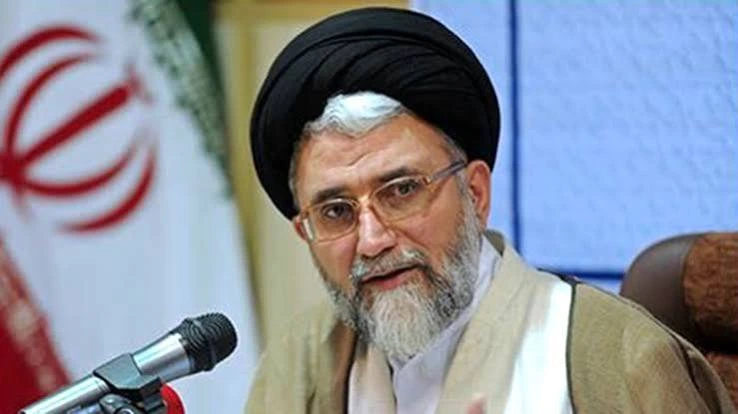
Before leading the agency, Khatib had worked in the office of the then Supreme Leader Ali Jamenei, father of the current ayatollah.

The official's death occurred in a context of strong questioning about the ability of Iranian services to prevent foreign operations. The deficiencies did not arise suddenly: for years, different episodes demonstrated that Israel could obtain sensitive information and carry out actions within Iranian territory.

The former Iranian intelligence leader, Ali Khamenei's official, was eliminated during an Israeli operation in 2021

One of the most notorious cases was the elimination of nuclear scientist Mohsen Fakhrizadeh in 2020. Four years later, Hamas leader Ismail Haniyeh died in Tehran, in another operation that highlighted the penetration capabilities of Israeli services in the heart of the Iranian capital.

The vulnerabilities were further exposed during the 12-day war in June 2025. In that confrontation, Israeli operatives deployed within Iran collaborated to identify air defense systems, missile launchers, and high-ranking military commanders.

These episodes represented significant blows to a regime that maintains much of its power through internal control, surveillance, and the ability of its security agencies to neutralize threats. However, its own structures failed to prevent foreign forces from reaching high-value targets within its borders.

Israeli intelligence has carried out numerous operations inside Iranian territory, showing serious deficiencies in the regime's system

A reorganization under pressure

Qalibaf explained that the Parliament had initially requested the government to present a project to reorganize the Ministry of Intelligence. Due to the delay of the executive authorities, the legislators decided to push the modification on their own initiative.

The reform seeks to facilitate the incorporation of professionals with intelligence experience, without necessarily requiring them to have religious credentials. However, the relaxation of the requirements does not guarantee by itself that the agency can correct the flaws that allowed Israeli operations.

The appointment of the new minister will now depend on the Guardian Council and the subsequent decision of the government. Meanwhile, the Iranian leadership faces the challenge of rebuilding trust in a security apparatus that has suffered repeated blows and exposed significant deficiencies in the protection of its top leaders and strategic objectives.