The administration of President Donald Trump intensified its offensive against the fraud committed during the economic aid programs implemented during the pandemic, after tax authorities identified approximately $100 billion in loans that show signs of tax fraud.
The finding emerged after the Small Business Administration (SBA) referred over $200 billion in suspicious loans to the Internal Revenue Service (IRS) earlier this year. The tax agency subsequently compared the information that beneficiaries provided when applying for the loans with the data they reported to the tax authorities.
The analysis allowed for the detection of discrepancies related to about $100 billion in loans, according to the SBA on September 23. The IRS must now determine whether to impose additional taxes, penalties, or other sanctions, including those associated with potential fraud cases.
The Donald Trump administration will investigate the fraud committed in economic aid programs during the pandemic
The loans under review primarily correspond to the Paycheck Protection Program (PPP) and the Economic Injury Disaster Loans (EIDL), two of the main mechanisms created by the federal government to support small businesses during the crisis caused by COVID-19.
The PPP was designed to help businesses retain their workers during the pandemic, while the EIDL program provided loans and advances aimed at covering the economic consequences of the health emergency.
The magnitude of the irregularities reflects one of the most significant problems of the federal assistance programs implemented during the pandemic. In 2023, the SBA itself estimated that around 20% of the $1.2 trillion distributed through the relief programs could have been obtained fraudulently.
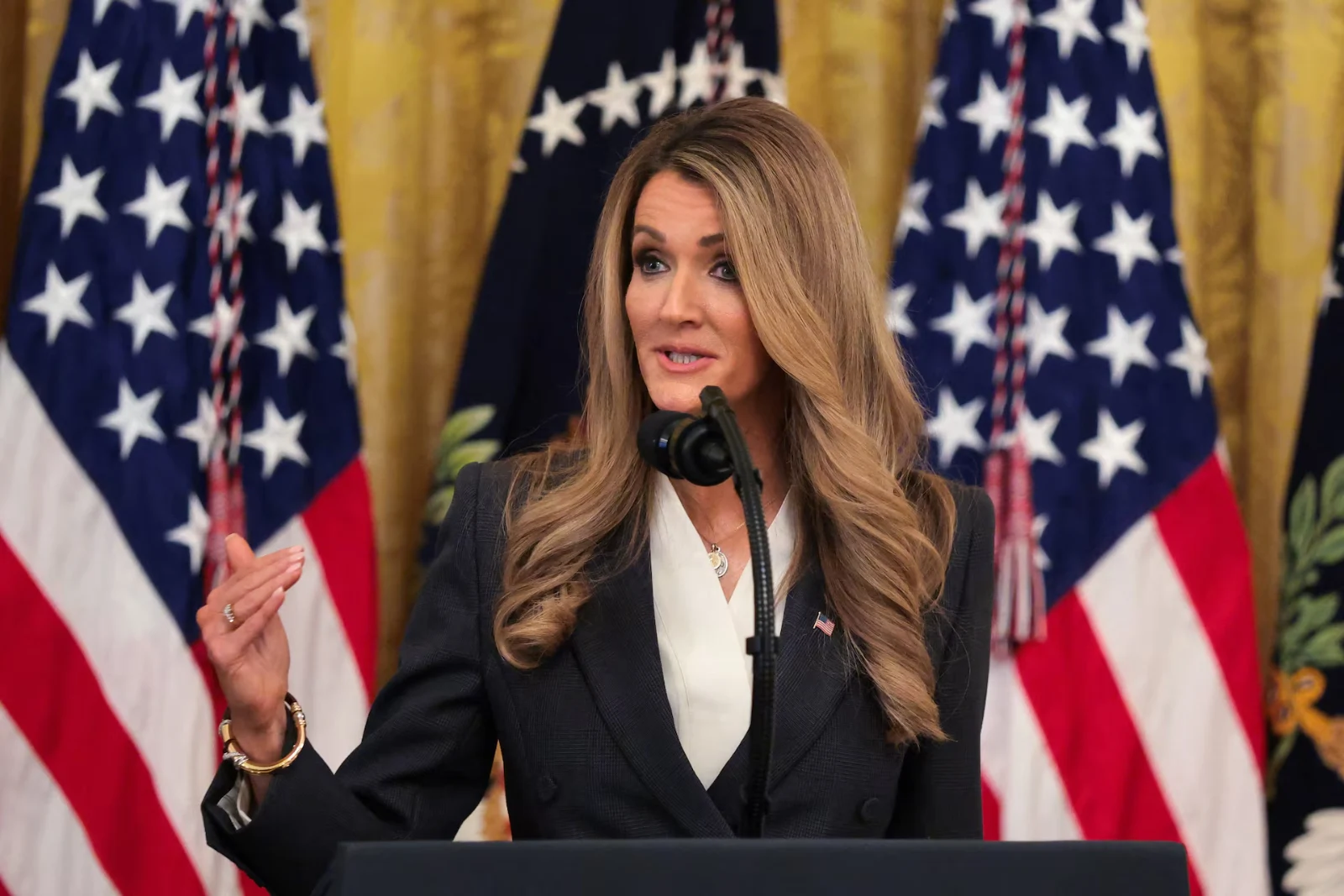
The SBA administrator, Kelly Loeffler, highlighted that the IRS review constitutes a new avenue to identify those who may have used false information to access public funds. According to the official, cases where payrolls were inflated, employees were fabricated, business records were falsified, or other incorrect data was provided will now be under greater scrutiny.
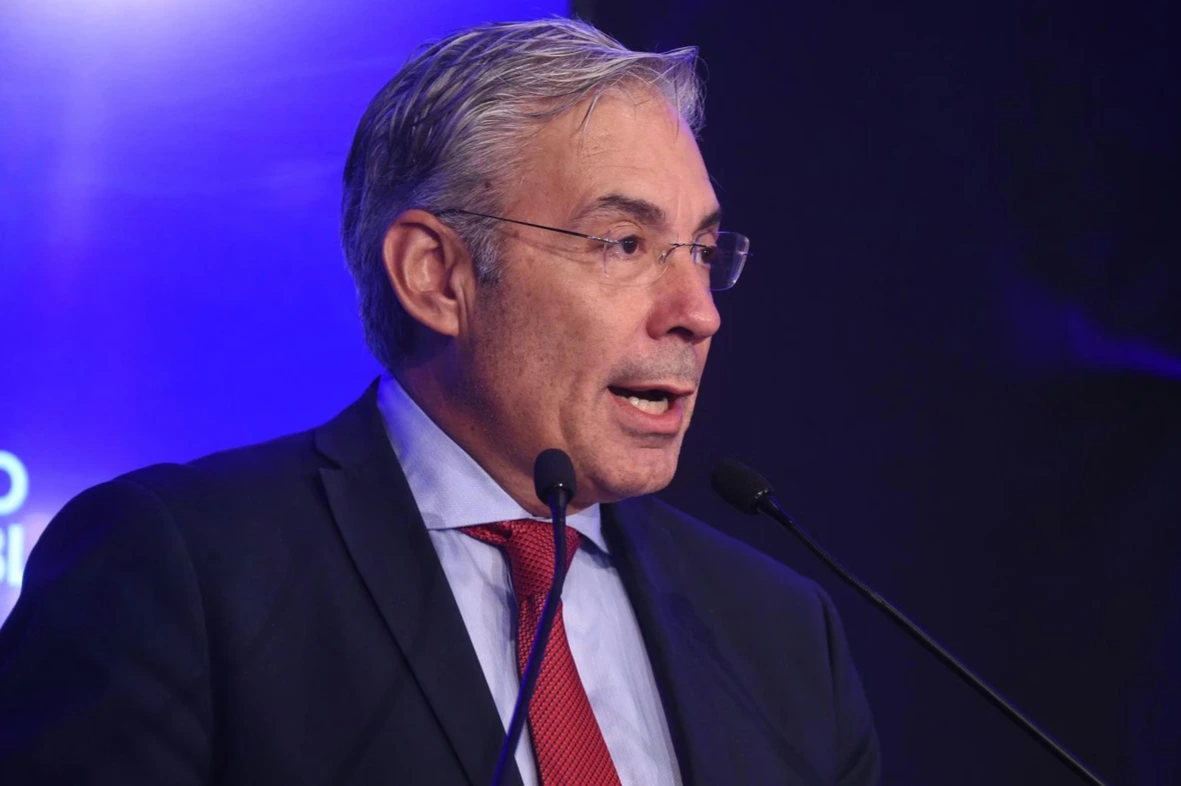
Kelly Loeffler, SBA Administrator
The Trump administration argues that the recovery of these resources and the pursuit of those responsible are part of an important strategy to protect taxpayer money and strengthen controls over federal programs.
The government has also taken other measures against those allegedly responsible for fraud related to COVID-19 loans. In April, the SBA reported that it had referred 562,000 suspicious loans to the Department of the Treasury to initiate collection processes. These are PPP and EIDL loans deemed sufficiently overdue to be sent to a Treasury office responsible for recovering federal debts.
The SBA noted that it had a legal obligation to refer those loans when they reached a certain level of delinquency. The agency also stated that during the previous administration, those cases had not been sent to the appropriate authorities for investigation and collection, a situation that the current government seeks to correct.
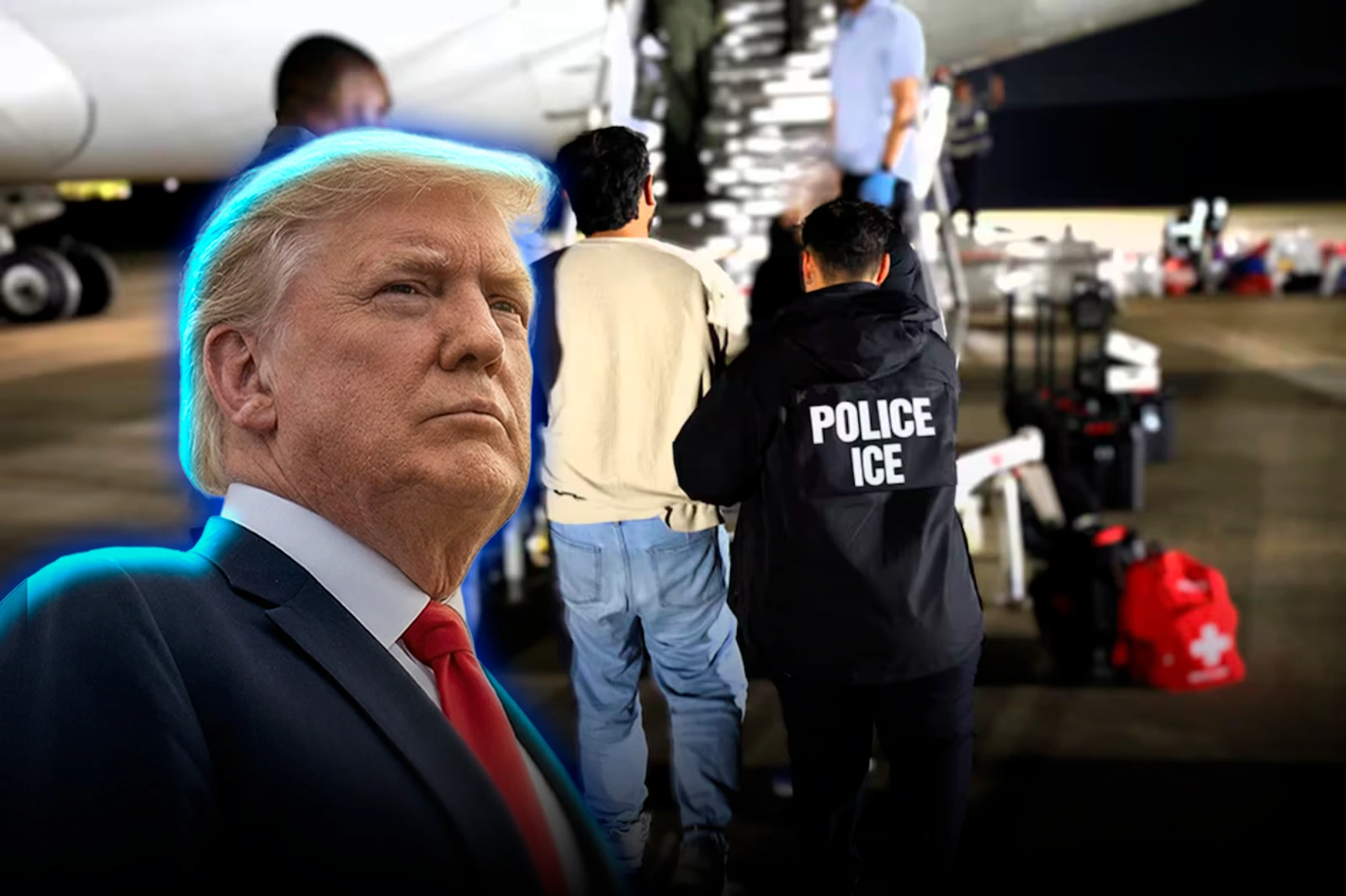
The Trump administration hopes to recover the money of American taxpayers that was misappropriated
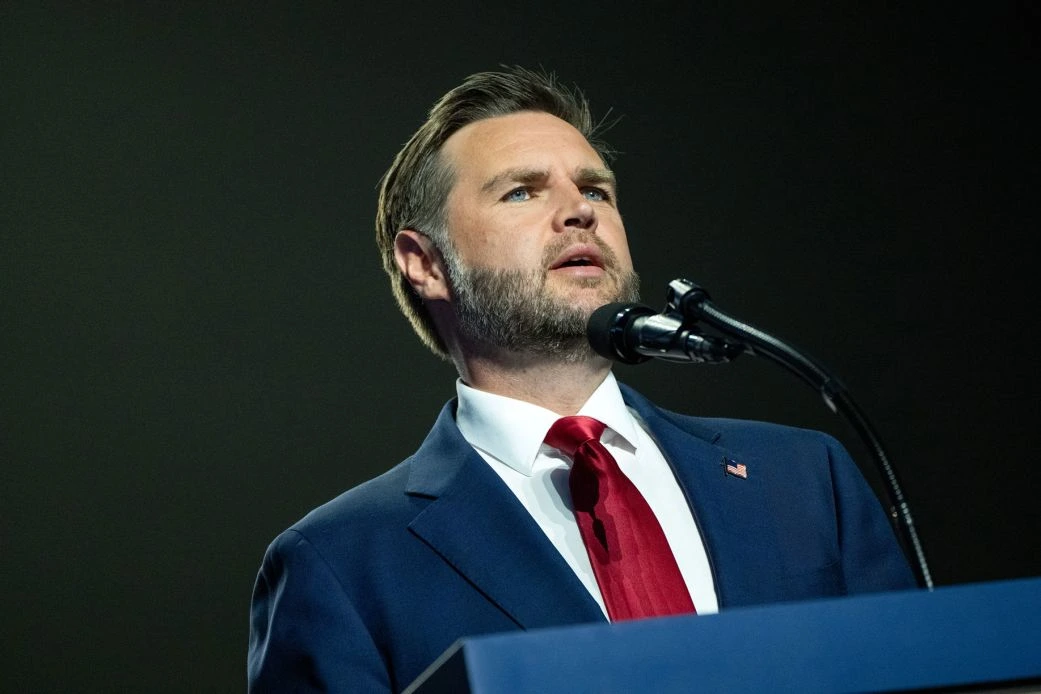
The offensive also includes restrictions to prevent individuals suspected of defrauding aid programs from receiving federal funds again. Vice President JD Vance, who leads a task force on COVID-19-related fraud, announced on September 14 the permanent suspension of approximately 870,000 individuals from future federal loans.
According to the administration, these individuals are linked to suspicions of illegally obtaining about $39 billion from programs aimed at small businesses during the pandemic.
The effort comes in a broader context of losses resulting from fraud against the federal government. The Government Accountability Office (GAO) estimated in an April 2024 report that the U.S. government loses between $233 billion and $521 billion annually due to various types of fraud.
The new data sharing between the SBA and the IRS significantly expands the authorities' ability to detect inconsistencies that could previously remain hidden. For the Trump administration, the goal is to use these tools to recover public funds, impose penalties when appropriate, and make it difficult for those who have defrauded the government to access federal resources again.
Vice President JD Vance announced the suspension of nearly 900,000 people from federal loans in the future