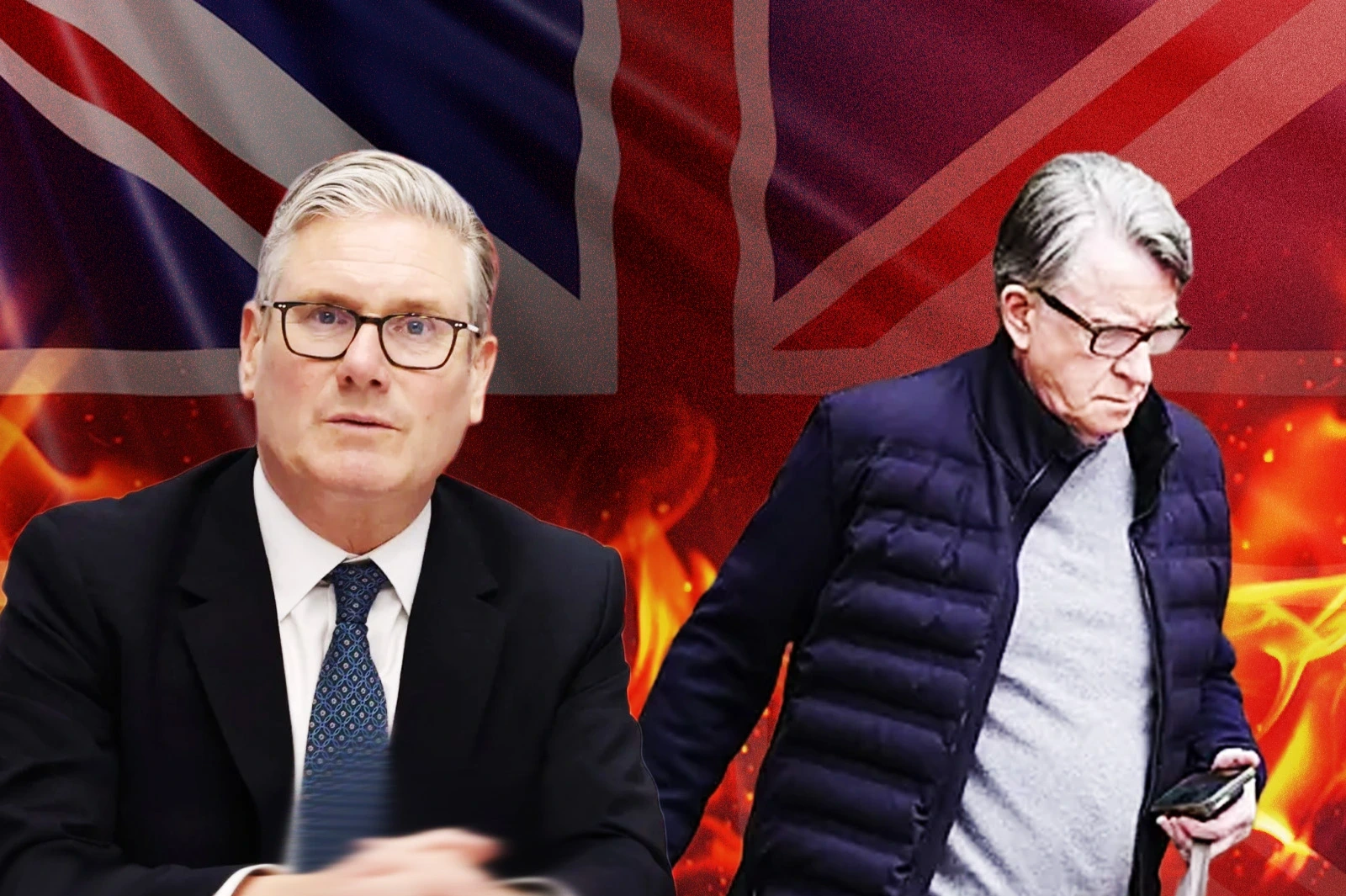
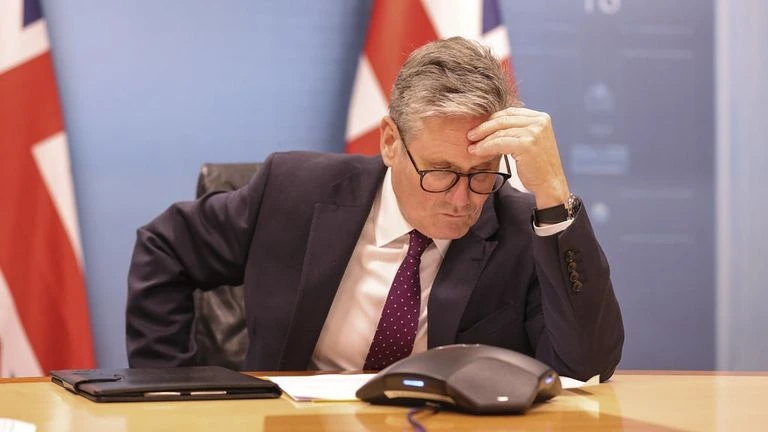
The Labour Prime Minister of the United Kingdom dissociated himself from responsibility for the appointment of the ambassador to the United States, associated with Jeffrey Epstein.
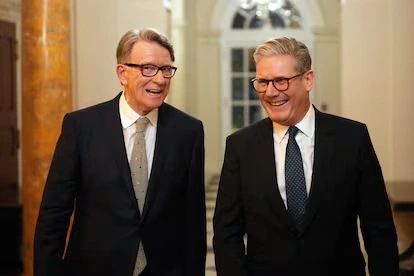
The Prime Minister of the United Kingdom, Keir Starmer, is facing a growing political crisis following the failed appointment of Peter Mandelsonas ambassador to the United States, a scandal that has caused doubts his leadership and the inner workings of the British government's control mechanisms.
At the center of the controversy is the security verification process known as “developed vetting” (DV), an indispensable requirement for officials who need frequent and unrestricted access to high-level classified information.
Mandelson requested this authorization after his appointment had already been announced, which has generated strong criticism of the sequence and rigor of the process. In their case, the evaluators opted for the most serious qualification: refusing authorization
.
The DV system involves extensive controls. Candidates must undergo detailed interviews, complete extensive questionnaires and provide personal references to evaluate their character and history. The evaluations even consider sensitive aspects such as personal finances, professional relationships and personal history. Final decisions can be classified into three levels: approval, approval with conditions or denial, the latter being the one applied to Mandelson
. The Prime Minister of the United Kingdom seeks to detach himself from his role in the appointment of Peter Mandelson as ambassador to the United States
This process is largely managed by the UK Security Verification System (UKSV), an agency under the Cabinet Office. Their reports are highly confidential and are not made public, even to those evaluated themselves. Paradoxically, politicians are not subject to this type of control, since their democratic mandate grants them access to sensitive information, which has fueled the debate about possible gaps
in the system.
The controversy intensified in January 2026, when the release of new documents linked to Jeffrey Epstein rekindled scrutiny over Mandelson's relationship with the convicted financier. This led to a parliamentary offensive led by the conservative opposition, which prompted an unusual figure known as a “humble petition”, forcing the government to disclose all documents related to
the appointment.
In response, Cabinet Office officials began gathering information, leading to the discovery in March that Mandelson had failed the verification process. However, according to subsequent revelations, it took several weeks before this information was communicated to Starmer. Government sources indicated that the delay was due to legal inquiries about whether it was appropriate to inform the prime minister, an explanation that has been met with disbelief by
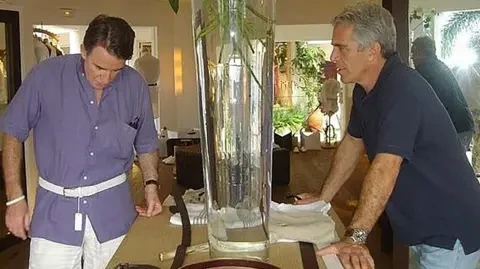
the opposition. Peter Mandelson was singled out as one of the closest people to financial pedophile Jeffrey Epstein
Starmer has defended his actions, asserting that he was never informed of these key details and that, had he known, he would not have approved the appointment. However, this position has been severely questioned. Critics argue that a government leader cannot dissociate himself from responsibility in such an important appointment, especially when it involves a
strategic diplomatic position.
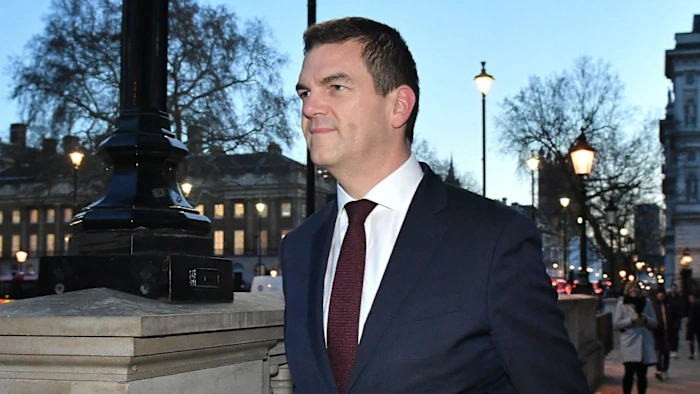
The crisis worsened even more when Starmer decided to dismiss Olly Robbins, a senior official in the Ministry of Foreign Affairs, whom he held responsible for validating the process. This decision has been interpreted by opposition sectors as an attempt to divert blame to technical levels instead of assuming direct political responsibility
.
In parallel, the Parliament decided that the most sensitive documents related to the case should be reviewed by the Intelligence and Security Committee (ISC), a multiparty committee with access to classified information. This body will have the power to determine what material can be made public, in a move considered unusual, since normally these decisions require the approval of the Prime Minister
. Instead of taking responsibility for the appointment of Mandelson, Starmer decided to fire members of his cabinet
The process has been marked by internal tensions within the government, especially over whether disclosing UKSV information would represent a dangerous precedent in terms of confidentiality. Although it was finally decided to hand over the documents to the ISC, a clear schedule for their publication has not yet been established
.
From the opposition, Conservative Party leader Kemi Badenoch has been one of the most critical voices, accusing Starmer of incompetence and of avoiding the consequences of his decisions. In Parliament, he argued that the prime minister has chosen to blame his officials instead of demonstrating leadership at a time of
crisis.
The scandal comes in a delicate political context, a few weeks before local elections in which the Labour Party could face significant losses. Although there have been no open calls for resignation within the party yet, the controversy has weakened Starmer's public image
. The socialist prime minister of the United Kingdom faces harsh criticism both in the opposition and in his own party and was singled out as incompetent for office.