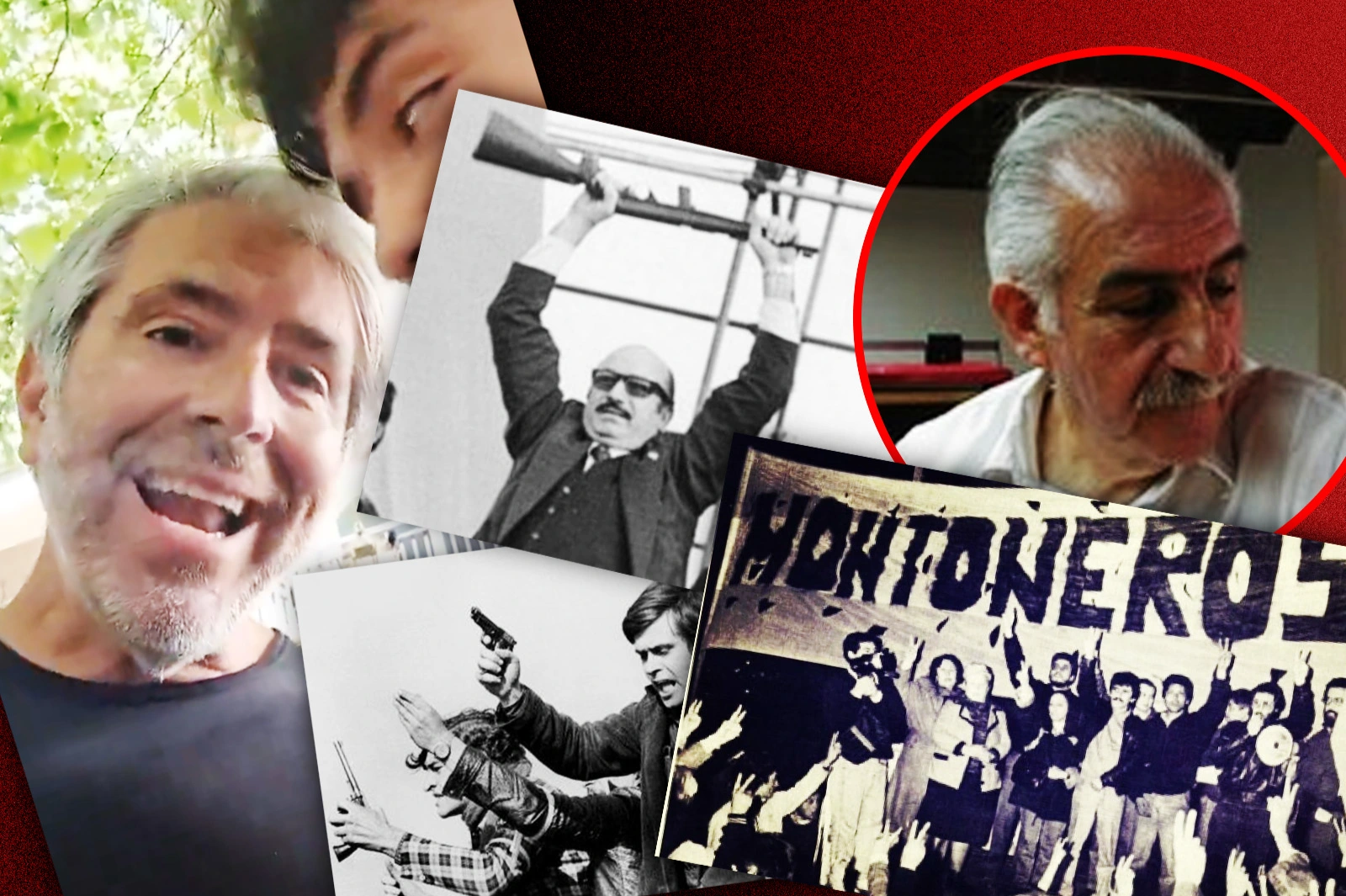
The case of violence against students at the Buenos Aires National College escalated even more after the identification of one of the aggressors: Bruno Esteban Balestieri, a former employee of the Buenos Aires government and a descendant of montoneros who was accused of threatening minors.
Balestieri was identified as one of the adults who rebuked and threatened underage students who were handing out leaflets on the school sidewalk. In the records released on social networks, he is seen starring in scenes of strong tension, with intimidating expressions and inviting young people
to fight.
But what makes the case more than an isolated event is his personal and professional situation. According to official documentation from the Government of the City of Buenos Aires, Balestieri served on the Council for the Rights of Children and Adolescents (CDNNya), the body responsible for ensuring the protection of minors. It was contracted under the modality of service location during the administration of Horacio Rodríguez Larreta
.
A person who was part of a state structure designed to protect children and adolescents is now being reported for threatening secondary students. The fact is no small, since it introduces an institutional element that increases the seriousness of the episode.
Added to this is another key factor: Balestieri maintains a direct and daily link with the school environment. Bruno has a printing press located in front of Nacional Buenos Aires, which reinforces complaints about repeated situations of harassment
against students at the institution.
Son of a terrorist from Montonero
Oscar Guillermo Balestieri
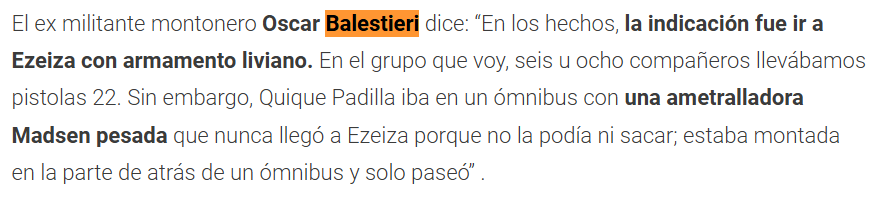
The point that ended up erupting the controversy surrounding the child aggressor is his family environment. Bruno Balestieri is the son of Oscar Guillermo Balestieri, identified in different historical records as a former Montonero militant. In testimony about the events in Ezeiza in 1973, Oscar Balestieri himself acknowledged the presence of armed militants within the columns linked to that organization in the
Ezeiza massacre.
The parallel with other recent cases did not go unnoticed. At the National University of Lanús, professor Juan Tumini —also involved in attacks on libertarian students—is the son of Humberto Tumini, a former member of the ERP. In both episodes, a pattern that combines leftist militancy, family history linked to terrorist organizations and violence against liberal youth appears
. Oscar Balestieri, acknowledging his participation in the Ezeiza massacre in an article in Infobae.
Although the historical contexts are different, the reiteration of these profiles in acts of political aggression rekindles the debate about the persistence of violent and intolerant practices in left-wing sectors. The response to dissent, far from being channeled into debate, leads once again to intimidation