The pontiff's historic gesture in the Great Mosque of Algiers takes place in a context of interreligious dialogue, but also of limitations for Christian minorities.
At the continental level, the reality is more diverse. Africa has one of the fastest growing Christian populations in the world, especially in regions such as sub-Saharan Africa. Countries such as Nigeria, Democratic Republic of Congo and Kenya concentrate millions of faithful and active communities that play an important role in social and political life
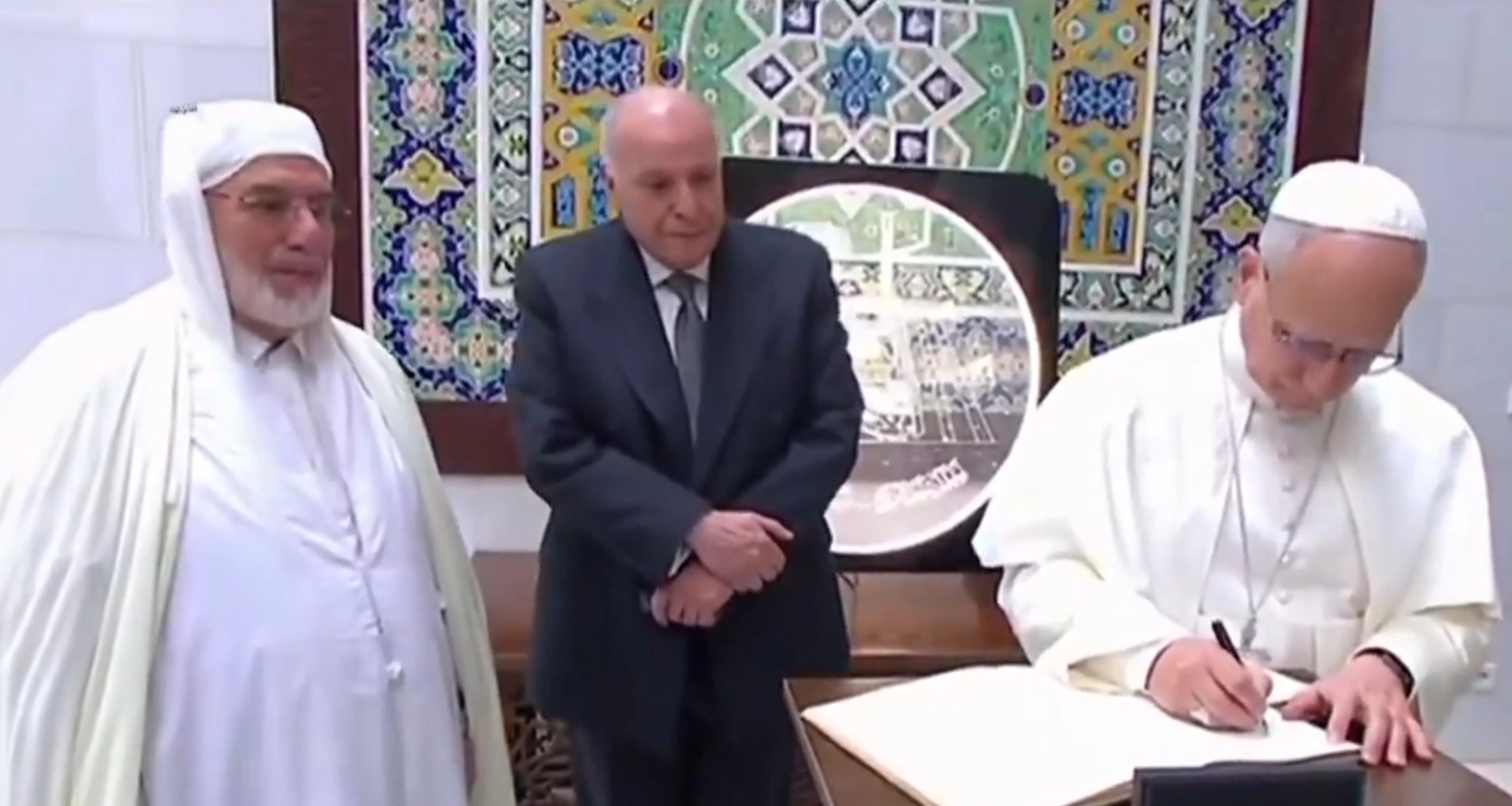
Leo XIV's visit to Algeria left an unprecedented image: his signature on the book of honor of the Great Mosque of Algiers, becoming the first Pope to star in this gesture in an Islamic temple in that country. The event was interpreted as a symbol of rapprochement between religions and an impetus for dialogue in a region with a strong Muslim identity
.
During his time in Algiers, the pontiff emphasized the importance of peaceful coexistence and mutual respect between faiths. This message is part of a broader strategy of the Vatican, aimed at strengthening ties with the Islamic world and promoting spaces for cooperation in contexts where religious differences have historically been sensitive
. Pope Leo XIV signing the book of honor of the Great Mosque of Algiers
However, the gesture also acquires relevance depending on the situation of Christian communities, both in Algeria and in the rest of Africa. In the Algerian case, Christians represent a small minority and operate under religious persecution that conditions their public visibility
.
However, this expansion is faced with significant challenges. In some areas, especially in regions of the Sahel and West Africa, Islamic terrorist groups have attacked Christian communities, raising international concern for security and religious freedom. In other countries, tensions are rather social or political, linked to the coexistence of different denominations
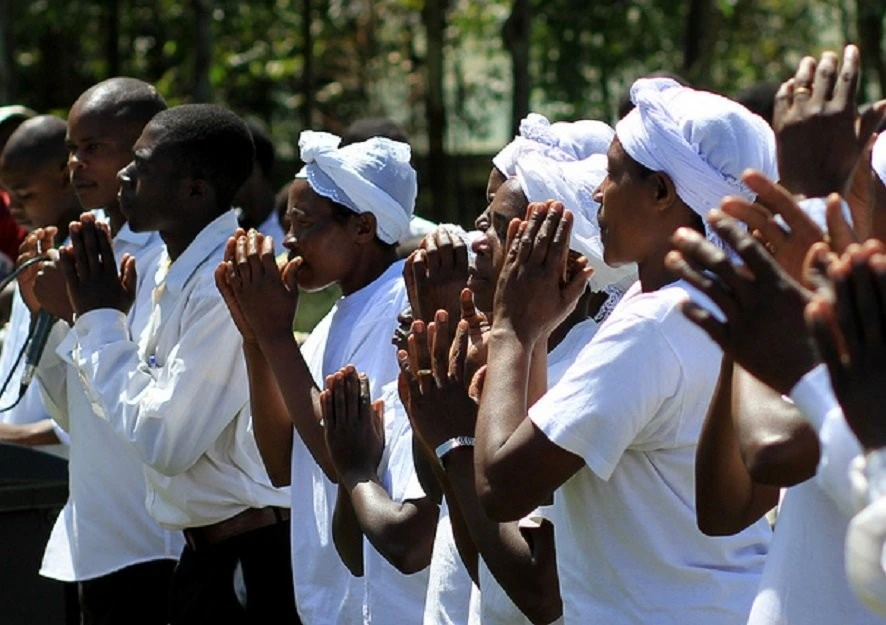
. African Christians praying
In this context, the Pope's visit takes on a dimension that goes beyond Algeria. The gesture at the mosque seeks to strengthen dialogue with Islam, but is criticized for not making visible the situation of Christians in Africa, which ranges from contexts of full integration to scenarios of
greater vulnerability.
Thus, the image of the pontiff in Algiers becomes a symbol of balance between two objectives: to promote interreligious coexistence and to put on the agenda the reality of millions of believers in a continent that is key to the future of Christianity.