According to a report released by Iran International, which cites sources close to the presidency, the most tense episode occurred on Saturday, April 4, during a meeting with Hossein Taeb, a leader with strong influence and close to the supreme leader Mojtaba Khamenei.
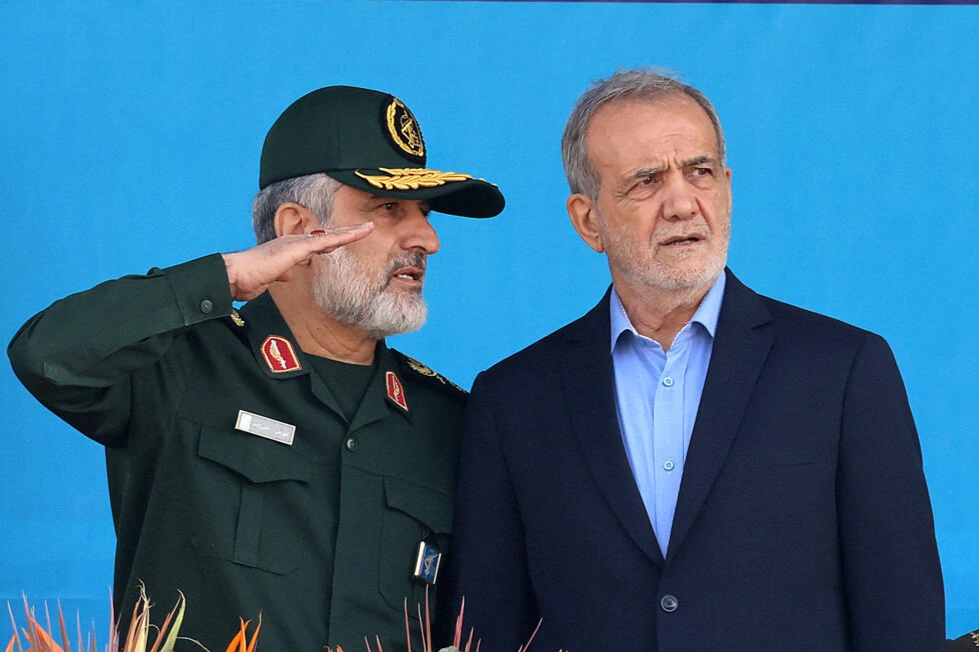
During that encounter, described as unusually aggressive, Pezeshkian aimed directly at the military leadership. In particular, he questioned the commander-in-chief of the Islamic Revolutionary Guard Corps, Ahmad Vahidi, and the head of the unified command, Ali Abdollahi. According to the report, the president accused them of operating autonomously and without coordination with the executive branch
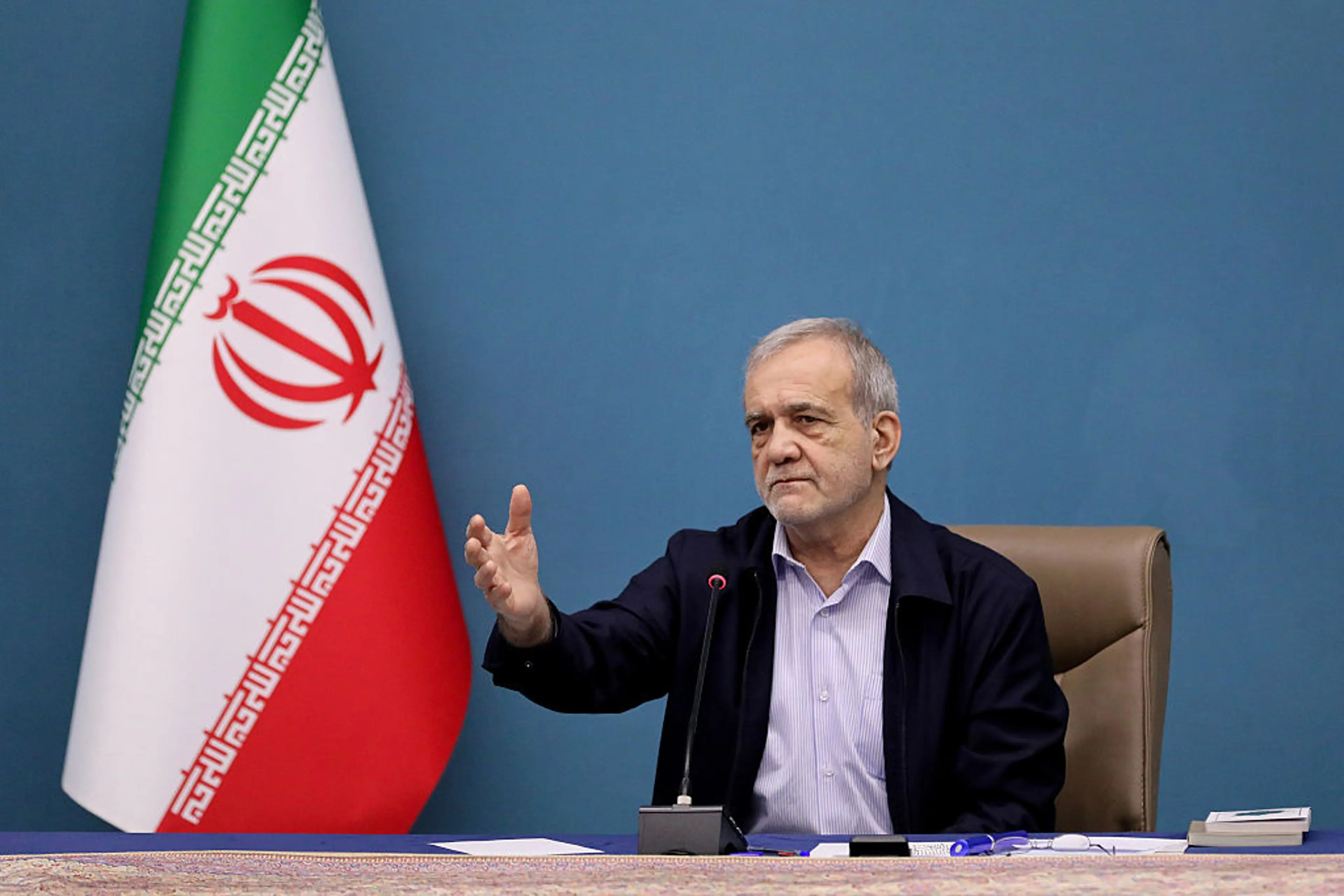
. Masoud Pezeshkian. The president maintains that these actions include attacks against infrastructure in neighboring countries, decisions that, he warned, have eliminated any room for advancing diplomatic negotiations.
In this context, he launched a strong criticism, pointing out that the current strategy is leading Iran towards a “monumental catastrophe”
.
Iran's economy The
tension is not limited to the military or strategic level. The economic axis appears to be one of the main points of conflict.
According to the assessments presented by Pezeshkian, the Iranian economy does not have the capacity to sustain a prolonged confrontation under current conditions. In this regard, the president warned that, if the course is not changed and a ceasefire is not reached, the economic system could collapse within three weeks and a
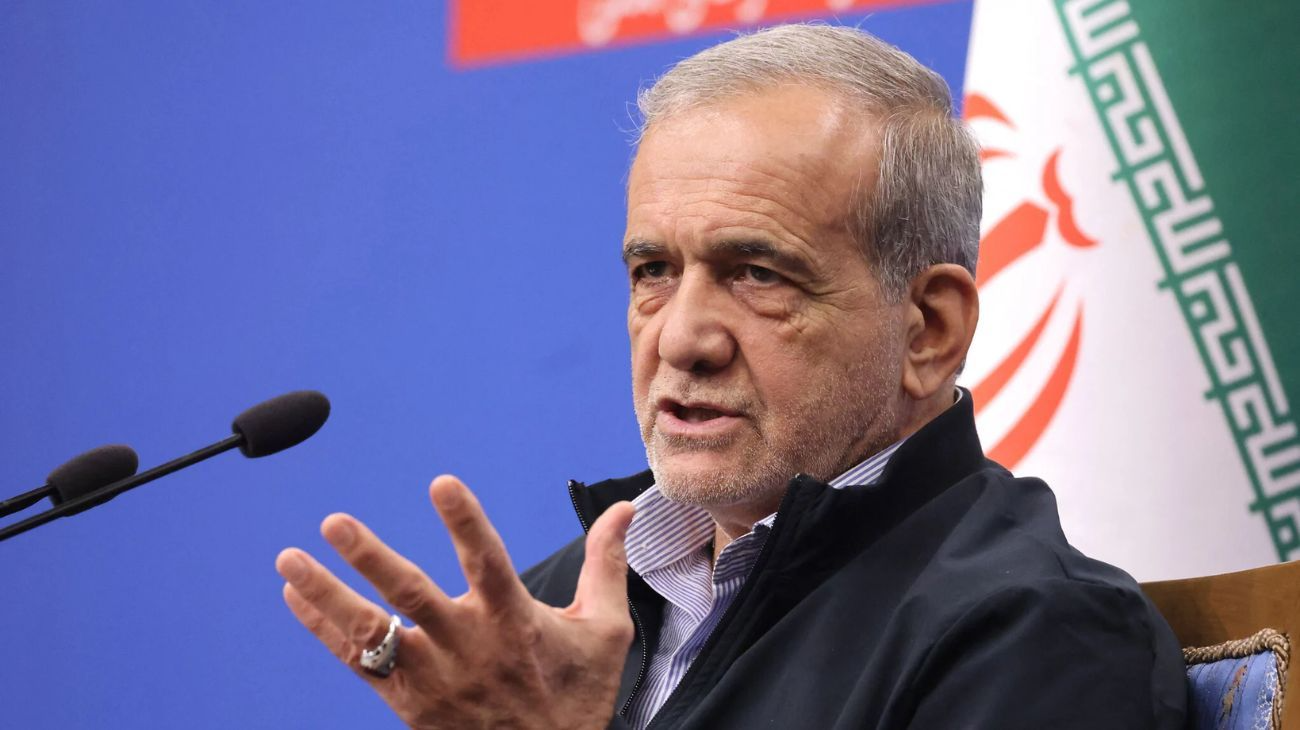
month. Masoud Pezeshkian.
This scenario also reflects a deterioration in presidential authority. Previous reports cited by the same media indicate that the Revolutionary Guard has systematically blocked key Executive decisions, including attempts at appointments in
sensitive areas.
One of the most relevant cases was the attempt to appoint a new intelligence minister, an initiative that did not succeed. Under direct pressure from Vahidi, the president would have had to accept the appointment of figures close to the military in strategic positions, such as the secretariat of the Supreme National Security Council
.
This process has resulted, according to analysts, in the consolidation of a “hidden state” that displaces both the civil government and the regime's clerical scheme.
The growing influence of the Islamic military structure within the state apparatus reveals a power dispute that, in the context of the war, aggravates political and economic uncertainty in Iran.