

In the midst of one of the most controversial judicial processes linked to the use of public funds during Kirchner governments, the oral trial over the scandal of the Sueños Compartidos housing plan brought back under the spotlight the management of hundreds of millions of pesos earmarked for social policies.
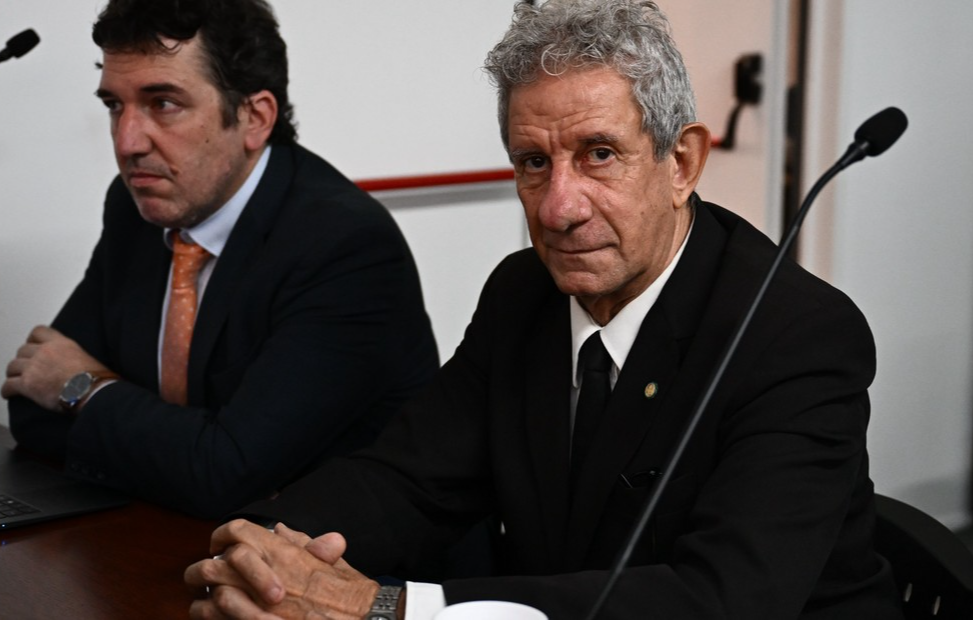
The case investigates an alleged fraudulent administration of 748 million pesos transferred by the national State to the Madres de Plaza de Mayo Foundation between 2008 and 2011, during the administration of Cristina Fernández de Kirchner.In this context, the former director of the organization, Sergio Schoklender, made explosive statements before the court, arguing that part of these resources would have been used to finance political events, mobilizations and electoral campaigns of Kirchnerism, including activities linked to the former president herself and her then running mate, Amado Boudou. The statements of the former director came during his investigation in the oral trial for the diversion of funds from the Shared Dreams housing plan, where he assured that the money that should be allocated to social works was used for political purposes by direct order of the then president of the foundation, Hebe de Bonafini
.
As he said, “by order of Hebe de Bonafini” funds were diverted to finance the campaigns of Cristina Fernández de Kirchner, Amado Boudou and other leaders aligned with Kirchnerism. During his statement, Schoklender stated that Bonafini “was extremely co-opted by Cristina (Kirchner), Parrilli (Oscar, then Secretary General of the Presidency), Zannini (Carlos, former Legal and Technical Secretary) and all that runfla”. Bonafini had also been prosecuted in the case, although she died in November 2022 before facing
trial.The former director also reported that political demands came constantly from the Kirchnerist environment. Dressed in a black and white t-shirt during the hearing, he explained that later “came the unusual and delusional demands”, such as stopping the works to mobilize workers to political acts. As he explained, they were required to organize mobilizations “for the acts of Cristina or Boudou or the campaign of (Carlos) Heller”, which involved financing microphones, stages, flags, parades, security and speakers, among other logistical expenses
.Schoklender assured that program resources were also allocated to other activities linked to the Kirchner militant apparatus. Among them, he mentioned the creation of a cultural center on the ESMA property, the payment of salaries to members of the group CHILDREN or children of exiles, and various initiatives promoted by the foundation. The former director said that these funds also financed “the Congress on Mental Health and Human Rights and the University of the Mothers. And posters for K candidates from any corner of the country
.”In 2010, it was even suspected that the foundation had financed the printing and stickers of posters against journalists from the Clarín newspaper, in the context of the strong confrontation between Kirchnerism and the press. The money, according to Schoklender, also served to support “the Mothers radio with its own building and equipment and its own apartment for Hebe. Plus the trips of the Mothers. Incalculable,” he said during the hearing held by Zoom in the oral trial on Thursday of
this week.In his statement, the former manager said that “there was plenty of money because bribes are not paid and the only two people to decide the fate were Hebe and me”. Schoklender also argued that, at the time, the foundation became “due to construction certificates the first construction company in the country”, although they tried to enter the Argentine Chamber of Construction and were blocked by its then president, Carlos Wagner. The judicial case originated after a journalistic investigation published by the Clarín newspaper in 2011 and it was only 14 years later that it finally reached
an oral trial.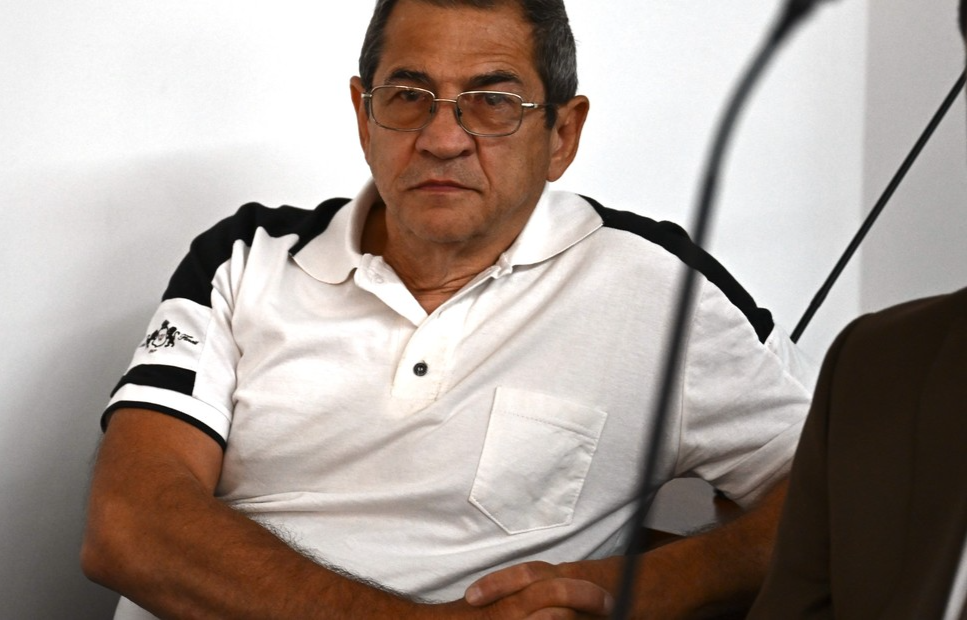
During his testimony, Schoklender also stated that “while we were doing all this, the friends of Planning were drowning us financially”, delaying payments for construction certificates. As he explained, the foundation accumulated a social security debt of 70 million pesos, a figure that, when updated, would be around 200 million. In 2011, control of the Shared Dreams plan passed to the then Minister of Economy, Amado Boudou