The project proposed to allow terminally ill adults, in full use of their mental faculties and with at least one year of residence in Scotland, to end their lives under medical supervision. However, the proposal failed to overcome the concerns of a majority of legislators, who warned of its potential ethical and social consequences
.
The vote comes in a context of notable public support for the legalization of assisted suicide in the United Kingdom, with polls showing that close to 80% of the population supports some form of this practice, which shows how much progressive ideology has infiltrated Great Britain. Despite this, legislative progress has been limited and they face significant political and institutional obstacles
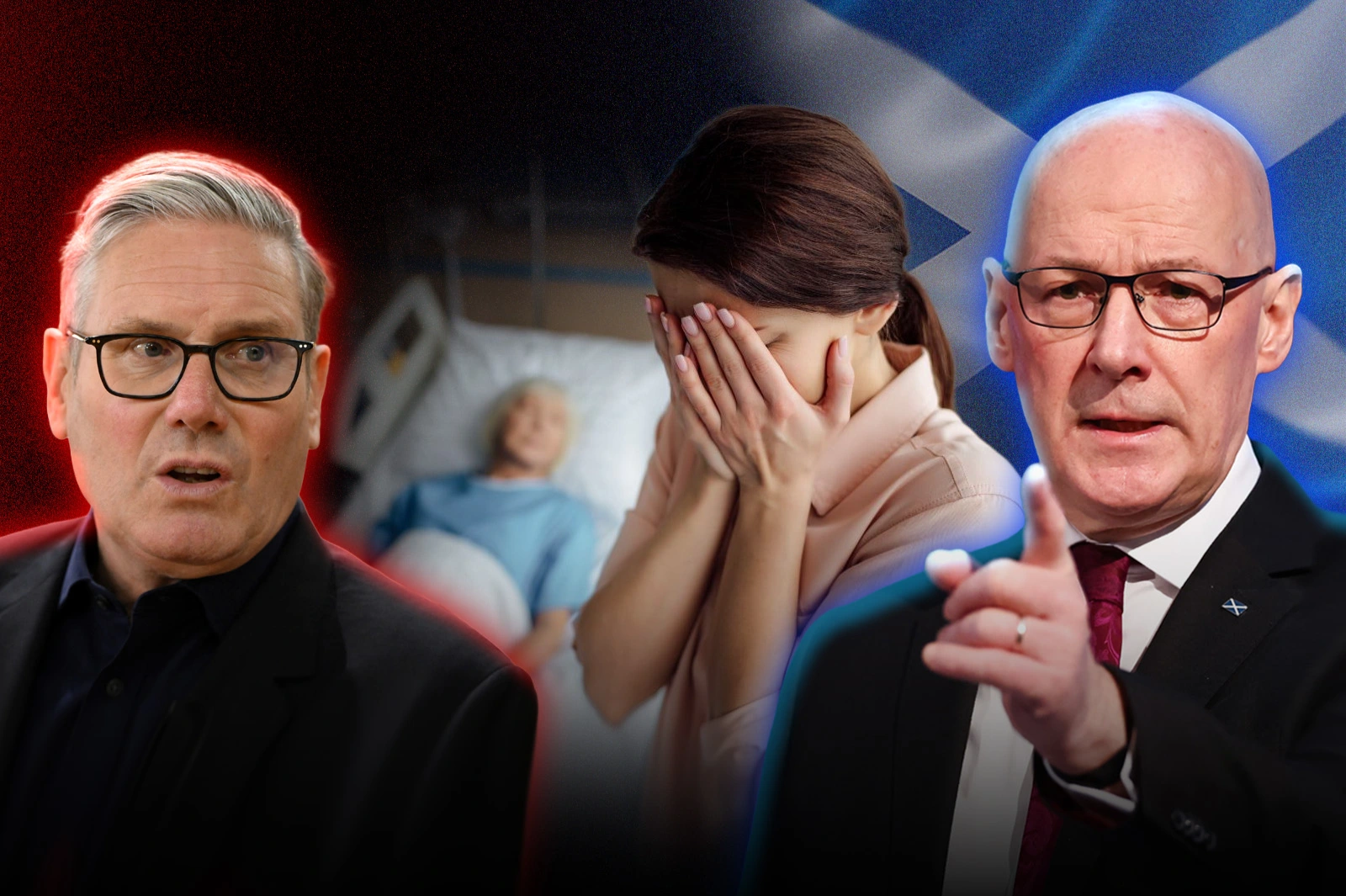
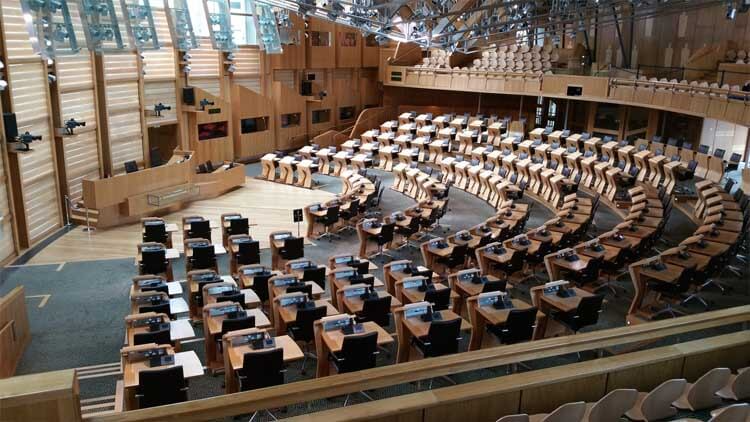
. The Scottish parliament refused to move forward with a bill that legalizes euthanasia by 69 votes against 57 in favor
In England and Wales, a similar project made headway in the lower house of the British Parliament, but it is currently stalled in the House of Lords. The accumulation of amendments and the lack of parliamentary time threaten to prevent their final approval in
this instance.
Among the arguments that tipped the balance in Scotland, there were warnings about the potential impact on vulnerable people, such as the elderly, the disabled or patients with serious illnesses. Critical legislators pointed out that legalization could create indirect pressure on these groups, affecting real freedom of choice
.
In addition, doubts were raised about the system's ability to ensure strict controls that ensure fully voluntary and informed decisions. Questions were also raised about the role of health professionals, given the possible conflict between the practice of euthanasia and traditional principles
of medicine. Several health professionals argued that they have reserves of value with respect to this nefarious practice.
The rejection in Scotland adds to the uncertainty in other territories linked to the United Kingdom. Similar initiatives in jurisdictions such as the Isle of Man and Jersey are still awaiting final approval, reflecting the complexity of the debate in different political bodies
.
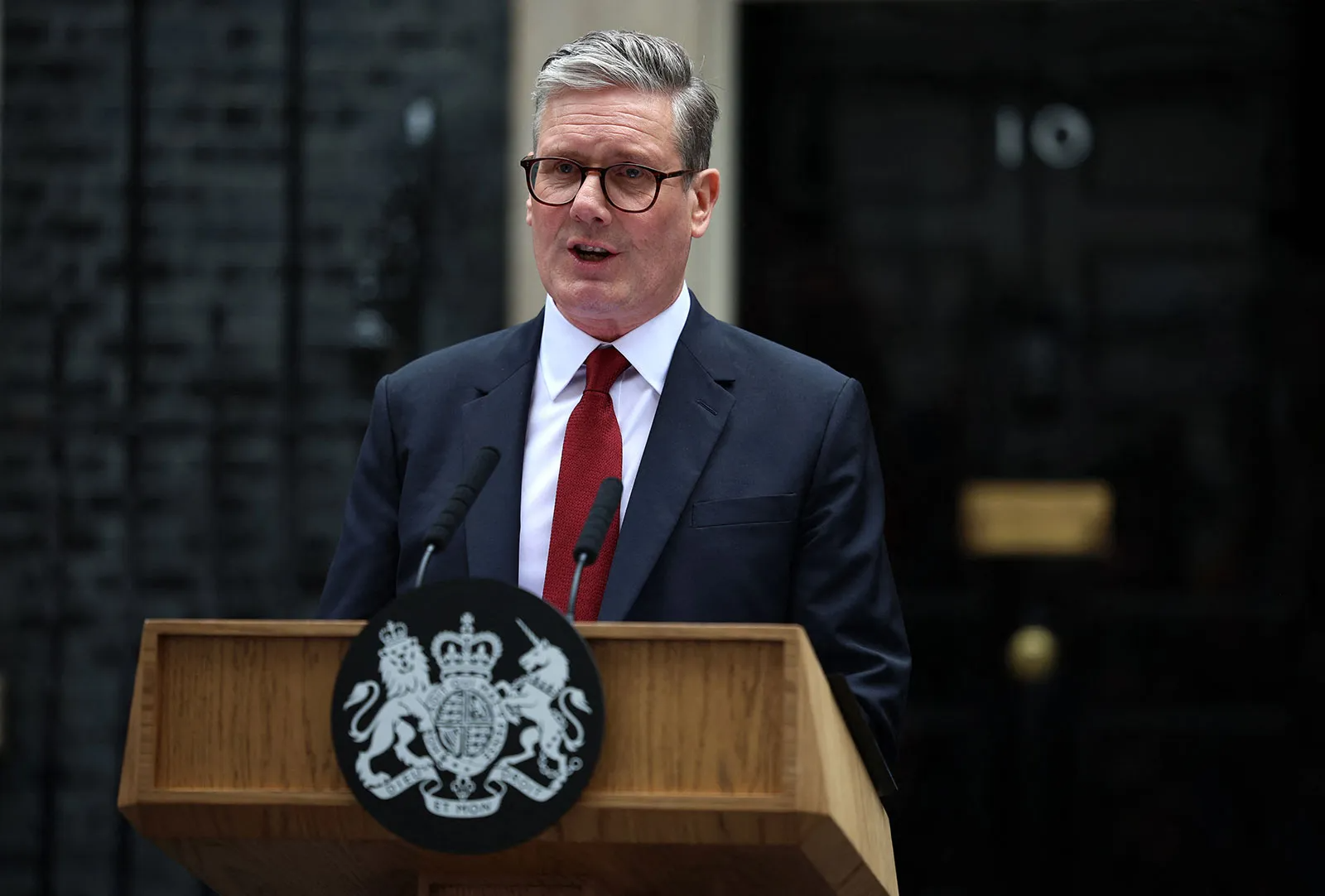
Socialist Prime Minister Keir Starmerhas maintained a neutral position on the issue, stressing the sensitivity of a discussion that divides both the political class and society.
With this vote, Scotland remains aligned with current legislation in the United Kingdom, which prohibits euthanasia. The result also shows that, despite citizen support, ethical, medical and regulatory objections continue to be decisive in the
legislative process. The Socialist Prime Minister of the United Kingdom assured that he maintains his neutral position against this practice, and Scotland continues to abide by that legislation