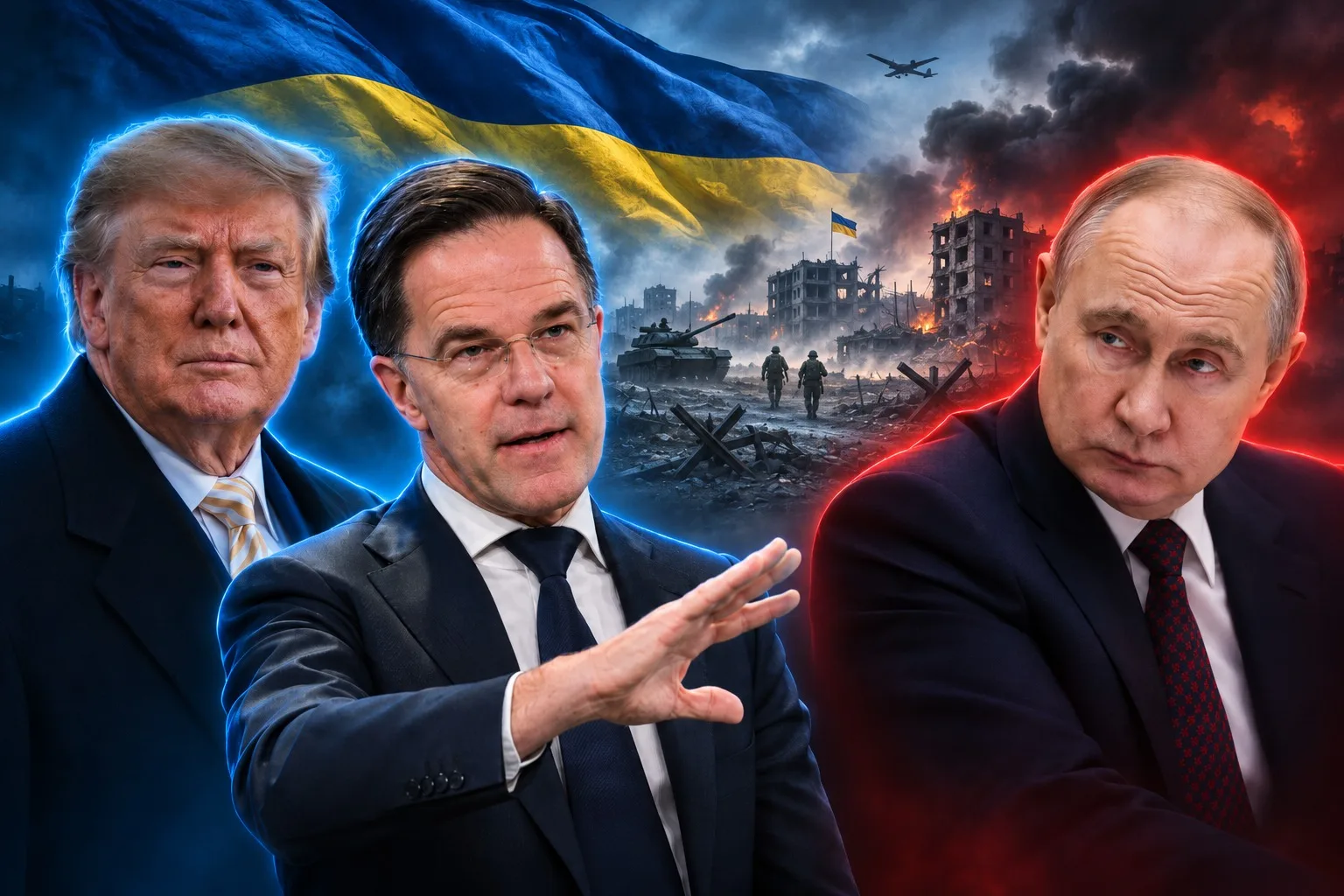

Trump and Rutte urged Russia not to escalate the war in Ukraine and reaffirmed the pursuit of a diplomatic solution

Trump and Rutte urged Russia not to escalate the war in Ukraine and reaffirmed the pursuit of a diplomatic solution

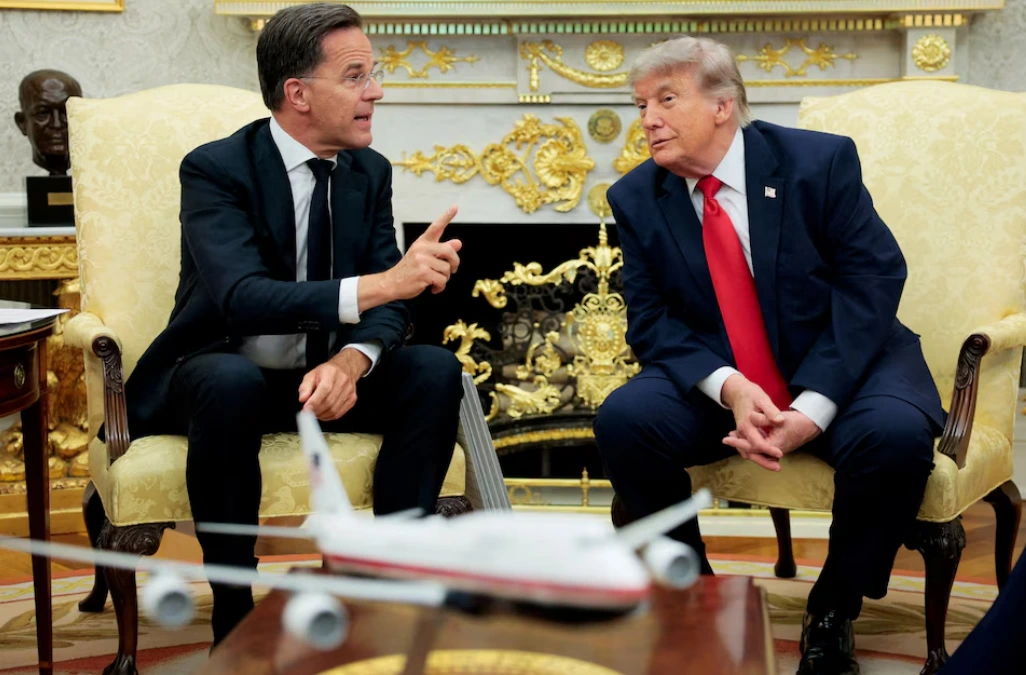
The President of the United States and the Secretary General of NATO held a meeting at Mar-a-Lago, Florida, where they discussed the conflicts in Ukraine and Iran

Share:

The President of the United States, Donald Trump, and the NATO Secretary General, Mark Rutte, reaffirmed their commitment to a diplomatic solution to the war in Ukraine and called on Vladimir Putin's regime to avoid any actions that could escalate the conflict. This stance was outlined in a joint statement released by the White House following a meeting held on Wednesday at Mar-a-Lago, Florida.

The meeting, described as "exceptional" and "very important" by the official statement, allowed for discussions on major international conflicts, with particular attention to the war between Russia and Ukraine and tensions with Iran.

"We also talked about the importance of Russia avoiding any actions that, intentionally or not, escalate the war, and the importance of reaching a peaceful resolution to the conflict as quickly as possible," Trump and Rutte expressed.

The statement once again places the White House at the center of diplomatic efforts to end the war, while the Republican president seeks to explore negotiation possibilities with Moscow without abandoning international pressure on the Kremlin.

Rutte supported Trump's diplomatic strategy towards Putin

The NATO Secretary General defended the contacts initiated by Trump with the Russian president and explained that the goal of these conversations is to determine whether Putin is truly willing to negotiate an end to the war.

In an interview with Fox News, Rutte stated that the U.S. president is testing the Kremlin's intentions and its willingness to engage in a diplomatic process.

"How serious is he? Is he willing to sit at the negotiating table? Is he really willing to engage in talks?" posed the leader of the Atlantic Alliance.

Additionally, he considered that Washington's strategy is yielding results and called for maintaining pressure on Moscow. "I believe it is working, and we must continue," he affirmed.

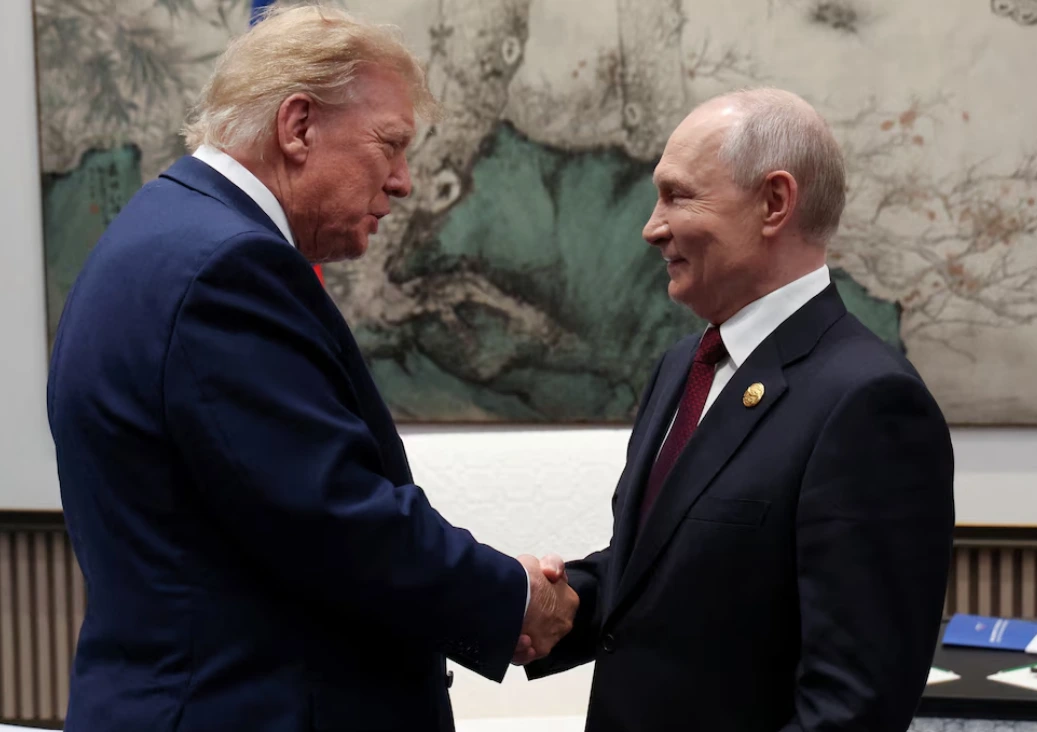
The statements came after the meeting Trump had the previous week with Putin in China. During that meeting, the U.S. president referred to the Russian leader as "my friend" and stated that he believes there is a possibility of ending the war through diplomatic channels.

This stance generated questions from Democratic leaders and some European governments, who called for greater participation in the negotiations to define the future of the conflict.

Trump and NATO seek security guarantees for Ukraine
Trump and NATO seek security guarantees for Ukraine

Rutte also emphasized that any agreement to end the war must include security guarantees for Ukraine, whether a peace treaty is reached or the parties agree to a prolonged ceasefire.

"When the war ends, whether with a peace agreement, which is preferable, or, if that is not possible, with a long-term ceasefire, we must ensure that Ukraine has security guarantees for the future," he stated.

The NATO chief also insisted that Kyiv must continue to receive the necessary military support while talks are ongoing.

"The most important thing is to ensure that Ukraine has what it needs to continue the fight, as successfully as it has so far, and to exert maximum pressure on the Russians," he added.

This position exposes the challenge facing U.S. diplomatic strategy: moving towards an understanding with Moscow without leaving Ukraine unprotected or compromising the security of allied countries.

For his part, Ukrainian President Volodymyr Zelensky once again questioned Trump's statements about Putin. In an interview with CNN, he stated: "For us, he is a murderer."

Trump also demanded greater military commitment from NATO allies

Another central issue of the meeting at Mar-a-Lago was the military spending of the United States and NATO member countries. This issue constitutes one of Trump's main demands to his European partners, whom he calls to take on greater economic responsibility for collective defense.

The U.S. president has been insisting that Alliance members must increase their military investments and reduce their dependence on Washington to ensure their own security.

The meeting also took place amid discussions about the U.S. military presence in Europe. The Pentagon is expected to announce in the coming weeks a review of its forces' deployment on the continent, in a context of differences with several European governments over defense spending, trade tariffs, and support for the offensive against Iran.

The meeting with Rutte allowed for addressing these differences and keeping the dialogue open between Washington and the leadership of the Atlantic Alliance.

The White House seeks a diplomatic solution to the war in Ukraine

The White House seeks a diplomatic solution to the war in Ukraine

The meeting between Trump and Rutte took place while various European governments were calling for participation in the preliminary talks to end the war, in a diplomatic process primarily involving the United States, Ukraine, and Russia.

The Republican administration seeks to maintain its prominence in the negotiations and assess how far Putin is willing to go to reach an understanding.

With their joint statement, Trump and Rutte made it clear that the priority is to avoid a new military escalation and move towards a peaceful resolution, although they emphasized that Ukraine must have security guarantees and that Moscow will remain under pressure.

Thus, U.S. diplomacy once again occupies a central place in one of the most important conflicts for international security, with Trump promoting direct contacts with the parties to try to reach an agreement that ends the war.