The Federal Communications Commission conditionally approved the Starmind project, a constellation that will harness solar energy to power artificial intelligence processing systems
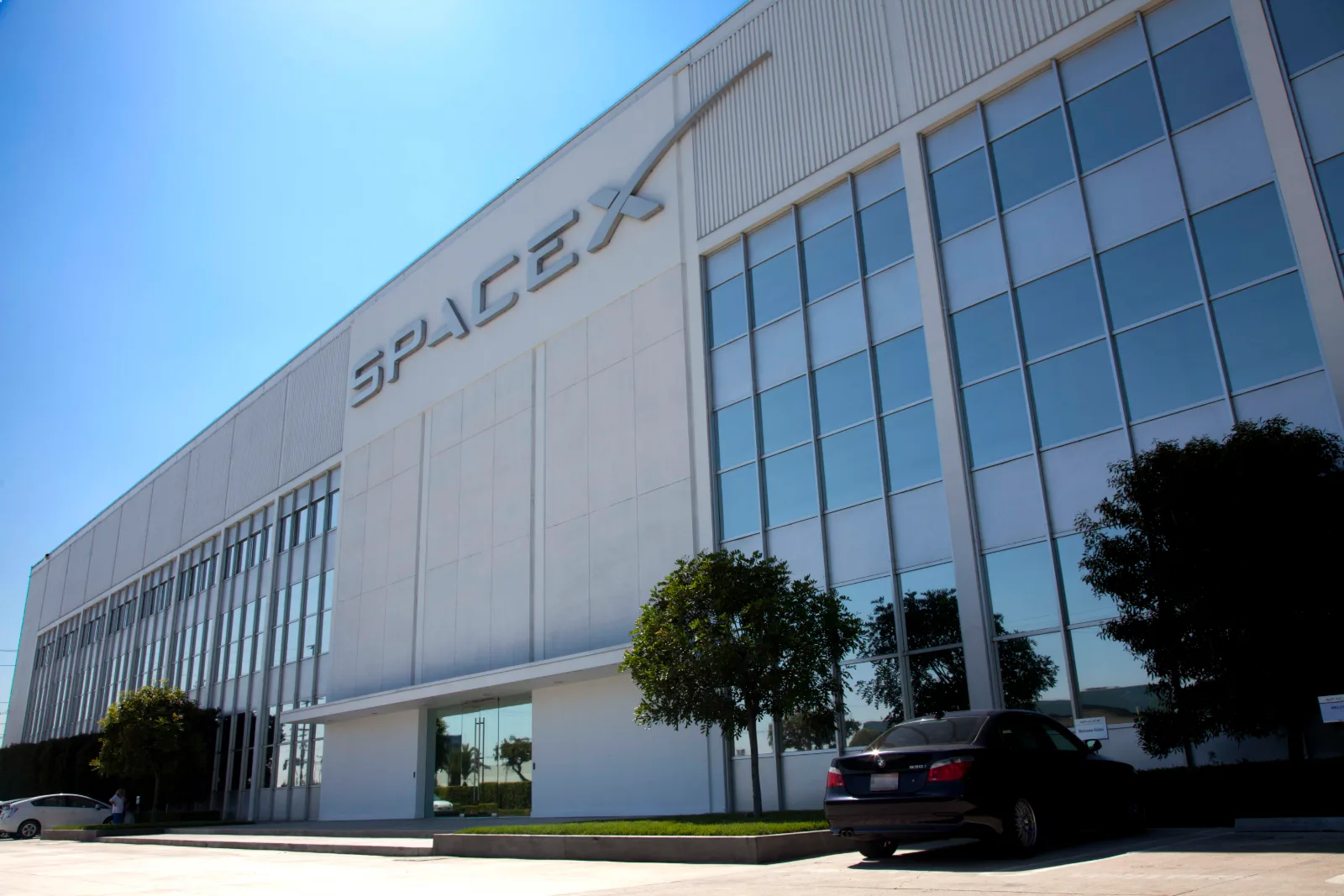
The Federal Communications Commission of the United States authorized SpaceX on Wednesday to deploy up to one million satellites equipped with artificial intelligence chips. This is the first approval granted by the agency for a complete constellation specifically designed to function as data centers in space, under the initiative called Starmind.
The project, driven by Elon Musk's company, aims to capture solar energy in orbit to power artificial intelligence capabilities on Earth. The satellites would transmit data via high-speed lasers connected to the Starlink network. SpaceX plans to manufacture the chips at a future plant called Terafab.
The authorization establishes concrete deadlines: the company must launch at least one satellite by 2033 and reach one million units by 2040. With this approval, SpaceX is ahead in a race that also includes other major tech firms and space companies.
Google has already taken its first steps with the launch last month of an artificial intelligence server satellite as part of its Project Suncatcher. Blue Origin, founded by Jeff Bezos, will handle the first dedicated heavy cargo launch for that project in 2029.
A race for orbital data centers
Several companies are exploring the possibility of installing computing infrastructure off-planet. The interest focuses on harnessing the abundant solar energy available in space and reducing some limitations faced by terrestrial data centers, such as energy consumption and the need for cooling.
In the case of SpaceX, the Starmind proposal combines the experience gained with Starlink and the ambition to scale data processing capacity to unprecedented levels. The company claims that this orbital infrastructure will enhance the artificial intelligence applications running on the Earth's surface.
However, the FCC did not approve all aspects of the request. It postponed SpaceX's request to operate satellites located above 600 kilometers in so-called graveyard orbits, instead of having them re-enter the atmosphere to disintegrate. The agency considered that the company did not provide sufficient information about its plans for the disposal of the devices.
This point is relevant because the number of objects in orbit is steadily increasing, and regulatory authorities seek to ensure that new constellations do not exacerbate the problem of space debris. The decision leaves open the discussion on how the end-of-life management of these large-scale satellites will be handled.
Implications and next steps
The FCC's authorization marks a regulatory milestone by allowing for the first time a massive constellation oriented towards artificial intelligence computing in space. Until now, similar projects were at more experimental or demonstration stages.
SpaceX must meet the deployment milestones set by the agency. The first, scheduled for 2033, will serve as a proof of concept for the technology. The second, in 2040, would involve reaching a scale that is currently hard to imagine, with one million operational units.
Meanwhile, other initiatives are advancing in parallel. Google's launch and Blue Origin's plans confirm that the idea of orbital data centers has ceased to be a theoretical concept and has become a real area of competition among major companies in the tech and space sectors.
The FCC's decision comes in a context of growing interest in artificial intelligence applications and the search for new ways to supply them with energy and processing capacity. Starmind represents, for now, the largest-scale project approved in this field, although its realization will depend on meeting deadlines and pending resolutions regarding the final fate of the satellites.