The agreement provides for audits of the BCV's international accounts, exchange intervention and currency allocation, with binational control.
Nuevo
Agregar La Derecha Diario en
Compartir:
In a context of increasing international vigilance over the financial flows of countries with questioned regimes, the United Statesand Venezuela made headway in hiring independent auditing firms to oversee the use of the South American country's resources abroad. The measure, which seeks to guarantee minimum standards of transparency, was confirmed this Monday, April 27 in Caracas by the Central Bank of Venezuela (BCV
).
As reported by the EFE agency, the objective is to ensure “everyone's peace of mind and impartiality” regarding the destination of the funds, in a control scheme that shows the need for external intervention in the Venezuelan financial administration.
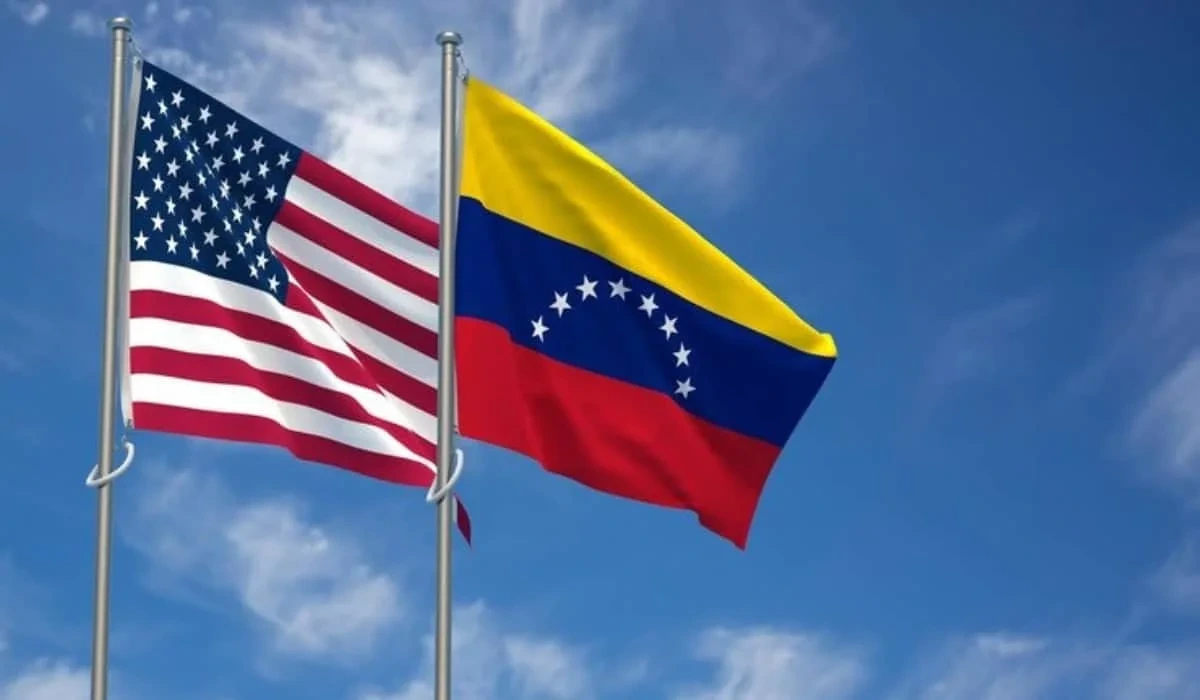
United States and Venezuela
The president of the BCV, Luis Alberto Pérez González, said in an official note that “the fact that the republic's resources are audited by external consultants gives us peace of mind. The country must have full confidence that resources are going where they need to go and getting where they need to go.” The reiteration of the message reflects the agency's urgency to transmit credibility in a system that has been historically questioned
.
According to the official, the decision aims to “ensure transparency and impartiality in the administration of funds”, although the direct involvement of US agencies reveals the lack of international trust in the regime's internal mechanisms.
International oversight and the role of global firms
Unofficially, the Economic Blog portal revealed that the firm selected by the United States would be Deloitte, one of the leading global consulting firms. This company would be responsible for auditing sensitive areas such as:
The management of the BCV's international finances,
Monetary operations,
Foreign
exchange market intervention,
foreign exchange
allocation mechanisms
.
Once the process was completed, Deloitte would submit a report both to Venezuelan Vice President Delcy Rodríguez and to the United States Department of State and the United States Department of the Treasury, thus consolidating a binational oversight scheme.
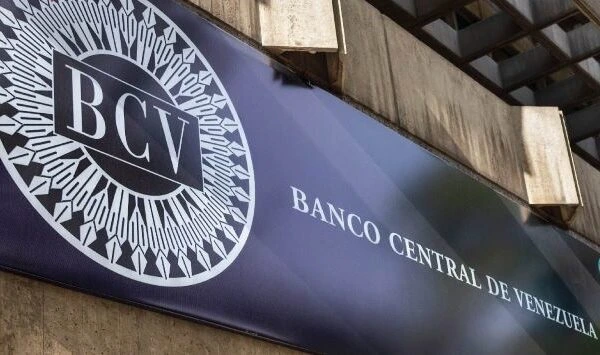
Central Bank of Venezuela
In parallel, Pérez González tried to project an image of economic recovery by stating that the country is going through a new period of exchange rate stability and reduced inflation. During a meeting with the financial sector, he said that Gross Domestic Product grew in the first quarter of 2026, accumulating 20 consecutive quarters
of expansion.
He also indicated that both the official and unofficial exchange rates slowed down, while the gap between the two was reduced to 29%, as a result of a more active intervention by the issuing entity.
The official statement from the BCV highlights the official's key definitions: “We have resumed the publication schedule and it meets the standards of other central banks.”
“We are moving into a phase of price stabilization in which we will reinforce the importance of the national currency in transactions by increasing confidence in it.”
With regard to financial assets abroad, Pérez González reiterated that “the United States Government hired one auditing firm, and the Venezuelan Government hired another, 'to guarantee everyone's peace of mind and impartiality, '” insisting that “the Republic's resources being audited by external consultants gives us peace of mind” and that “the country must have full confidence that resources are passing through where they need to go and getting to where they need to arrive”.
The head of the BCV also said: “We are constantly reviewing our monetary and exchange policy instruments and we will make decisions at the time we deem appropriate,” while highlighting the role of the banking system: “It's time to progressively increase the well-being of citizens.”
However, beyond the official discourse, the need to resort to international audits and, especially, to supervision promoted by the United States, reveals the structural limitations of a strongly questioned economic model, where transparency does not arise internally but under external pressure.