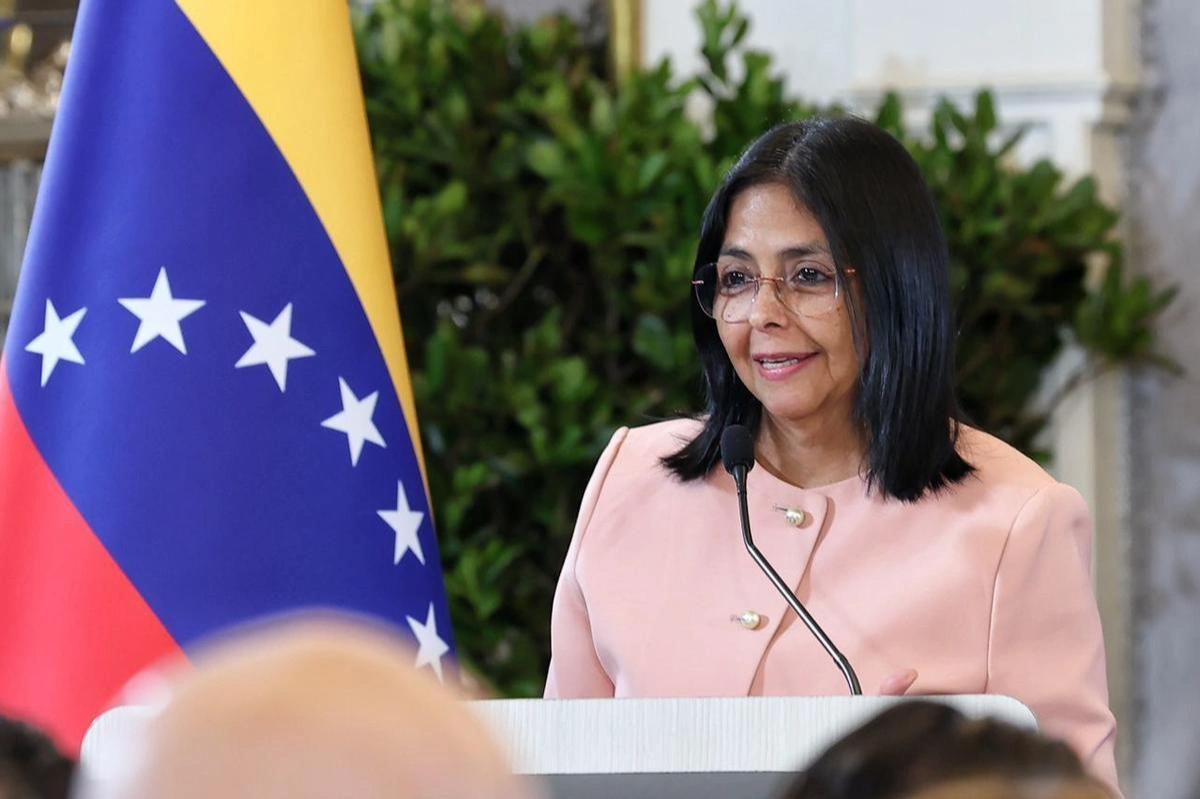
Among the measures taken by Rodríguez, stand out the restructuring of the Armed Forces, the opening of the energy sector to foreign investment and the sanction of an amnesty law that allowed the release of political prisoners. It also made progress in removing historical figures from Chavism and in the dismantling of structures linked to the
Despite these advances, real control over Venezuelan strategic resources remains in the hands of Washington. Oil revenues, for example, are channeled through accounts supervised by the Treasury, and any agreement with international actors such as China, Russia or Iran requires
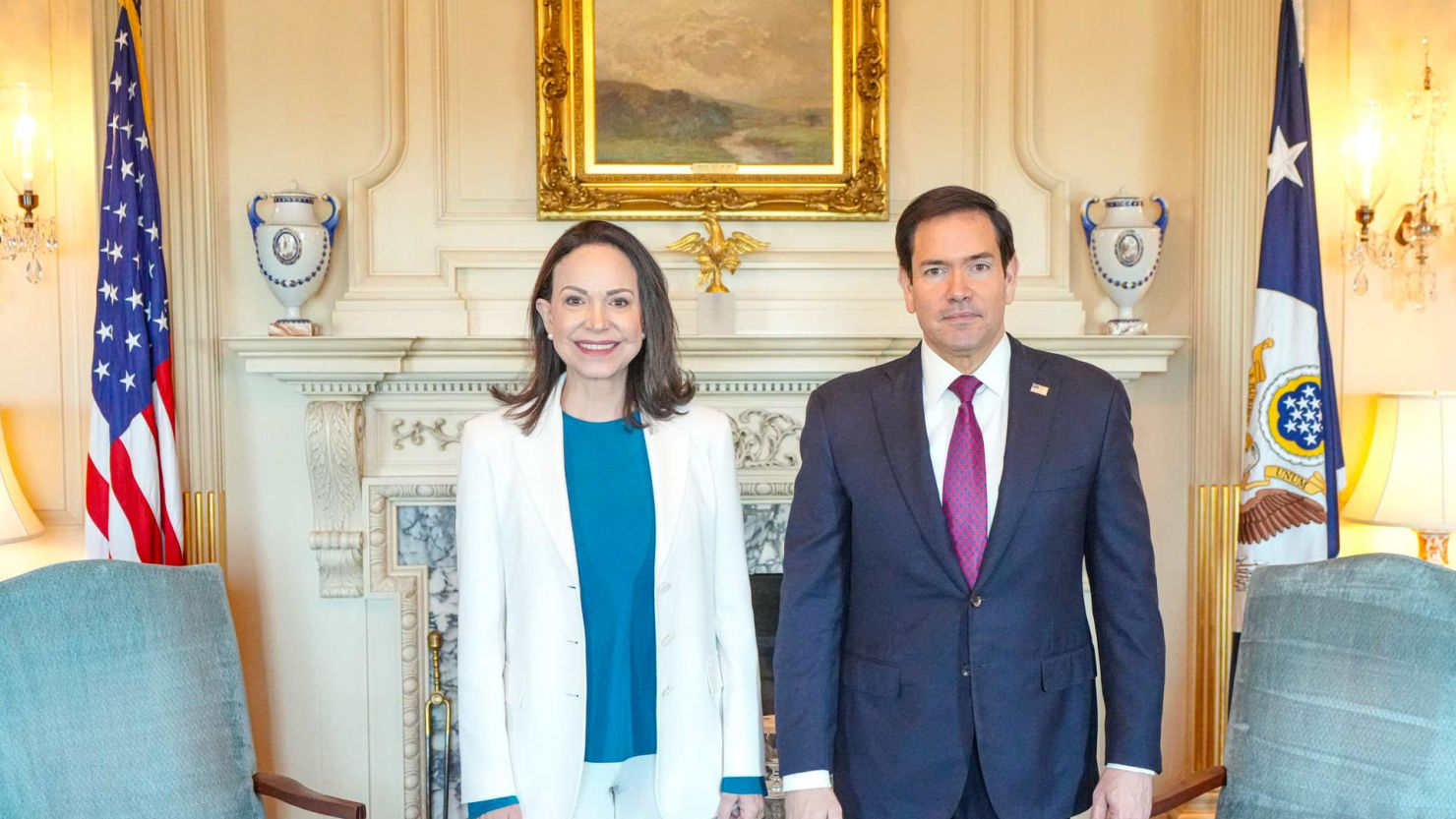
prior approval from the United States. Maria Corina Machado holds meetings with Marco Rubio, Secretary of State of the United States.
In parallel, the reopening of the American embassy in Caracas, after years of diplomatic rupture, consolidated the new geopolitical scenario. However, critical sectors warn that there is still no clear road map towards fully free elections
.
The lifting of sanctions against Rodríguez, within this framework, works as a political signal: Washington recognizes the new interlocutor, but maintains control over the process. The Venezuelan transition is progressing, but under conditions strictly supervised by the United States.
The United States took a decisive step in its strategy on Venezuela by lifting personal sanctions against Delcy Rodríguez, the current interim president after the capture of dictator Nicolás Maduro. The measure, made official by the Department of the Treasury, involves the removal of his name from the list of Specially Designated Nationals, where he had remained since 2018 for corruption and human rights violations
.
The decision is part of the process of institutional reconfiguration promoted by Washington after the forced departure of Maduro in January 2026. In that context, the Donald Trump administration moved forward with a progressive negotiation scheme that combines political pressure with selective relief from sanctions.
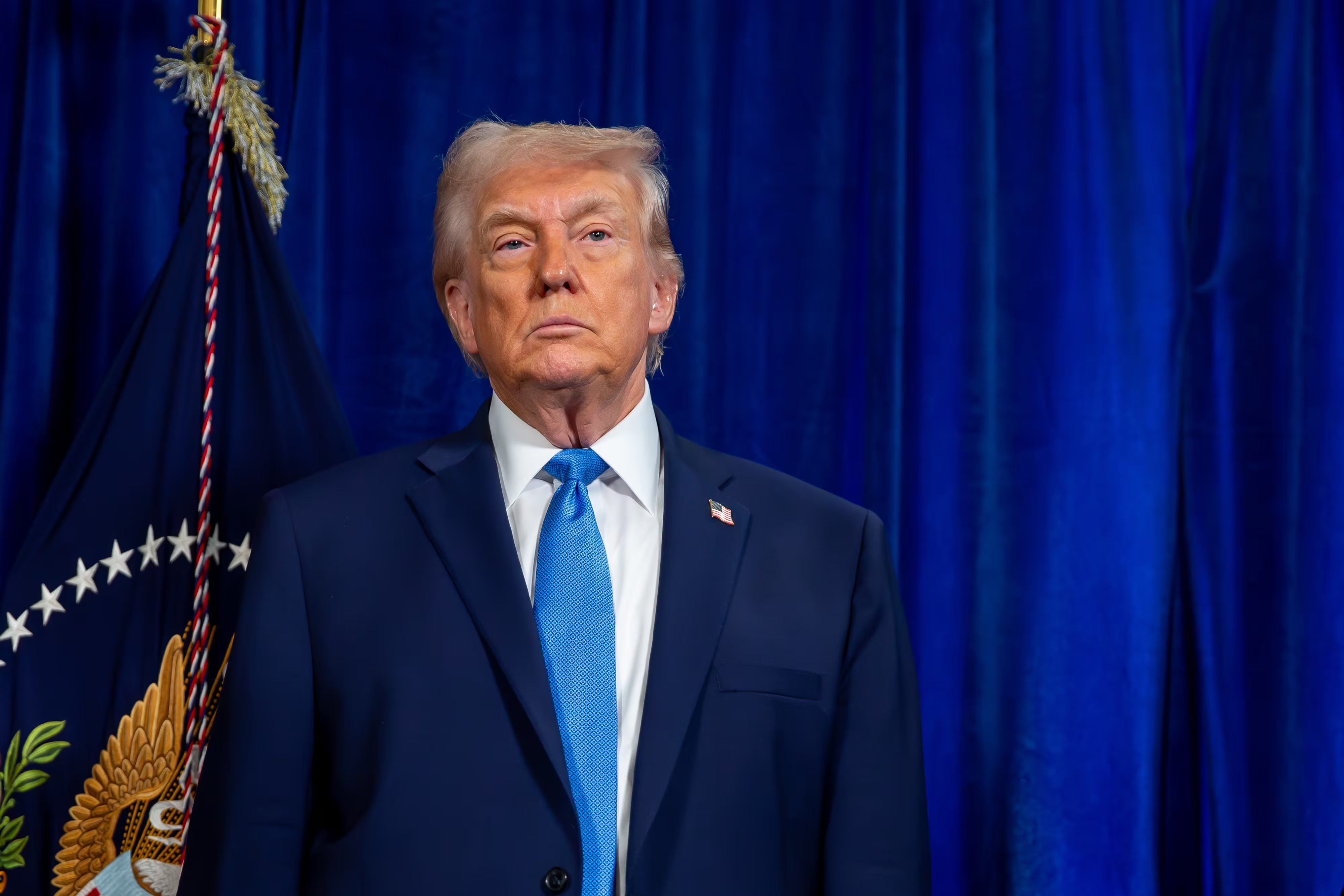
Donald Trumo, President of the United States.
Rodríguez welcomed the measure and defined it as a step towards normalizing bilateral relations. However, the scope of the uprising is limited: it is a matter of personal flexibility, while the general scheme of sanctions against the Venezuelan State and strategic sectors
remains in force.
Since January, the U.S. Treasury issued multiple licenses that partially enabled activity in key sectors such as oil and mining, always under strict supervision. These concessions responded to a transactional logic: each reform promoted by the new Venezuelan government obtained