The series of events that have occurred in recent months has once again brought the structure of global power and the true capacity of Russia or China to challenge the United States back at the center of the international debate.
The capture of former Venezuelan narco-terrorist dictator Nicolás Maduro, the subsequent intervention on the Chavista regime and, more recently, the death of Iranian supreme leader Ali Khamenei, consolidated a sequence of events that demonstrate that the United States remains the only superpower with real capacity to project military and political power on a global scale.
Venezuela
The first high-impact episode occurred in early 2026 in Caracas, when a U.S. military operation succeeded in capturing Maduro and transferring him to U.S. territory to face criminal charges
.
The action was the result of a months-long pressure strategy that included increased economic sanctions and military actions aimed at isolating the Chavista dictatorship.
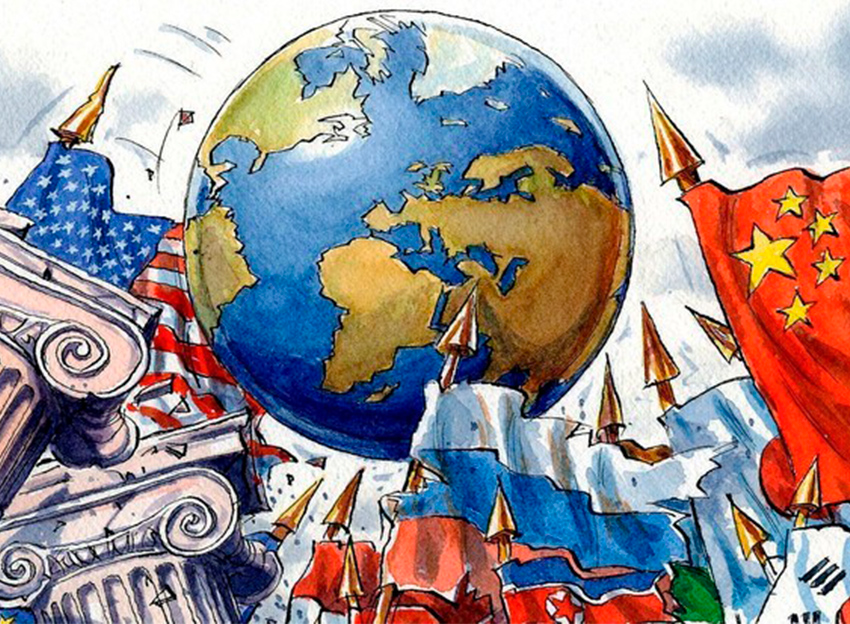
United States, China and Russia.
After the capture of the president, Washington promoted a process of institutional reorganization in Venezuela with the objective of initiating a political transition and rebuilding a country deteriorated by decades of economic and
social crisis.
Middle East
Weeks later, international attention shifted to the Middle East. In a precision military operation carried out in Tehran, coordinated attacks eliminated Khamenei, a central figure in the Iranian political system
for more than three decades.
The supreme leader was the most responsible for the political and military apparatus of the Islamic regime, so his death opened up a scenario of uncertainty in the country.
The geopolitical impact of both events was immediate, not only because of the magnitude of the objectives achieved but also because of the reaction of other global “powers”.
Russia and China
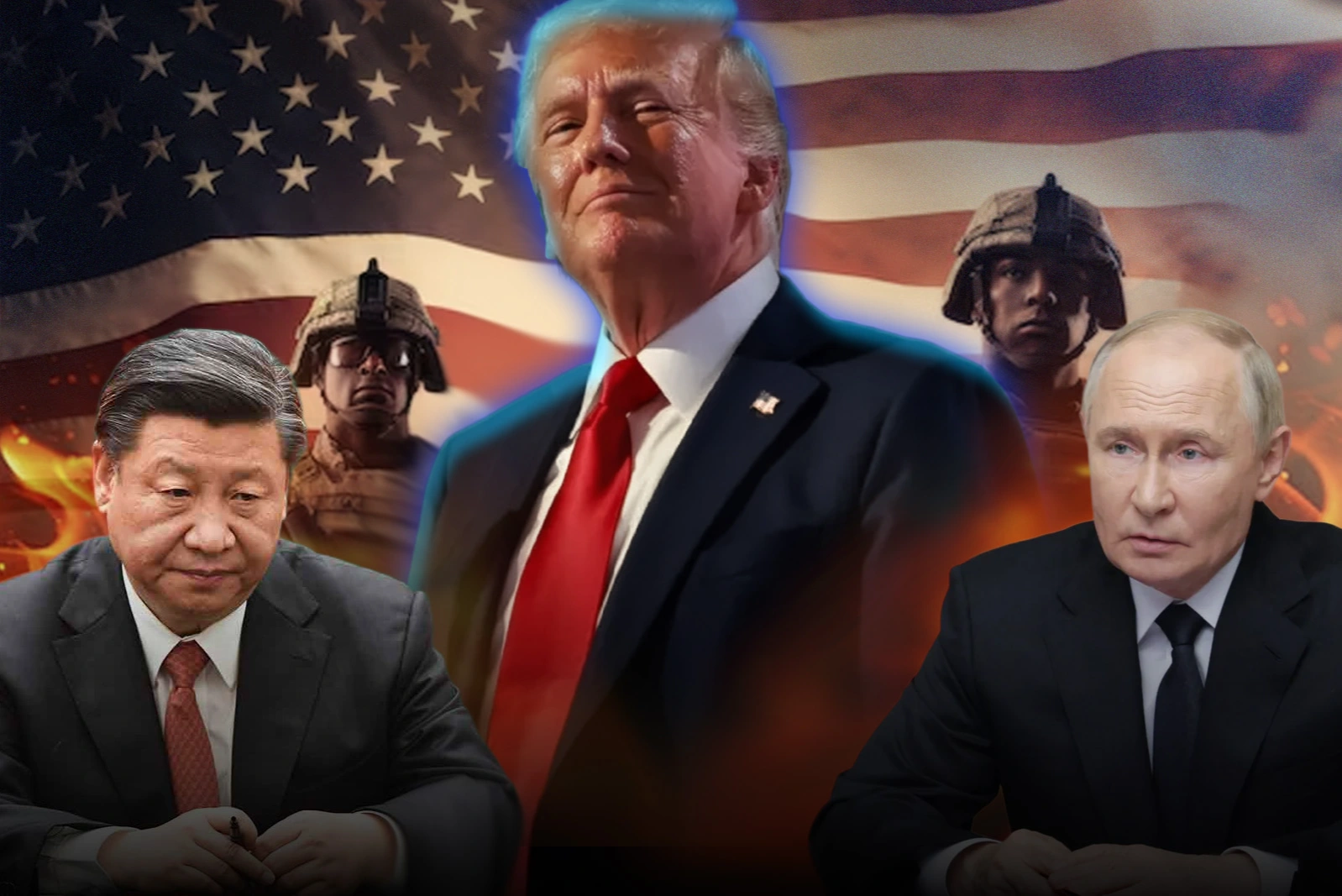
For years, international analysts argued that the international system was moving towards a multipolar structure, with actors such as Vladimir Putin and Xi Jinping able to balance Washington's power. However, recent events showed a different scenario.
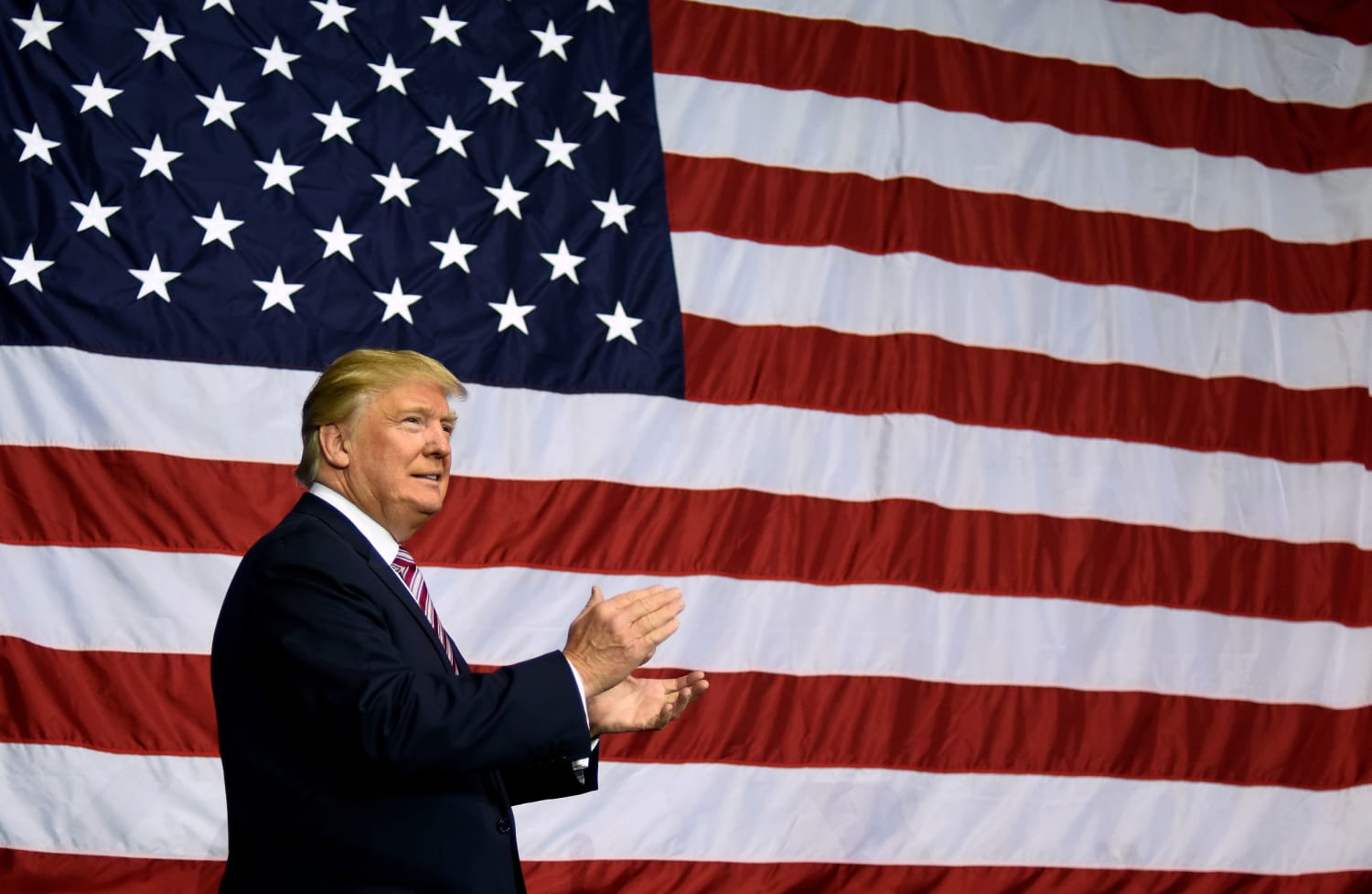
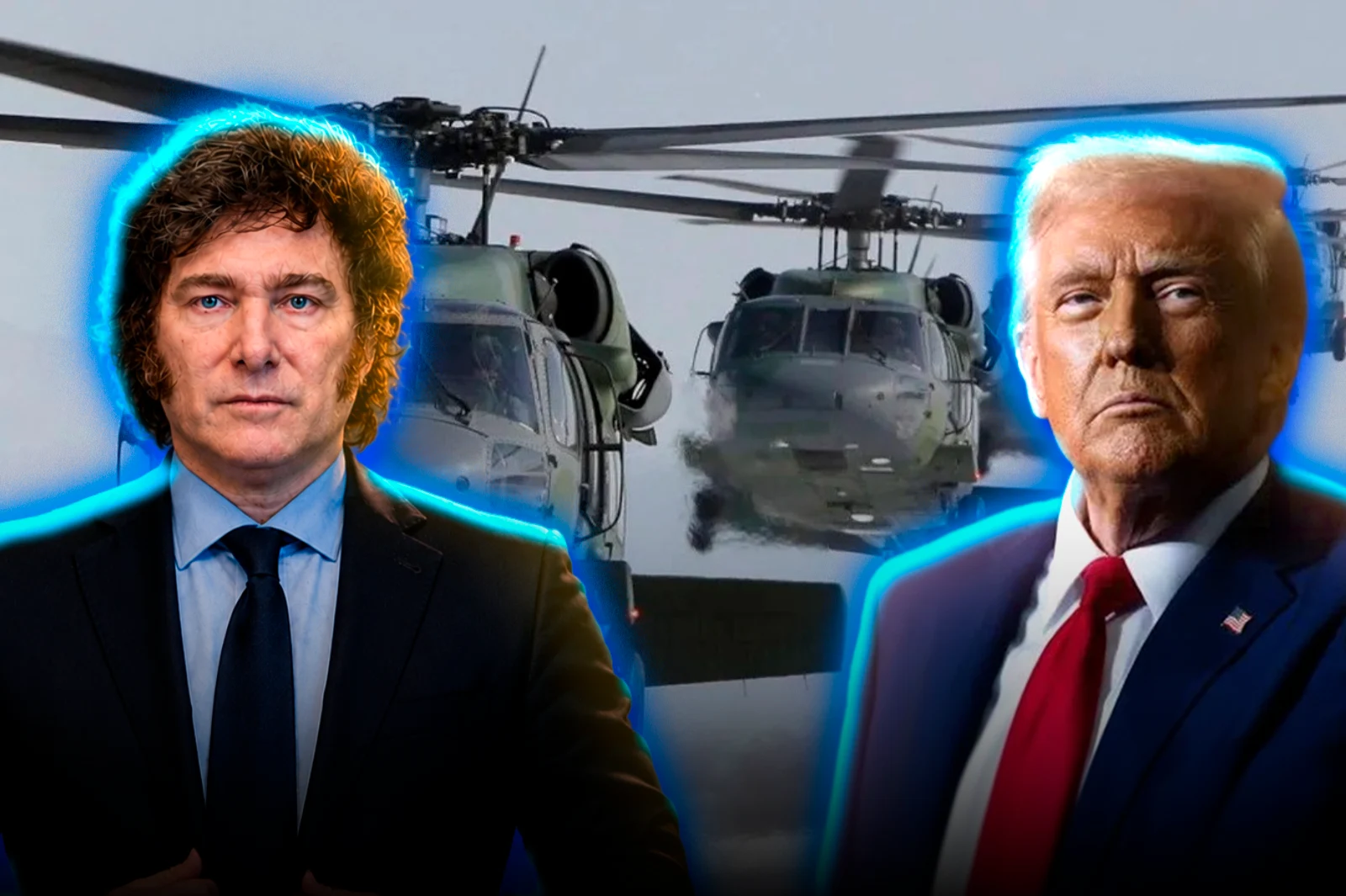
President Donald Trump.
Neither Russia nor China responded with military actions to defend their “ally” Iran after the military offensive and the elimination of Khamenei. The reaction of both powers was limited to diplomatic statements and calls for regional stability
.
The reasons for this caution are given for several reasons. Russia, caught up in the logistical and human wear and tear of its own conflict in Eastern Europe, proved to lack the maneuvering capacity to intervene on a second front of
such magnitude.
This same situation occurred in Syria at the end of 2024, when the regime of Bashar al-Assad, a strong ally of Putin, was overthrown in a rapid rebel offensive without Russia trying anything to prevent it.
China, for its part, maintains a model that is highly dependent on global trade. A direct military confrontation with the United States would entail significant risks to trade routes, financial markets and the stability of its economy
.
In this context, recent events demonstrate a structural reality of the international system: although there are powers with regional influence and significant economic capacity, the United States remains the only country with the military, technological and logistical infrastructure necessary to execute complex operations in different parts of the planet simultaneously.
The interventions in Venezuela and the operation in Iran, carried out in different geopolitical regions and with different strategic objectives, demonstrated this capacity for global projection. These facts confirm that the international system continues to be dominated by a single