However, the geopolitical context adds an even more delicate dimension. The reform comes as the regime seeks to improve its relations with the Trump administration, and sees this law as a way to become a key economic ally in South America





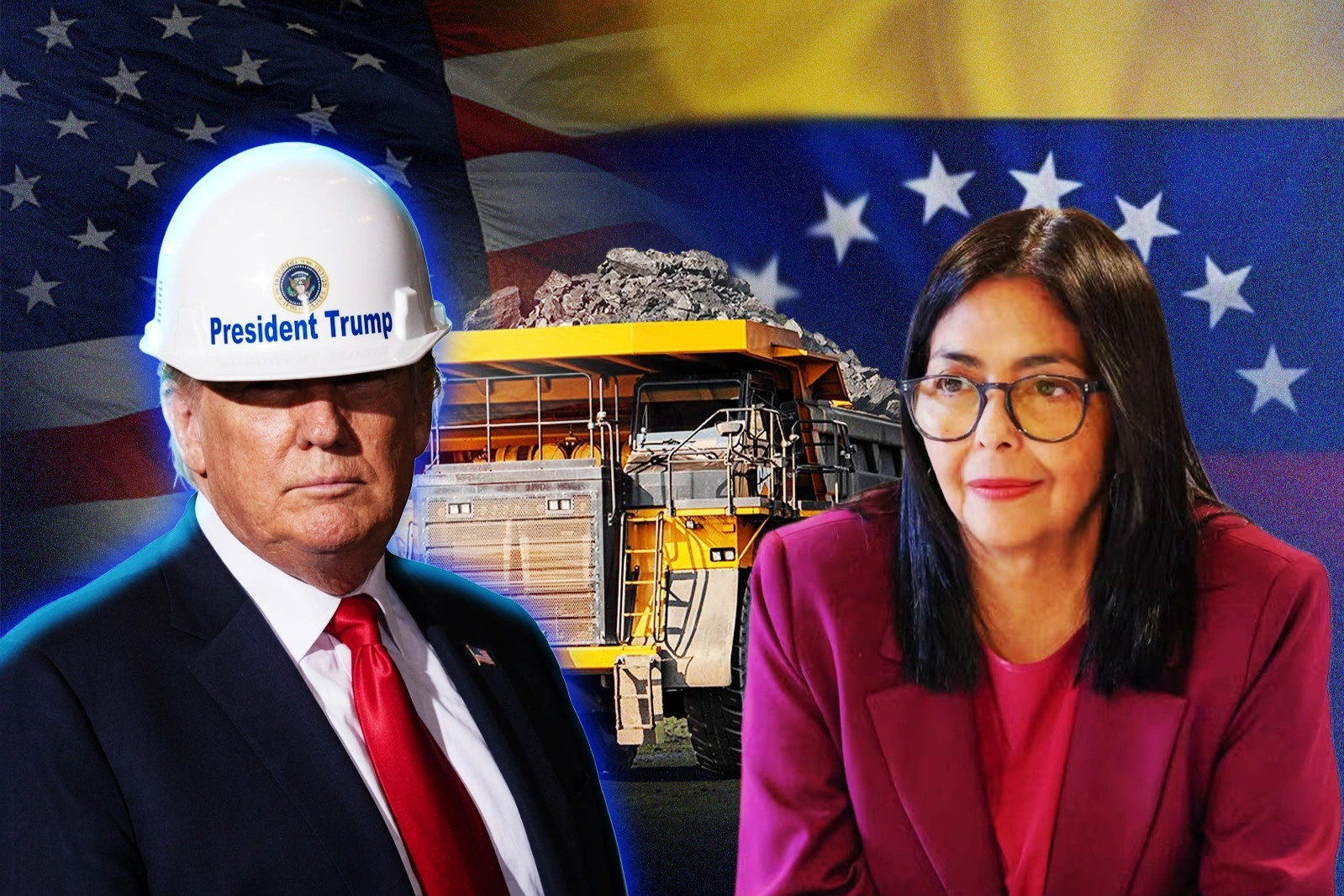

The Venezuelan regime seeks foreign and private investment in search of reactivating the economy.
However, the geopolitical context adds an even more delicate dimension. The reform comes as the regime seeks to improve its relations with the Trump administration, and sees this law as a way to become a key economic ally in South America





In a historic turn, the National Assembly of the Venezuelan dictatorship approved a new mining law that opens the sector to private and foreign investment, mainly from the United States, in an attempt to reactivate a devastated economy and take advantage of its vast natural resources, especially gold.
The regulations, promoted under the interim regime of Delcy Rodríguez, allow the participation of national and international companies in the exploitation of strategic minerals such as gold, diamonds and rare earths. In addition, it extends concessions up to 30 years, with the possibility of extension, and establishes international arbitration mechanisms to provide greater legal certainty
to investors.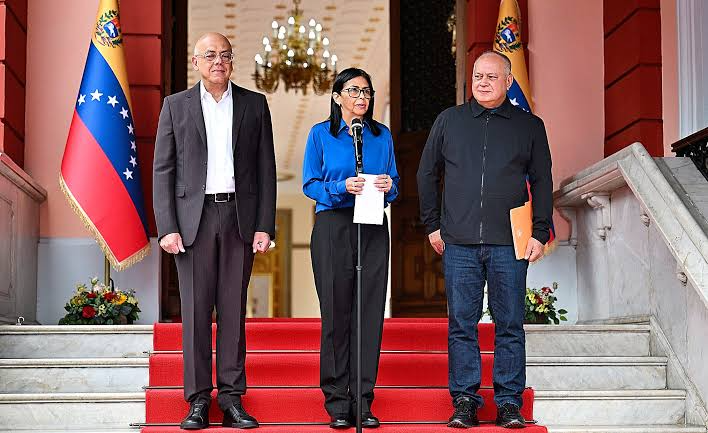
The change represents a break with the previous economic model, characterized by strong state restrictions and a history of nationalizations that had alienated foreign capital. Now, the objective is clear: to attract investment for a sector historically hit by corruption, informality and the control of illegal networks, which for years operated with little effective state oversight
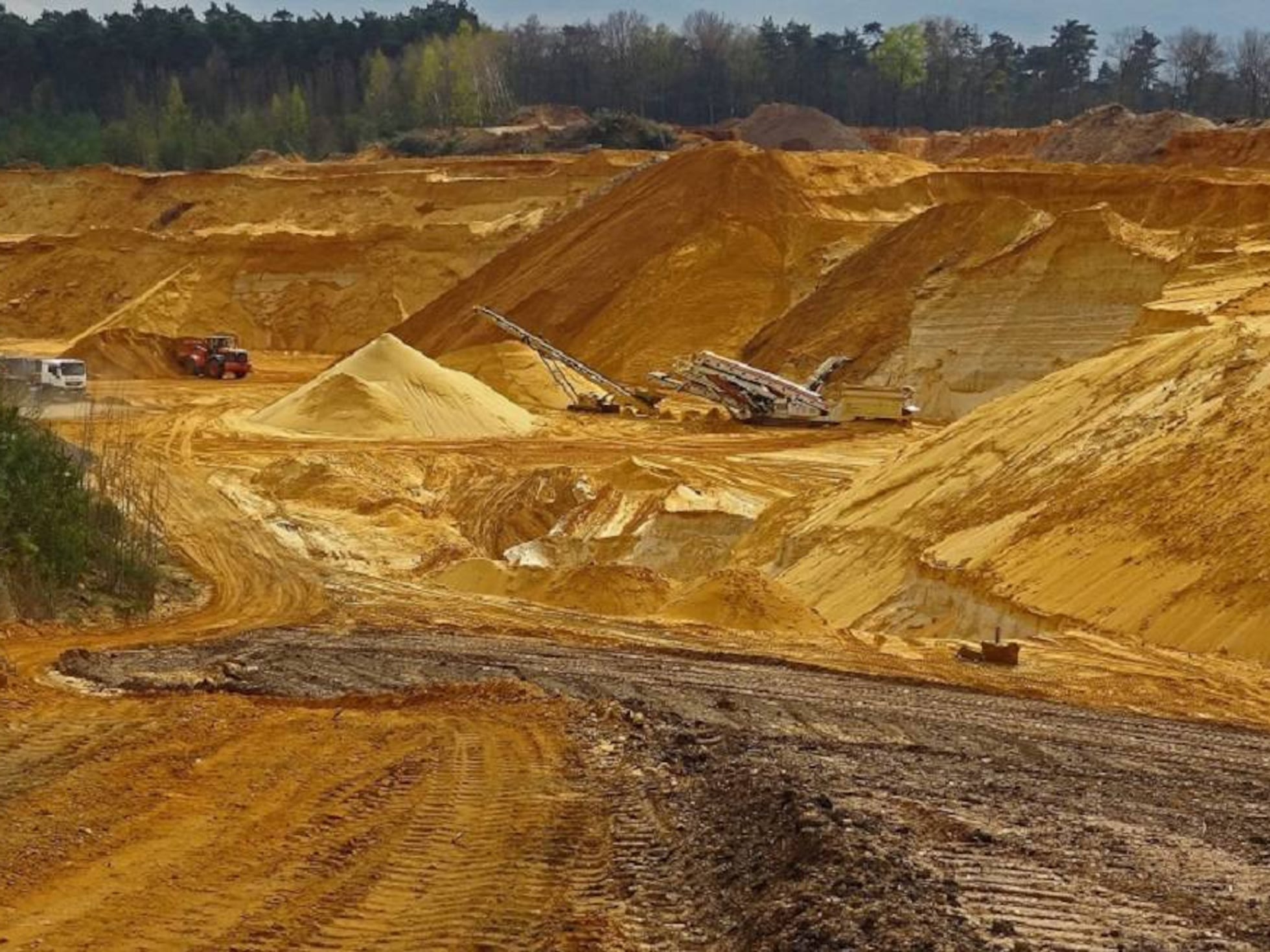
This approach is no minor. After years of confrontation, the new phase of relations between Caracas and Washington is marked by economic agreements and a clear interest in Venezuelan natural resources, considered key to both industry and strategic security
.This is seen as a sign of progress towards a possible transition process. This has been happening since the capture of Maduro, where Delcy Rodriguez became the leader of a “transitional regime”, which will end with the holding of free elections in the near future
.In short, the new law marks a turning point: while the Rodríguez regime seeks to attract investment and reactivate the economy, the country faces the challenge of balancing growth, sovereignty and control of its resources in a scenario of strong international pressure, political uncertainty and persistent global distrust.