This Saturday afternoon, thousands of Mexican citizens gathered to express their opposition to the communist leader due to insecurity and her ties to drug trafficking
Thousands of citizens mobilized this Saturday in downtown Mexico City in a protest that, under the name Generation Z Mexico, brought together sectors dissatisfied with insecurity and with the government of the socialist president Claudia Sheinbaum.
The march started at the Angel of Independence and moved toward the capital's Zócalo, amid critical chants directed at the president and her party Morena.
Although the call was originally presented as a youth movement that emerged on social media, the group was also made up of people of all ages.
La manifestación fue inicialmente convocada por jóvenes y luego se sumó gente de todas las edades
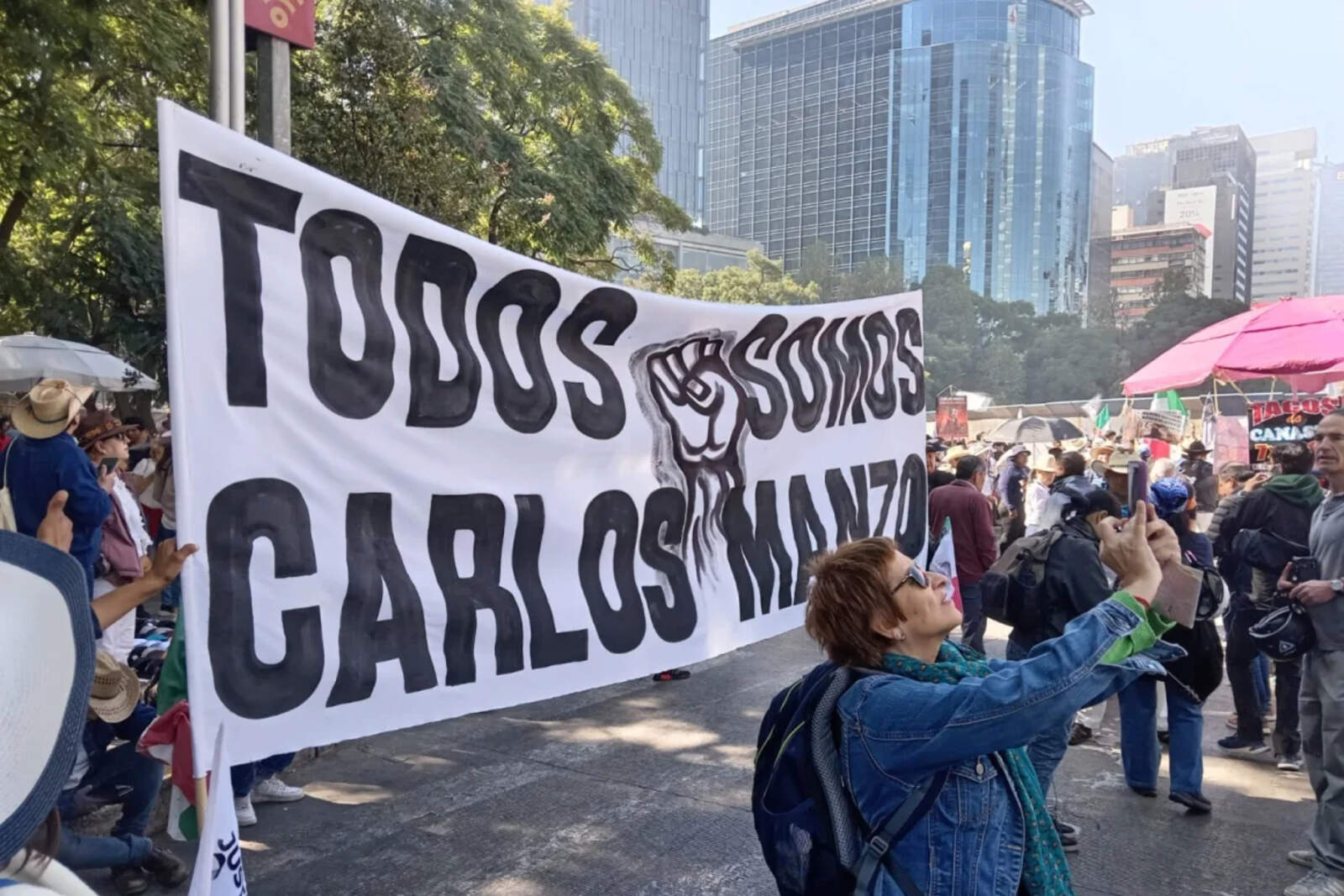
Many demonstrators wore white clothing and hats in memory of Uruapan's mayor, Carlos Manzo, who was murdered on November 1, whose image became a symbol of the protest even though his family distanced themselves from the political use of his figure.
The demonstrators chanted slogans such as "Long live Carlos Manzo!", "Claudia out!", and "Morena out!", reflecting strong discontent with the federal government. Among the participants, there were also direct criticisms of the handling of security and accusations that the administration minimizes or discredits those who question its performance.
The narco-terrorist Sheinbaum had rejected the call days earlier, describing it as a "right-wing demonstration" and warning that behind the mobilization there was a "coordinated digital operation," even with support from abroad.
One of the attendees stated that she attended out of exhaustion with the violence and rejected Sheinbaum's official report: "Claudia is afraid. We're not bots, we're tired people who want a better Mexico."
El asesinato del alcalde de Uruapan, Carlos Manzo, fue una de las consignas de la manifestación
Other participants mentioned their support for figures such as Salvadoran presidentNayib Bukele, while some expressed sympathy for businessmanRicardo Salinas Pliego, who has amplified the mobilizations on social media amid his conflict with the government over a tax debt of 50 billion pesos (110,231,000 USD).
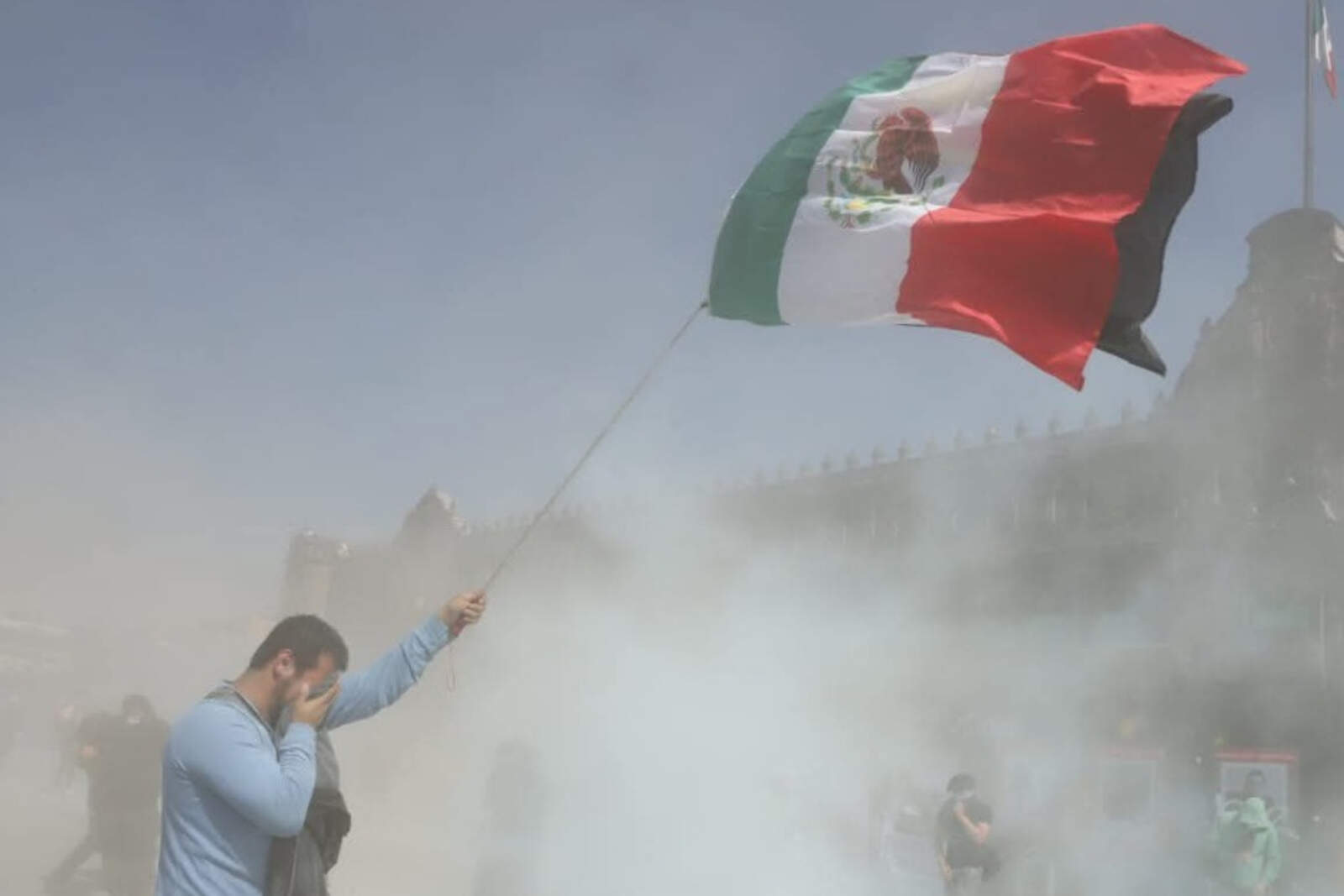
Mexico City's Secretariat of Security deployed about 800 officers who accompanied the march. The route proceeded peacefully until reaching the Zócalo, where the leftist's police began to repress the demonstration.
The police fired tear gas in an attempt to break up the march, which was made up mostly of families, senior citizens, and groups dressed in white who were protesting peacefully in front of the narco-president.
The mobilization was replicated in other states, such as Michoacán, Veracruz, Puebla, Oaxaca, and Nuevo León, as well as in cities in the United States, Canada, and Germany.
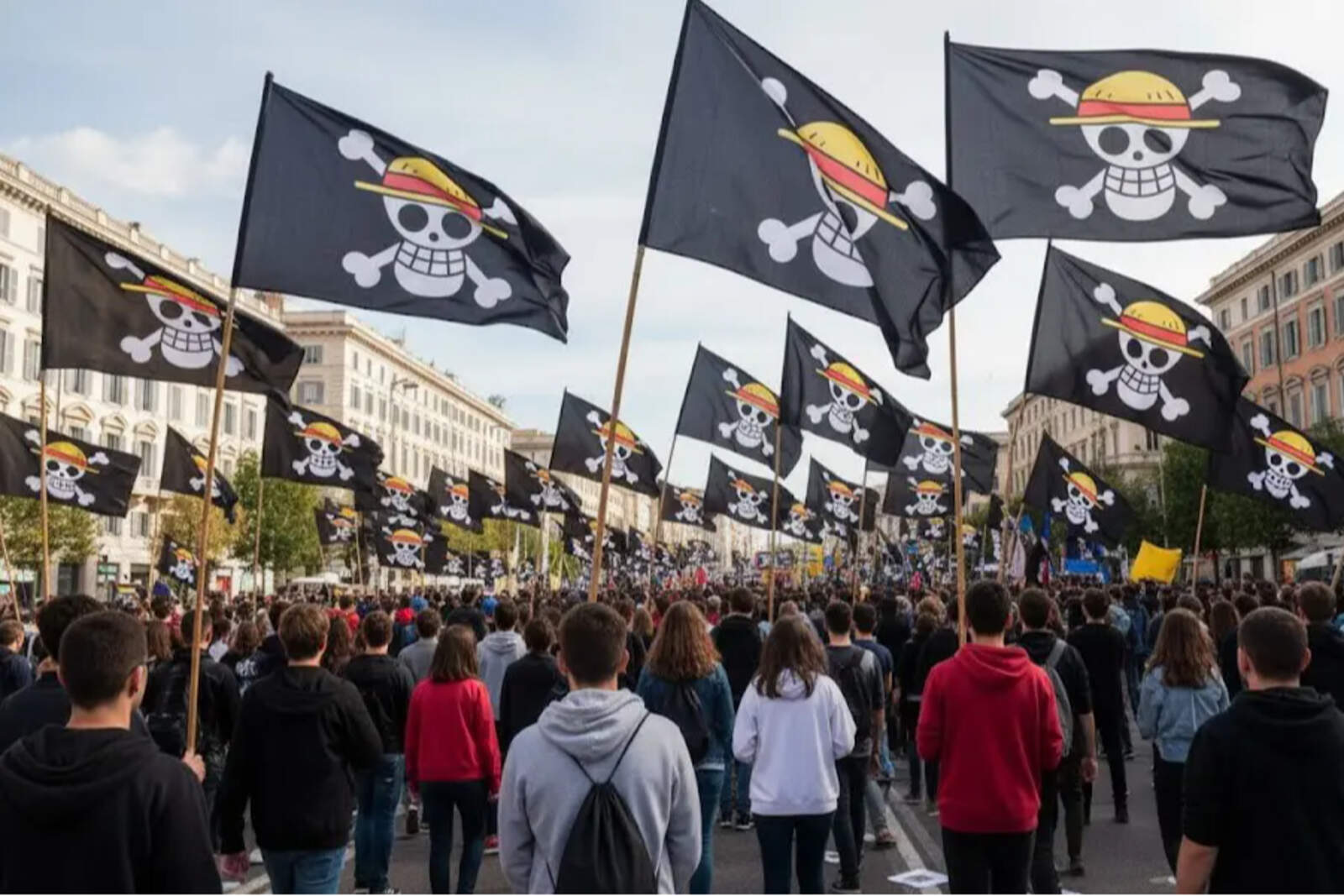
The movement, which began as a spontaneous spread on social media with videos caused by artificial intelligence, memes, and cultural references, quickly evolved into a national protest with a list of demands that includes recall of mandate, judicial reforms, and greater transparency. However, in the digital environment, messages about insecurity, corruption, and widespread discontent with the government predominate.