Only India, Indonesia and China would grow more than Argentina within the G20 in 2026
Compartir:
The International Monetary Fund's projections once again place Argentina at the center of the global economic map. According to the latest World Economic Outlook (WEO), the country will be in 2026 the fourth-fastest-growing economy within the G20, with an estimated GDP expansion of 4%, only behind India, Indonesia, and China.
The report by the multilateral organization forecasts that the global economy will grow by an average of 3.1% in 2026, with dynamics marked by the slowdown of advanced economies and stronger momentum coming from emerging markets. In that context, Argentina appears as one of the most outstanding cases, surpassing not only the global average, but also most developed countries.
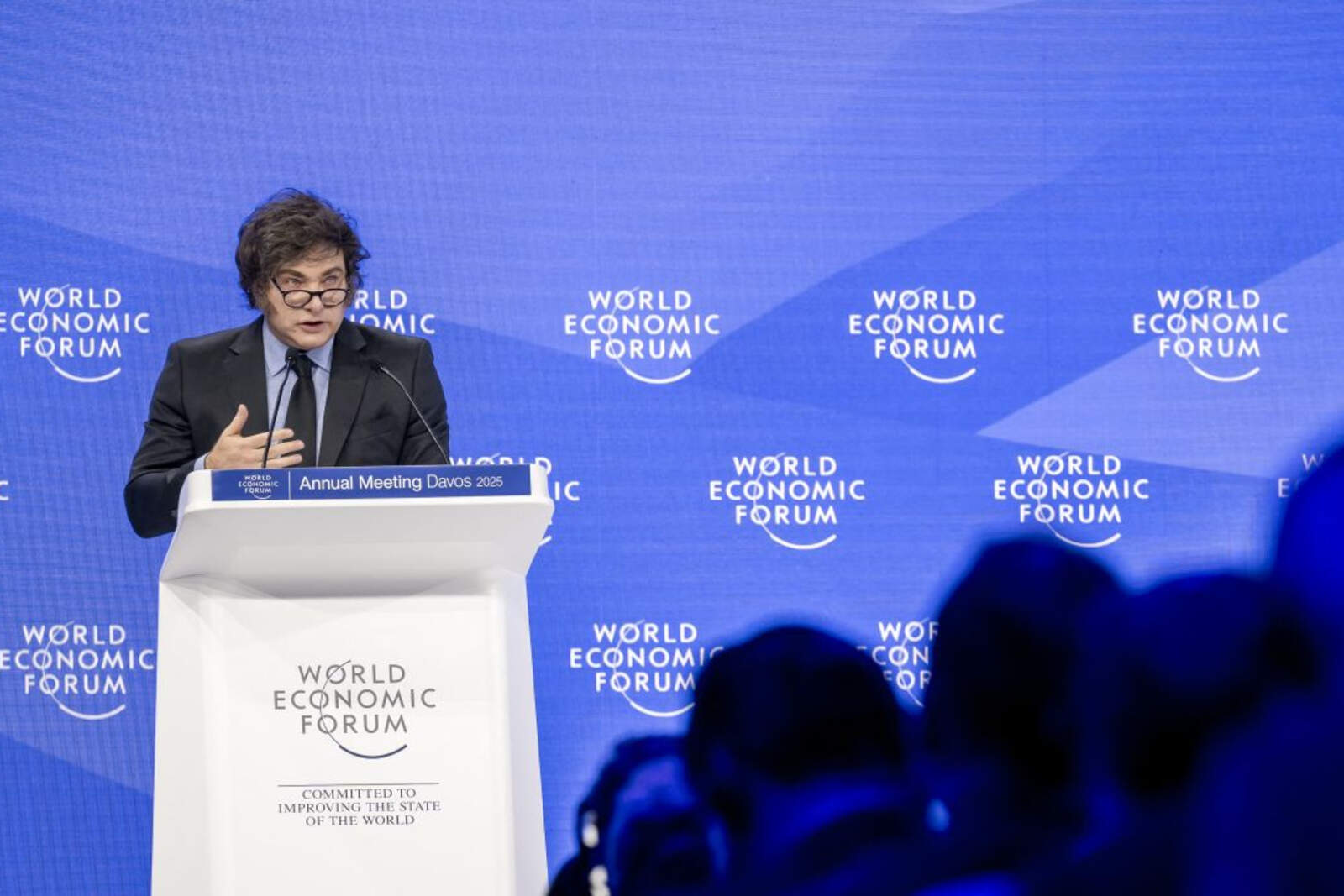
Javier Milei genera impacto en la comunidad internacional.
The G20 growth ranking is led by India, with a projected rate of 6.2%, driven by its domestic demand and structural reforms. Indonesia (4.9%) and China (4.2%) follow, consolidating Asia's weight in global activity. Argentina joins that leading group, in line with Saudi Arabia, and above economies such as the United States, the European Union, Brazil, Canada, or Mexico.
The IMF emphasizes that this better performance by emerging economies is taking place in a more benign international scenario, with lower inflationary pressure and signs of monetary easing after years of rate hikes. Although the organization warns that risks and regional heterogeneities persist, the financial framework projected for 2026 is more favorable for the recovery of activity.
Javier Milei en Vaca Muerta.
In Latin America, the contrast is clear. While Argentina would maintain growth of 4% in both 2026 and 2027,Brazil would slow to 1.6% in 2026, and Mexico would grow by just 1.5% that same year. This way, the country would be among the best-performing in the region and well above its neighbors.
The IMF's projections thus reinforce the shift in expectations regarding the Argentine economy under Javier Milei's administration, in a context where macroeconomic stabilization and the normalization of rules are beginning to be reflected in international indicators. Argentina appears, for the first time in years, on the side of progress.