The early resignation opens a new electoral scenario in Serbia, with parliamentary elections in October and presidential elections before the end of the year
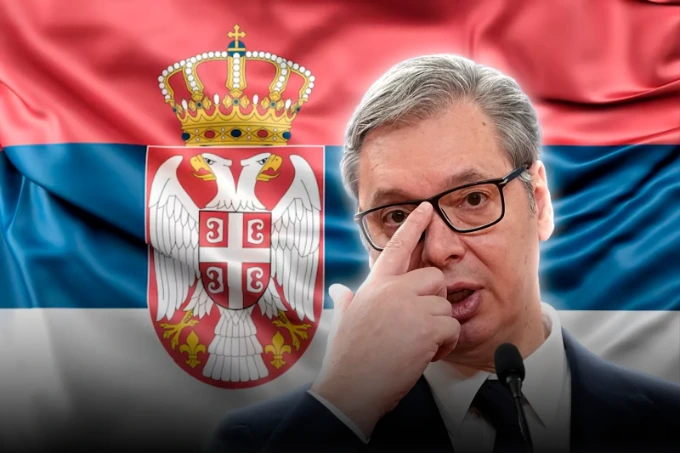
The President of Serbia, Aleksandar Vučić, announced his resignation on Sunday, seven months before the end of his second and final five-year term, a decision that opens the process for early presidential elections and allows him to focus on the parliamentary elections on October 25.
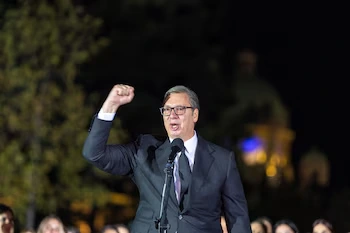
Vučić communicated his decision from the Presidential building in Belgrade, where hundreds of his supporters gathered to back him. "This is my last night in this building," he stated before the crowd before formally presenting his resignation. The leader asserted that he had served Serbia faithfully and expressed pride in what they had achieved during his years in office.
The resignation comes amid the campaign for the early legislative elections called for October 25. Vučić had previously announced that he would leave the Presidency to participate in the electoral contest as a citizen and maintain an active role in national politics. His departure also allows him to aspire to the position of prime minister if the Serbian Progressive Party (SNS), the political force he leads, manages to form the next government.
The President of Serbia, Aleksandar Vučic, resigned from the presidency to focus on the upcoming legislative elections
The Serbian Parliament was dissolved on September 9 and the early elections were officially called for next month. The decision came after months of political tensions and mobilizations led mainly by students, who demanded accountability for the collapse of a structure at the Novi Sad railway station, which occurred in November 2024 and left 16 dead.
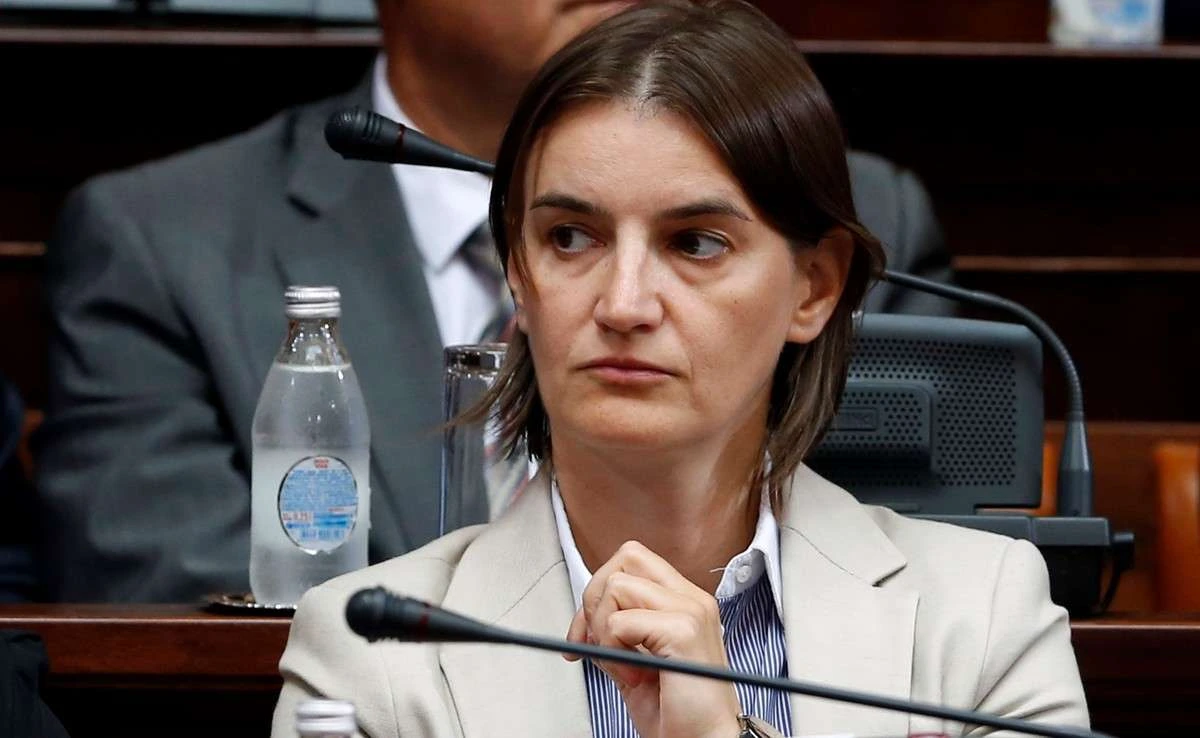
Vučić's resignation also activates the process to elect a new president. According to the Serbian Constitution, the President of the National Assembly, Ana Brnabić, will temporarily assume the functions of head of state. The presidential election must be completed within 90 days following Vučić's departure, meaning the first round must take place before the end of December.
The electoral scenario presents a competition between the SNS and its allies and two main opposition blocs. One is "Students Win," a movement led by students focused on demands against corruption. The other is "European Serbia," an alliance made up of pro-Western opposition parties. These forces and other parties still need to define their candidates for the presidential elections.
The president of the National Assembly assumed the functions of Vučic, while a new president must be elected within the next 90 days
Vučić, 56, has been one of the dominant figures in Serbian politics for over a decade. Before becoming President in 2017, he held the positions of Deputy Prime Minister and Prime Minister. During the 1990s, he was Minister of Information under the government of Slobodan Milošević, before later taking on more significant roles within the SNS.
Although the Serbian Presidency has different powers than the government, Vučić maintained a strong political influence during his years as head of state and previously as prime minister. In foreign policy, his government has sought to maintain simultaneous relations with different powers.
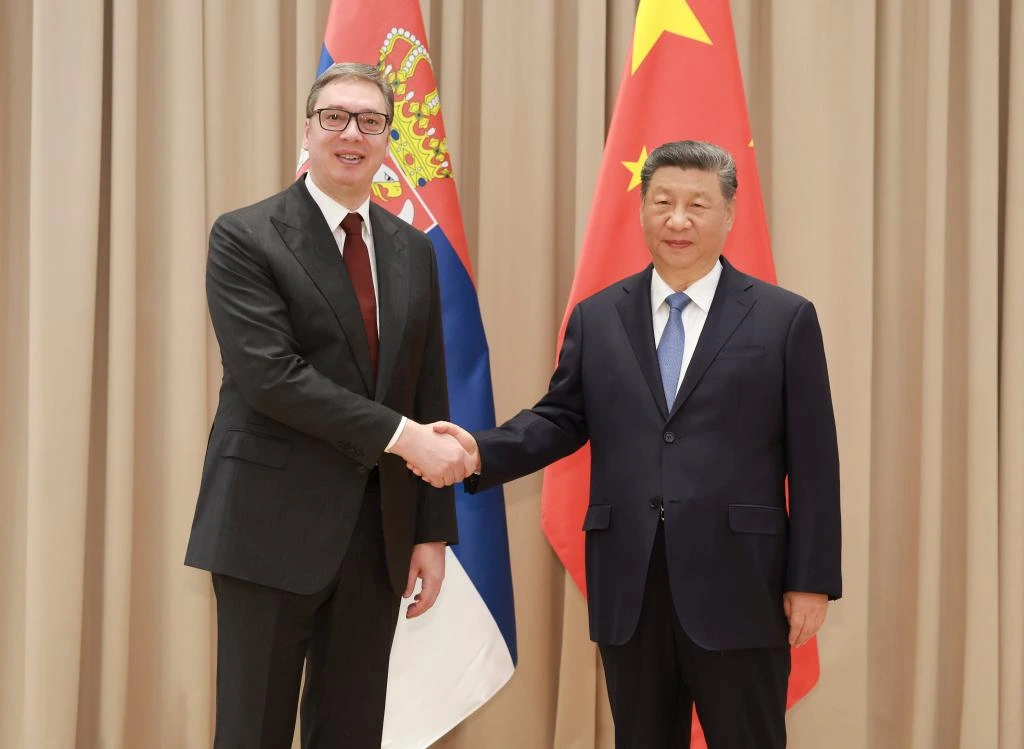
Serbia has deepened its economic ties with China, keeps Russia as one of its main gas suppliers, and continues to consider integration into the European Union as a strategic goal. At the same time, Belgrade has sought to strengthen its relations with the United States and Israel.
During Vučic's government, Serbia deepened its relations with China and maintains its goal of getting closer to the United States and Israel
The political crisis that preceded the electoral call intensified after the Novi Sad accident. Student protests demanded transparency in public procurement, accountability for the disaster, measures against corruption, and early elections. Human rights organizations have also accused Vučić and his allies of a rise in authoritarian practices, while Serbian authorities have rejected those accusations.
With his resignation, Vučić formally leaves the Presidency, but remains a central figure in Serbian politics. The parliamentary election on October 25 will determine the composition of the next government and could pave the way for him to become prime minister if his party manages to form a majority. At the same time, Serbia must hold a presidential election before the end of December to determine who will occupy the head of state position.