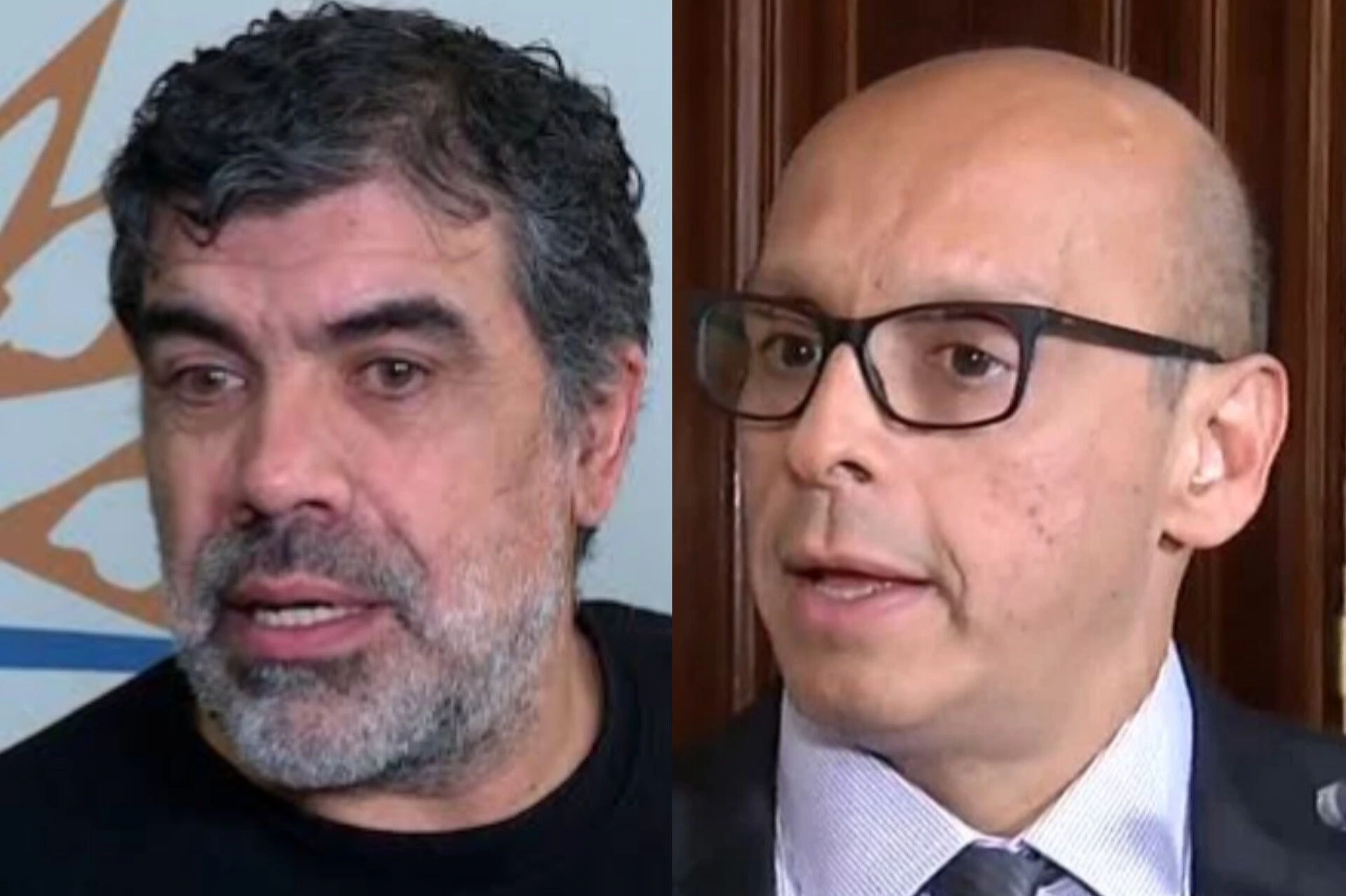
Security specialists warn that Argentina must reinforce controls against possible centers of indoctrination and external financing.
Compartir:
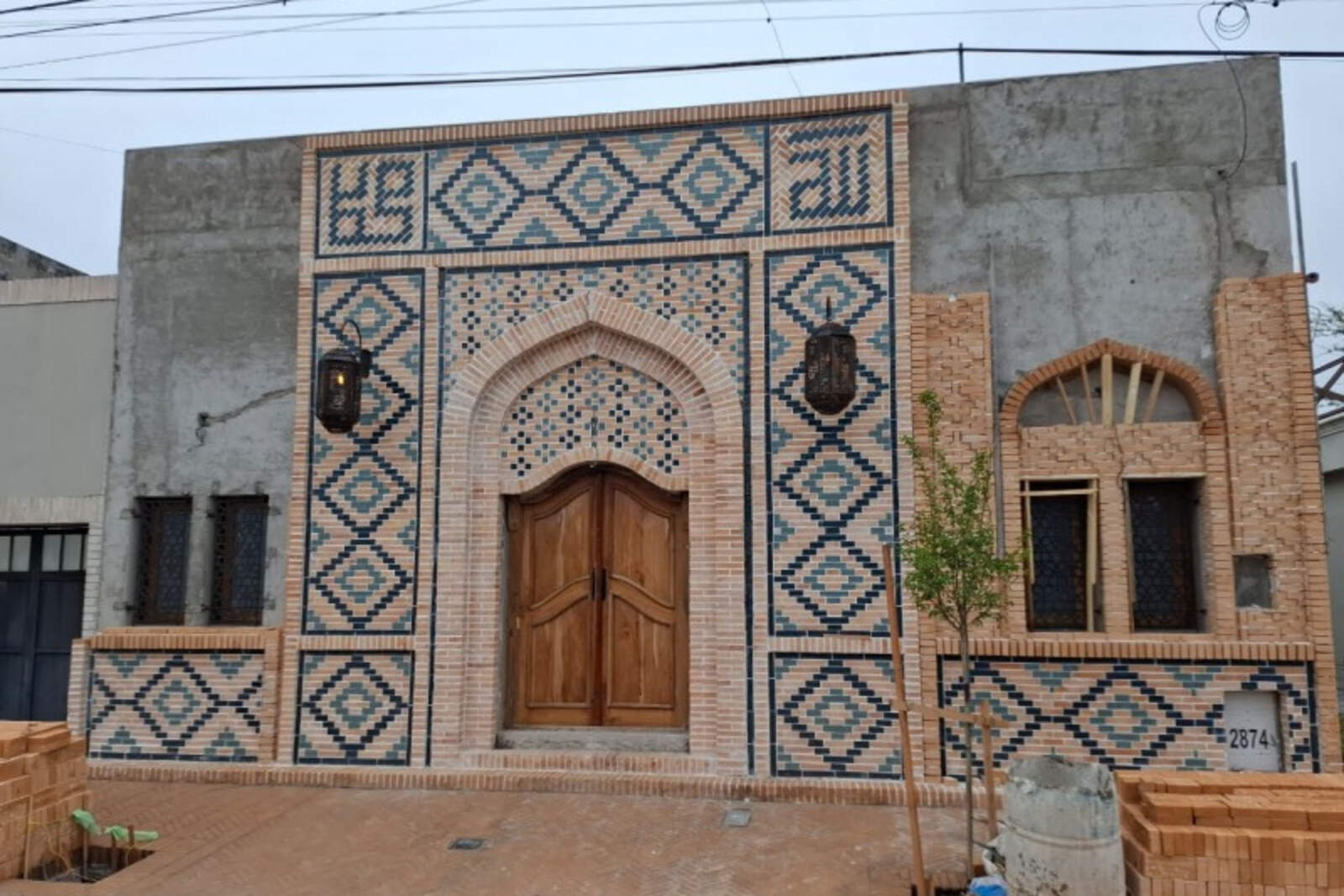
The recent inauguration of the first mosque in Olavarría, led by a Sufi master who arrived from Türkiye, has once again raised concerns about the advance of Islamic religious structures in the country's interior. Although the opening was presented as a gesture of pluralism, security experts and regional analysts warn of risks of radicalization or covert indoctrination.
The event was attended by the leader of the Naqshbandi order, Mawlana Shaykh Muhammad Adil Efendi, who arrived from Istanbul as part of a tour of South America. His visit to Argentina, Brazil, Chile, and other countries is part of a network for the expansion of Islamic branches promoted from abroad.
Mawlana Shaykh Muhammad Adil Efendi
"The idea of building a mosque in Olavarría is old. We Muslims have been here for 16 years, I am a native of this place, and we brought Islam in March 2010. It started on that date in quotation marks because there are people here who are Muslim and are not aware of it," Yasuf, a member of the community, said. In a global context marked by the resurgence of religious essentialism, the arrival of international figures in small communities in the country doesn't go unnoticed.
Analysts on religious issues agreed that freedom of worship can't be confused with a lack of institutional oversight. "Most Muslims in the country practice their faith peacefully, but the State must ensure that no mosque serves as a channel for foreign political or economic influence," they stated.
Argentina keeps diplomatic relations with nations where political Islam has institutional weight—such as Iran or Türkiye—and there have already been troubling precedents. In 2013, reports from the former Intelligence Secretariat (SIDE) mentioned the possible infiltration of agents linked to the Iranian regime in cultural centers in Greater Buenos Aires. The terrorist attack against AMIA remains an open wound that underscores the need for active vigilance against any network with opaque international ties.
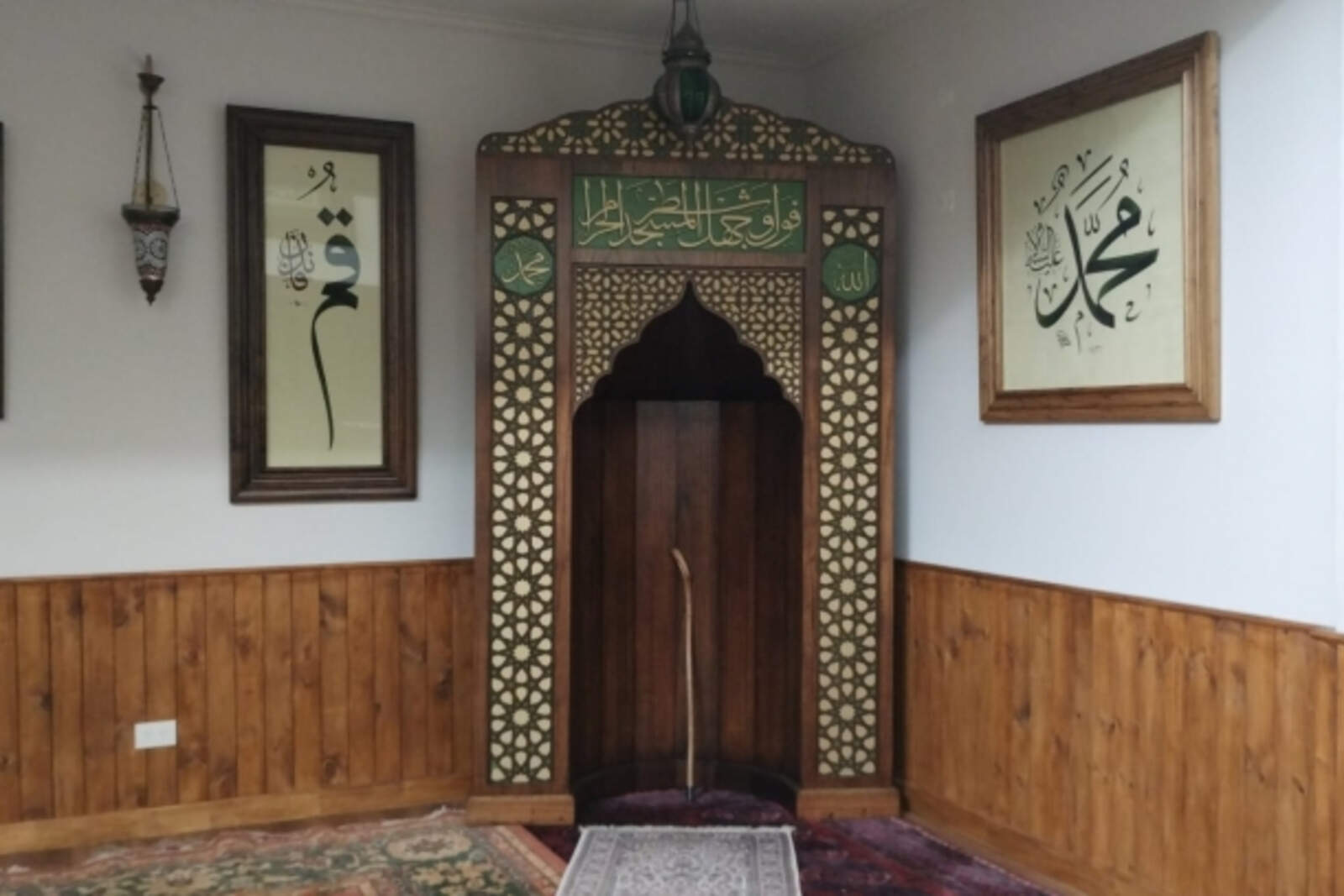
Interior de la mezquita en Olavarría.
In a country where interreligious coexistence is historic, the expansion of mosques and Islamic centers should be accompanied by greater administrative transparency, clear records of funding, and diplomatic oversight. Freedom of worship, experts maintain, is only strengthened when it is ensured that religion is not used as a vehicle for external interests or violence.
In the case of Olavarría, the temple was presented as "a refuge for humanity," but its inauguration, with undeclared funding, raises legitimate questions. Where do the funds come from? What kind of training do its leaders provide?